Germany Travel Guide
Things to Do & Planning Tips & Itinerary
Germany: Know Before You Go
Situated in Central Europe, Germany has a population of around 84 million people and covers approximately 357,600 square kilometers, making it one of the largest and most populous countries in Europe. The official currency is the euro (EUR), and Germany is a member of both the European Union and the Schengen Area.
Germany shares borders with nine countries: Denmark, Poland, the Netherlands, Austria, Switzerland, France, Luxembourg, Belgium, and Czechia, our home country, from where we've visited Germany many times. The country also has access to both the North Sea and the Baltic Sea. The capital city is Berlin.
Most visitors arrive by plane through major international airports such as Frankfurt Airport (FRA), Munich Airport (MUC), and Berlin Brandenburg Airport (BER), while others travel by train, car, bus, or ferry. Because we live so close, we almost always travel to Germany by car.
Germany is best known for its historic castles, medieval towns, dense forests, vibrant cities, and thousands of years of history. It's also famous for its beer culture, Oktoberfest, automotive industry, hearty cuisine, including dishes such as sauerbraten, bratwurst, and schnitzel, and the "Made in Germany" label. Popular destinations include Berlin, Munich, Hamburg, Cologne, Frankfurt, and the scenic Bavarian Alps.
The official language is German, although English is widely spoken, particularly in larger cities and tourist areas. Even though we brush up on our German before every trip, we still end up using English most of the time. Learning a couple of basic phrases like Hallo (hello) and Danke (thank you) is more than enough for most visitors.
Germany uses Central European Time (CET) in winter and Central European Summer Time (CEST) during summer. Electrical outlets are type C and F, with a standard voltage of 230V.
Practical Tips for Visiting Germany
Getting Around the Country
Germany has an excellent transport network, making it easy to travel between cities, towns, and rural areas. The country has an extensive railway system operated primarily by Deutsche Bahn (DB), with high-speed ICE trains connecting major cities such as Berlin, Munich, Hamburg, Frankfurt, and Cologne. Regional trains are also a good option for shorter journeys.
Buses are widely available throughout Germany and are especially useful for reaching smaller towns and villages not served by rail. Long-distance coach companies, such as FlixBus, connect many major cities and offer affordable fares. If possible, however, we prefer trains, as we find them a bit more comfortable.
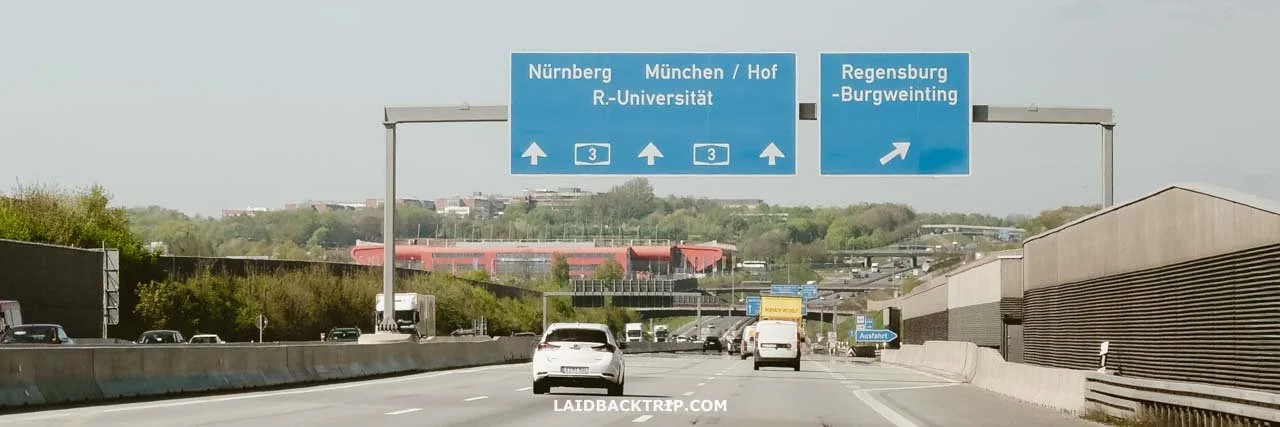
If you want to explore the countryside, small villages, and scenic routes such as the Romantic Road, renting a car is another excellent option. Germany has a well-maintained motorway network (Autobahn), although some sections have no general speed limit, so drivers should always pay attention to road signs and traffic conditions. Since Germany is right on our doorstep, driving is our favorite way to explore the country.
Within cities, public transport is reliable and convenient. Most larger cities have underground trains (U-Bahn), suburban trains (S-Bahn), trams, and buses. Tickets can usually be purchased from machines at stations, through transport apps, or online. Depending on the city and ticket type, remember to validate your ticket before traveling. Cycling is also popular, with many cities offering dedicated bike lanes and bike rental services.
Lastly, organized tours are another good way to explore Germany. Day trips are particularly popular from Berlin, Munich, Frankfurt, and Cologne, making it easy to discover castles, historic towns, and scenic countryside even if you're based in a major city. In larger cities, guided walking tours are also a popular way to learn more about the local history and culture.
From our experience, Germany is very easy to explore independently, but it's good to know that sites like GetYourGuide offer plenty of tour options if you don't want to worry about transportation or planning.
Where to Stay
Germany offers a wide range of accommodation options for every type of traveler. In larger cities, you'll find everything from budget hostels and mid-range chain hotels to boutique properties and luxury hotels. We usually prefer staying in centrally located hotels, though we occasionally choose accommodation on the outskirts, especially since most German cities have excellent public transport and often offer easier parking.
As we typically travel by car, accommodation rates are another factor we consider. Hotels closer to the city center are usually more expensive and parking can be limited, so staying a little farther out often provides better value. If you're traveling by train, most major cities have plenty of hotels within walking distance of the main train station.
You can search for accommodation in Germany using the search box below.
Outside the cities, family-run guesthouses (Gasthaus or Pension), motels and small hotels are often a great choice, particularly in towns and rural areas. We enjoy staying in these places because they usually offer good value for money, a more local atmosphere, and convenient parking. Germany also has a well-developed network of campgrounds in popular outdoor destinations, making camping a great option for summer travel.
Accommodation prices vary considerably depending on the destination, season, and local events. Major cities can become especially expensive during big concerts, festivals, and major events such as Oktoberfest in Munich. In our experience, booking accommodation well in advance is usually the best approach, particularly if you're traveling during the summer holiday season or around Christmas markets season.
When to Visit Germany
The best time to visit Germany depends on the type of experience you're looking for, but generally speaking, the period between May and September offers the most pleasant weather, longer daylight hours, and the best conditions for outdoor activities. That said, every season has its own advantages and can be a great time to visit.
Spring (March-May): Spring is a great time to explore Germany. Temperatures become comfortable, and sightseeing is more enjoyable than during the busy summer months. April and May strike a good balance between pleasant weather and relatively smaller crowds. This is our favorite time to visit Germany, and that's when we explored Bavaria on a road trip.
Summer (June-August): Summer brings long days, warm temperatures, outdoor events, and ideal conditions for hiking, camping, and exploring Germany's scenic countryside or mountains. It's also the busiest travel season, with the highest accommodation prices, and crowded attractions in popular destinations. For these reasons, we usually avoid visiting Germany during the peak summer months.
Autumn (September-November): September and October are among the best months to visit Germany. The countryside is filled with beautiful autumn colors, temperatures remain comfortable until November, and Munich hosts Oktoberfest, typically from mid-September to early October. We love this season and did several hikes in the Bavarian Alps during autumn.
Winter (December-February): While temperatures can be cold, winter offers a completely different side of Germany. Christmas markets, festive decorations, museums, and traditional seasonal food make December especially appealing.
January and February are generally quieter, making them a good time to visit major cities without the crowds. For example, we visited Dresden during the winter low season and enjoyed a much more relaxed atmosphere and thin crowds. Winter is also ski season in the Bavarian Alps, with conditions typically lasting from mid-winter into early spring.
Currency, ATMs & Payments Methods
The official currency of Germany is the Euro (€). Credit and debit cards, as well as contactless payment methods, are widely accepted in hotels, supermarkets, restaurants, attractions, and larger stores throughout the country. That said, Germany remains a relatively cash-friendly destination, and it's still possible to come across businesses that prefer or only accept cash.
During our travels around Germany, we paid for most things, including accommodation, fuel, parking, attraction tickets, and everyday purchases, using Apple Pay or a credit card. However, there were still a few occasions when cash was the only option, such as at certain parking machines, market stalls, beer stands, or when buying small souvenirs and guidebooks. Because of this, we always carried a small amount of euros with us just in case.
ATMs (der Geldautomat in German), are widely available in cities, airports, railway stations, shopping centers, and town centers. International debit and credit cards are generally accepted, and major banks such as Deutsche Bank, Commerzbank, and Sparkasse operate extensive ATM networks across the country. When withdrawing cash, we always decline dynamic currency conversion (DCC) and choose to be charged in euros to avoid unfavorable exchange rates and additional fees.
Staying Safe
Germany is generally a very safe country for tourists and, in our experience, one of the easiest countries in Europe to travel around independently. Violent crime is rare, and most visits are trouble-free
The main risk for travelers is petty theft, particularly pickpocketing in crowded areas such as major train stations, popular tourist attractions, Christmas markets, festivals, and busy public transport. As always, keep your wallet, phone, and other valuables secure and avoid leaving belongings unattended.
When exploring cities, pay attention to marked bike lanes, as cyclists often move quickly and expect pedestrians to stay clear. If you need transportation, use licensed taxis or reputable ride-sharing services. When using public transport, remember to validate your ticket where required, as ticket inspections are common and fines can be expensive.
Germany's cities are generally safe at night, but it's still wise to take normal precautions. Stay aware of your surroundings in nightlife areas, keep an eye on your drink, avoid poorly lit or isolated streets, and don't overdo it with alcohol. If you're driving, always follow local traffic regulations, as speeding fines and parking enforcement are taken seriously.
In case of an emergency, the nationwide emergency number is 112, which connects you to ambulance, fire, and rescue services. Police can also be reached by dialing 110.
Bavaria Road Trip: Planning & Tips
Bavaria, nicknamed "The Free State," is Germany's largest federal state, located in the southeast of the country. Its capital, Munich, is famous for Oktoberfest, historic architecture, and its lively atmosphere. Bavaria itself is renowned for the Bavarian Alps, fairy-tale castles, medieval towns, amazing beer, hearty cuisine, and rich cultural heritage, making it one of Germany's most popular destinations.
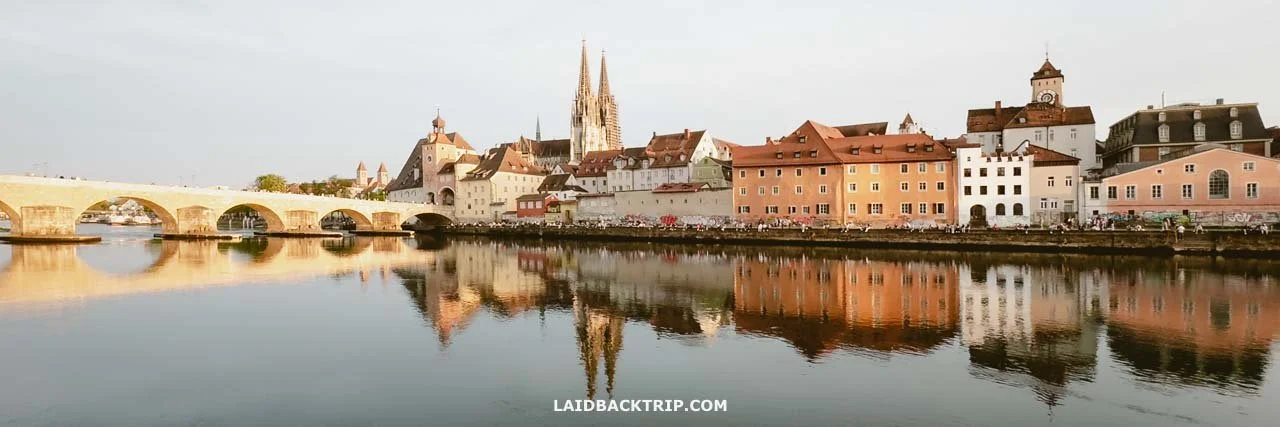
Bavaria Itinerary
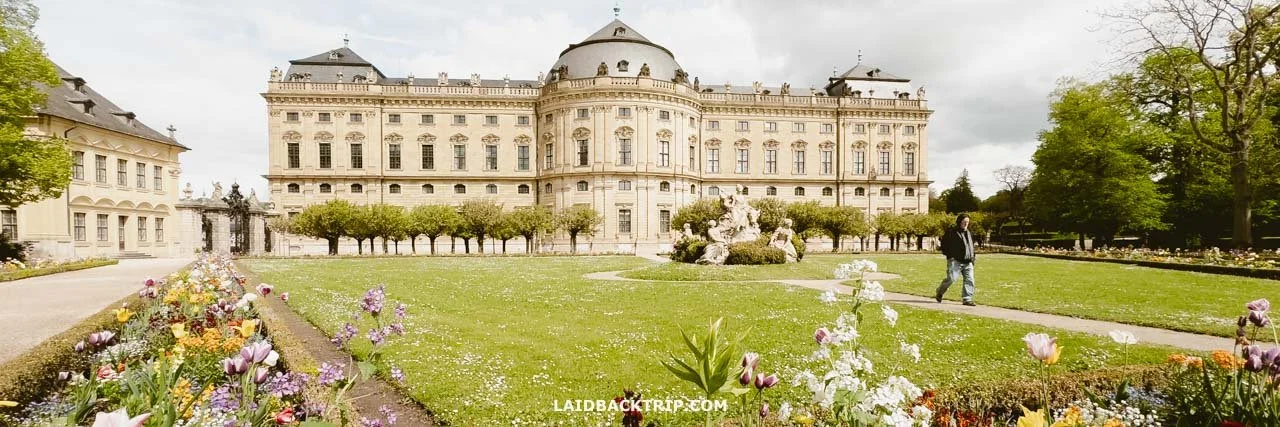
Before we started planning our trip, we weren't sure how many days to spend in Bavaria. At first, we considered a week or 10 days, but quickly realized that wouldn't be enough, so we eventually decided on a 14-day trip. It turned out to be an incredible journey during which we explored not only Munich, but also Neuschwanstein Castle, Rothenburg ob der Tauber, Bamberg, Würzburg, and even LEGOLAND as well as many other amazing places.
Our 2-week Bavaria itinerary covers many of the highlights this incredible German state has to offer, while remaining flexible enough to be adapted into a 7- or 10-day itinerary for travelers with less time. Now, let's take a closer look at the places we visited in Bavaria.
Munich
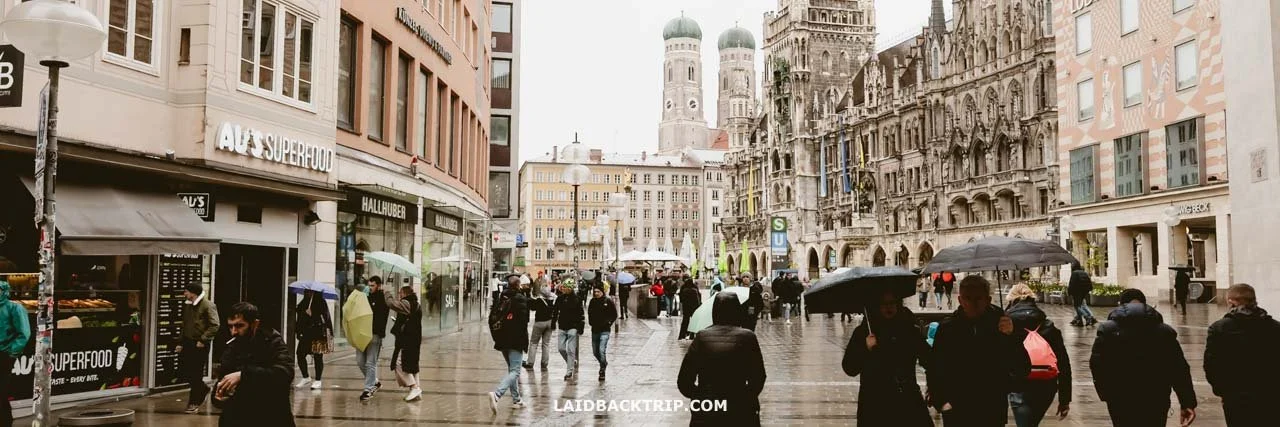
Munich, Bavaria's largest city and capital, offers plenty of things to see and do. We spent 3 days in Munich and its surroundings, which felt like the ideal amount of time to experience the city's highlights, though we could have easily stayed longer if time had allowed.
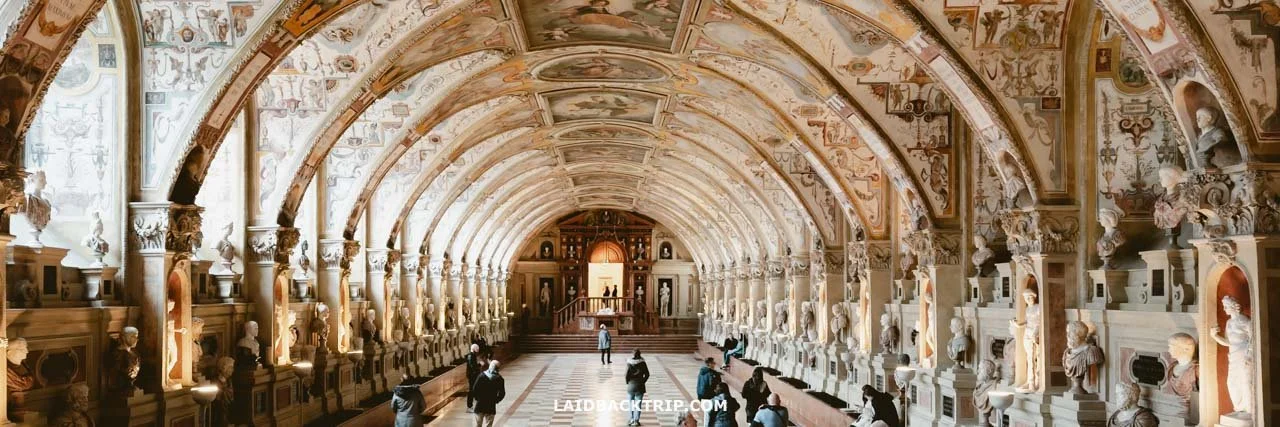
Day 1 included exploring Munich's historic Altstadt (Old Town), the magnificent Munich Residenz, and the fascinating Deutsches Museum. Day 2 was dedicated to visiting the Dachau Memorial Site, the BMW Museum, and the beautiful Nymphenburg Palace.
For Day 3, we'd recommend taking one of the many amazing day trips from Munich. We really enjoyed visiting Neuschwanstein Castle and Linderhof Palace, but there are plenty of other beautiful destinations to explore like Konigssee or Rothenburg if fairy-tale castles are not your thing.
Where to Stay in Munich
Munich offers a wide range of accommodation options to suit every budget and travel style. Staying near the Altstadt (Old Town) or Hauptbahnhof (Central Station) is generally the most convenient choice for sightseeing and getting around by public transport.
Since we arrived in Munich by car, we chose to stay near Ostbahnhof and closer to the Mittlerer Ring, which made access and parking much easier. Book your accommodation well in advance if you're visiting on weekends or during Oktoberfest, when prices increase significantly.
Dresden City Guide
Dresden, the capital of Saxony in eastern Germany, is one of Germany's most beautiful cities, famous for its rich cultural history and impressive Baroque architecture. Located on the Elbe River, it is often referred to as the "Florence on the Elbe." Although heavily damaged during World War II, the city has been painstakingly rebuilt and today offers a fascinating mix of restored historic monuments, vibrant street art, and energetic nightlife in the Neustadt neighborhood.
Things to Do and See
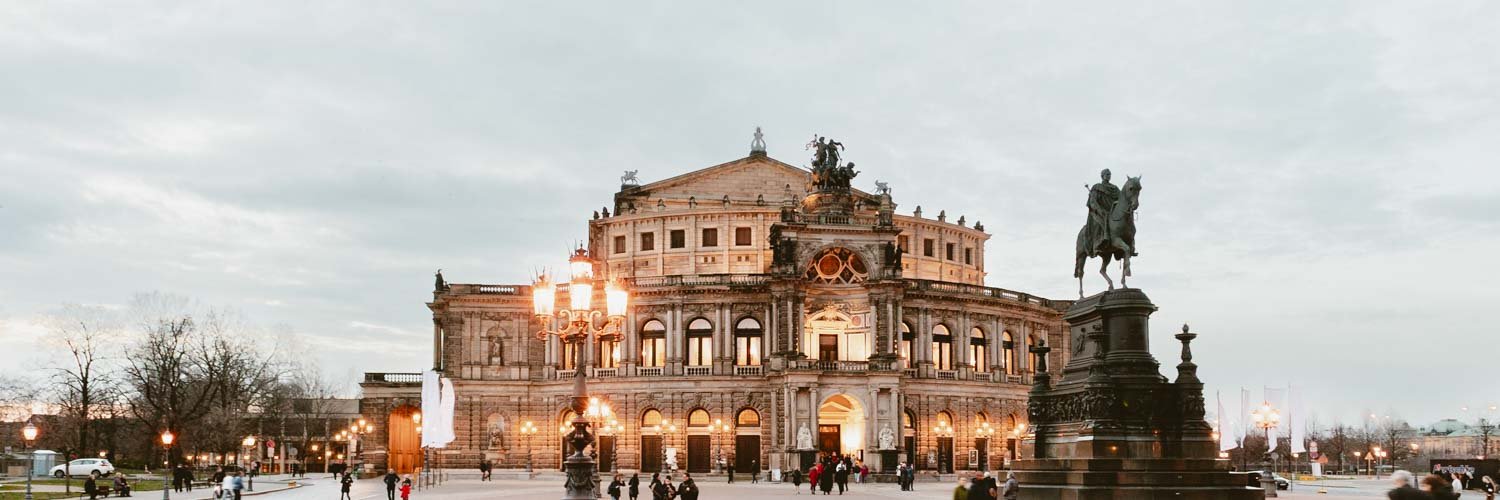
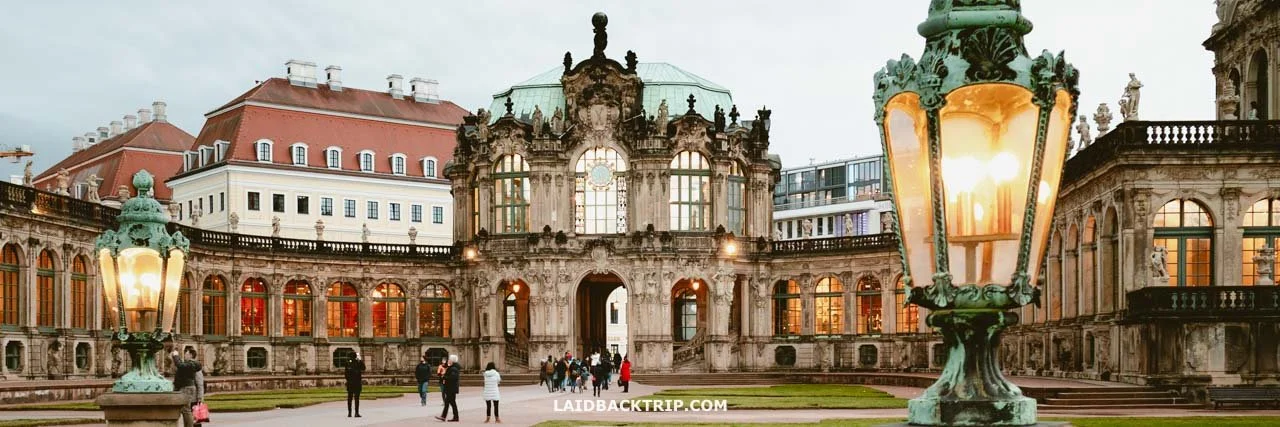
We spent an incredible day in Dresden, exploring the beautifully restored Old Town (Altstadt), stepping inside the iconic Frauenkirche, visiting the magnificent Baroque Zwinger Palace, and admiring the stunning architecture of the Semperoper. Later in the day, we strolled along Bruhl's Terrace for scenic views over the Elbe River, stopped to admire the impressive Furstenzug porcelain mural, and even crossed the river to explore the trendy Neustadt district. It was a long day, but well worth it.
How to Get There
It was incredibly easy to get to Dresden from Prague by car, as the drive via the D8 and A17 motorways took us less than two hours. Direct EuroCity (EC) trains connect Prague with Dresden in around 2 hours and 20 minutes, while offering beautiful views of the Elbe River Valley along the way. Direct buses operated by companies such as FlixBus take around 2 hours. Another convenient option is to join an organized trip from Prague to Dresden.