Denmark Travel Guide
Things to Do & Planning Tips & Itinerary
Denmark: Know Before You Go
Situated in Northern Europe, Denmark is a Scandinavian country located between the North Sea and the Baltic Sea. It consists of the Jutland Peninsula and numerous islands, making it easy to reach from other European countries. Most visitors arrive by plane through Copenhagen Airport (CPH), the country's main international gateway, while others travel by train, car, ferry, or cruise ship.
Denmark is best known for its beautiful coastline, historic castles, sandy beaches, seaside villages, colorful waterfronts, and Viking heritage. It is also famous for its bicycle-friendly cities, modern architecture, high quality of life, and also Danish pastries. Popular destinations include Copenhagen, Aarhus, Odense, Aalborg, and the coastal areas of North Jutland.
The official currency is the Danish krone (DKK), and Denmark is a member of both the European Union and the Schengen Area, although it does not use the euro. The population is around 6 million, and the country covers approximately 43,000 square kilometers, excluding Greenland and the Faroe Islands, which are part of the Kingdom of Denmark.
The official language is Danish, but English is widely spoken, making it easy for international visitors to communicate. We learned “Hej” (hello) and “Tak” (thank you) before the trip. Denmark uses Central European Time (CET) in winter and Central European Summer Time (CEST) during daylight saving time. Electrical outlets are typically type C, E, and K, with a standard voltage of 230V.
Practical Information
Get Around the Country
Getting around Denmark is very easy thanks to its efficient public transportation system, well-maintained roads, and excellent cycling infrastructure. In Copenhagen and other major cities, buses, trains, metro services, and local transit make it simple to reach the main attractions.
We traveled around Denmark by car, and it was one of the most stress-free driving experiences we've ever had. We also found public transportation reliable and convenient for exploring Copenhagen without needing a car. Tickets can be purchased through mobile apps, ticket machines, or at stations.
If you want to explore remote coastal areas, countryside villages, and national parks at your own pace, renting a car is the best option. Because we traveled to Denmark from Czechia, we brought our own car. Driving was really easy, and outside the major cities, traffic was very light. It was also incredibly convenient, as it allowed us not only to see the highlights but also to get off the beaten path whenever we felt like it.
Trains are a comfortable option for traveling between major cities, including Copenhagen, Aarhus, Odense, and Aalborg. They offer scenic views of the Danish countryside and are generally easy to navigate. Regional buses are useful for reaching smaller towns and destinations that are not directly served by trains.
The main downside is that trains are generally only practical for traveling between cities. Buses can get you to some more remote destinations, but services are often infrequent, and connections don't always line up well. In some cases, the biggest challenge is simply getting onward from your destination.
Cycling is one of the most popular ways to get around Denmark, especially in Copenhagen, where dedicated bike lanes make traveling by bicycle convenient and enjoyable. Bikes can be rented from local shops or through bike-sharing services.
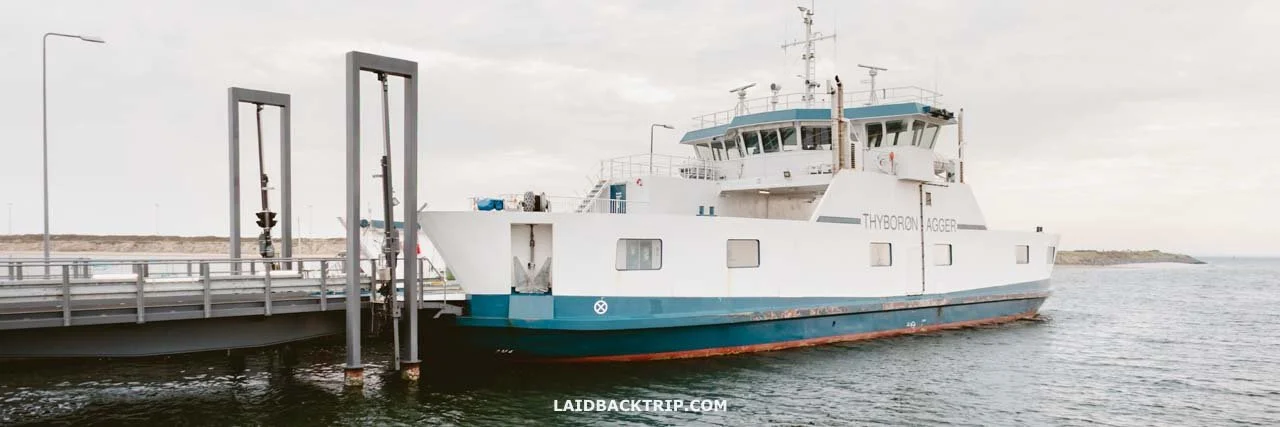
Ferries also connect Denmark's many islands, while bridges link several major regions of the country. We took a ferry to North Jutlandic Island, and it was a smooth trip from start to finish, although it wasn't strictly necessary as there were road connections available as well. The same was true for Mon, which can be reached by bridge.
Where to Stay
Denmark offers a wide range of accommodation options to suit different budgets and travel styles, from modern city hotels and boutique guesthouses to seaside resorts, cozy bed and breakfasts, roadside motels, affordable hostels, holiday apartments, and traditional holiday cottages. On our road trip, we stayed in pretty much every type of accommodation Denmark had to offer. One thing they all had in common, though, was that Denmark wasn't exactly cheap, even outside the main tourist season.
In Copenhagen, you'll find plenty of hotels close to major attractions, restaurants, and public transportation. Staying near the city center is convenient for sightseeing, but accommodation prices tend to be higher there, especially on weekends. Because of that, we stayed on the outskirts of the city and used the metro to reach the center. You can search for accommodation in Denmark using the search box below.
Since we had a car, we didn't really need to stay in towns and cities. Because of that, we often found nice accommodation in the countryside that was not only cheaper but also quieter and more convenient for exploring the surrounding area. The coastal areas of Jutland were full of seaside cottages and vacation rentals. Capacity can be limited, so it's recommended to book these well in advance, especially if you're planning to visit during the peak summer season.
Denmark also has an excellent network of well-maintained campgrounds throughout the country. Many are located near beaches, forests, and scenic coastal areas and often offer cabins in addition to traditional tent pitches, making them a good option even for travelers who don't want to camp.
When to Visit
The best time to visit Denmark is generally between May and September, when the weather is milder, the days are longer, and outdoor activities are more enjoyable. Of course, if you're planning to stay mainly in Copenhagen and perhaps visit a couple of other cities, Denmark is a year-round destination. Since we wanted to explore the whole country by car, we chose the shoulder season. It gave us good sightseeing conditions while avoiding the summer crowds.
Summer, particularly June, July, and August, is the most popular season for tourists. Temperatures are usually pleasant, making it a great time to explore Copenhagen, visit coastal towns, enjoy the beaches, and discover the Danish countryside. We personally avoided the peak summer season because of the crowds.
Spring, from April to May, is another lovely time to visit. The landscape becomes greener, the days get longer, and tourist crowds are generally smaller than in summer. It can still be chilly, especially along the coast where strong winds are common.
Fall, particularly September and October, is another great time to visit. The weather is usually still pleasant, summer crowds disappear, and the countryside takes on beautiful autumn colors. We visited Denmark in September and honestly couldn't have picked a better time for sightseeing and exploring at a slower pace.
Winter, from November to March, is cold, windy, and often rainy, with shorter daylight hours. If you don't mind those conditions, Denmark can be wonderfully quiet at this time of year, especially once you leave Copenhagen.
Staying Safe
Denmark is considered one of the safest countries to visit, making it a comfortable destination for less experienced travelers, solo visitors, and families. Crime rates are generally low, and violent crime against tourists is uncommon. We spent a good amount of time here and always felt safe exploring both the countryside and smaller towns, as well as Copenhagen and other Danish cities.
However, as in any destination, it's important to stay aware of your surroundings and take basic precautions. Petty theft, including pickpocketing, can occur in crowded places such as train stations, shopping streets, tourist attractions, and public transportation. From our experience, this was mostly an issue in Copenhagen, where we encountered the largest crowds and the busiest attractions.
Keep your valuables secure, avoid leaving bags unattended, and be extra careful in busy areas. We also walked around Copenhagen after dark and found the central areas generally safe. It's still wise to stick to well-lit streets and remain aware of your surroundings. Beyond the capital, the towns and villages felt even safer at night simply because they were much quieter.
When cycling, follow traffic rules, use designated bike lanes, and watch for other cyclists and pedestrians. When walking, watch for cyclists! Denmark is a true cycling nation, and because bikes were everywhere and we're not really used to that, this was probably one of the things we had to pay the most attention to.
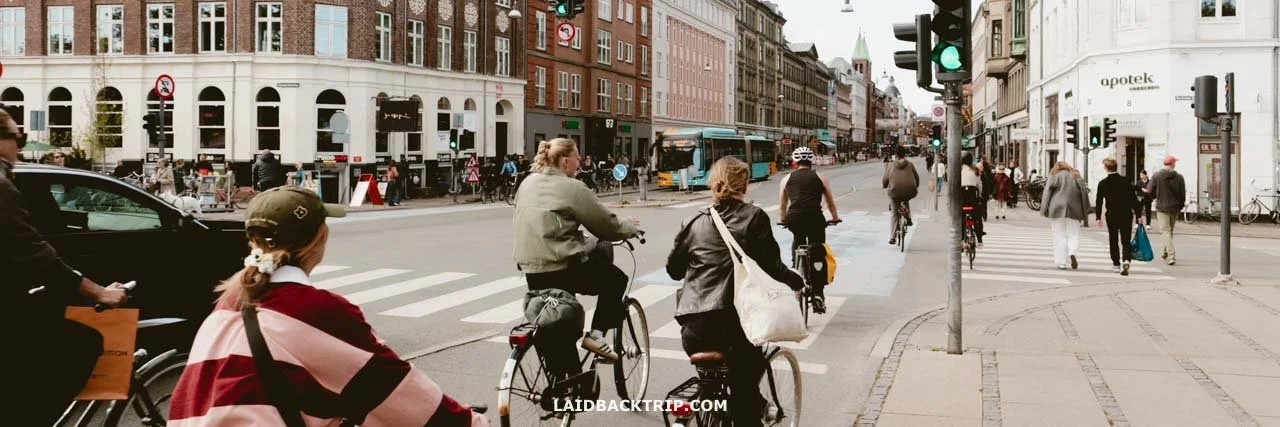
If you rent a car, never leave valuables visible inside and remember that cyclists are a common sight on Danish roads. Most of the time, they have their own dedicated bike lanes, but I still had to stay alert and keep an eye on them whenever I was driving. One thing I had to pay particular attention to was turning right, as drivers must yield to cyclists continuing straight ahead in the bike lane on their right.
Weather can change quickly, particularly along the coast, so check the forecast before heading outdoors. We did quite a bit of hiking along the coast and spent plenty of time driving through coastal areas, so we also had to keep an eye on the tide schedule. Denmark has reliable emergency services, and the emergency number is 112.
Jutland Road Trip
Jutland was the first place we visited in Denmark, and it turned out to be the perfect region to start our road trip. Its beautiful coastline, national parks, historic towns, and modern cities were so enjoyable to explore that we eventually spent five days there. Here are some of our favorite stops in Jutland, but be sure to check out our full 5-day Jutland itinerary for all the places we visited and practical information on the journey.
We started our road trip by exploring the Danish Wadden Sea, where endless beaches, massive tides, ever-changing mudflats, and abundant birdlife create a unique coastal ecosystem. Our first activity was a Black Sun tour, during which we watched thousands of starlings create mesmerizing patterns across the evening sky and, at times, completely obscure the setting sun.
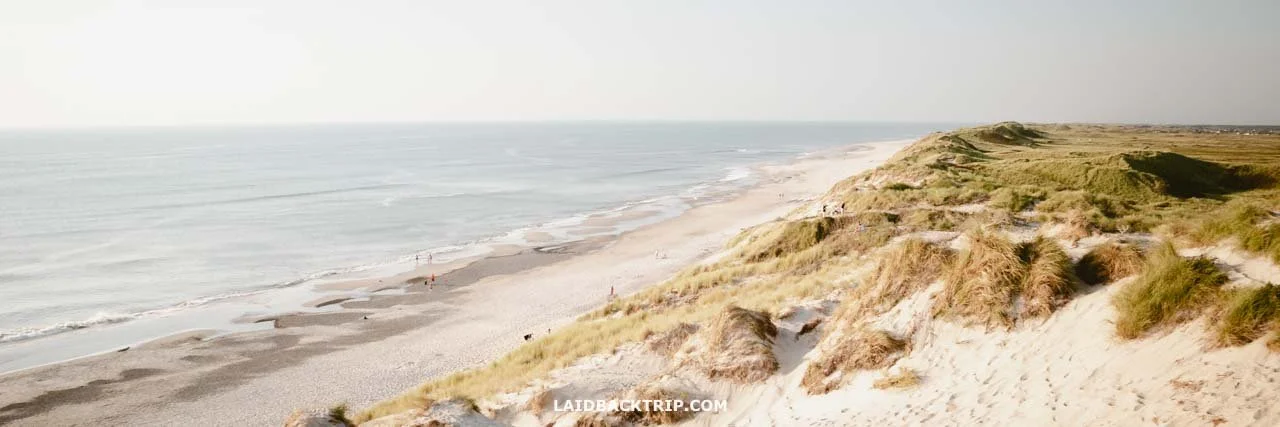
For some beach fun, we then headed to Romo Island, which is connected to the mainland by a causeway. Here, we enjoyed its enormous beaches, hiked through rolling dunes, saw several World War II bunkers, learned about the island's whaling history, and appreciated its laid-back atmosphere. After spending time in nature, we visited Ribe, Denmark's oldest town. Known for its Viking heritage, cobblestone streets, half-timbered houses, and beautiful cathedral, Ribe was one of our favorite towns in Denmark.
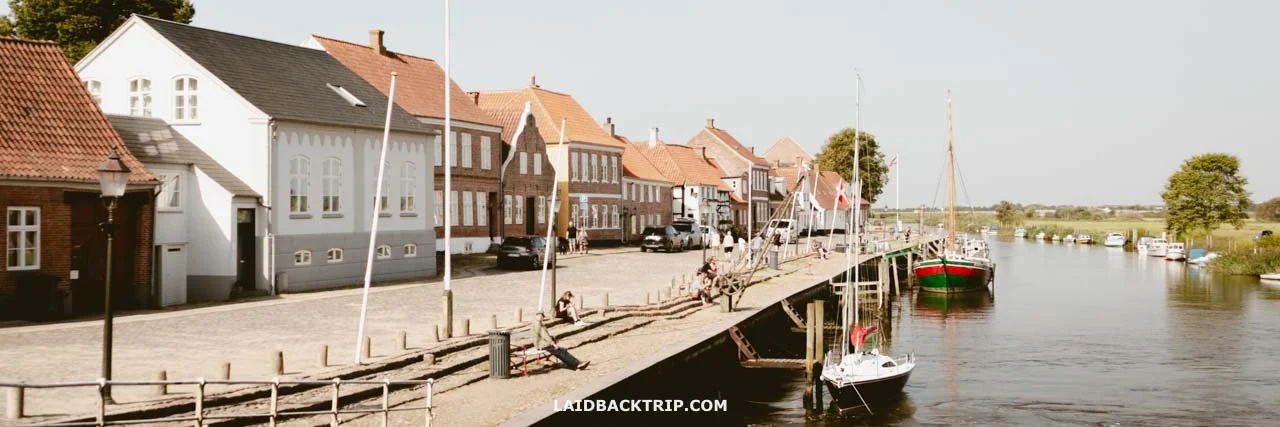
From Ribe, we continued along the North Sea coast until we reached the Tirpitz Museum. Built around a former German World War II bunker hidden among the sand dunes, the museum features interactive exhibits and offers fascinating insight into Denmark's wartime history.
Our next stop was Bovbjerg Lighthouse, where we watched a beautiful sunrise. Sitting atop dramatic cliffs and overlooking the rugged North Sea coastline, it offered some fantastic views and a peaceful experience far away from the crowds.
We were nearing Thy National Park, but first we had to take the Thyboron-Agger ferry across the Limfjord to reach the North Jutlandic Island, where the park is located. We spent an entire day exploring Thy National Park, one of Denmark's most untamed landscapes. To start our adventure, we chose the relatively easy Sorte Naese Trail. Along the way, we walked through pine forests, crossed windswept dunes, and eventually followed a long sandy beach for several kilometers.
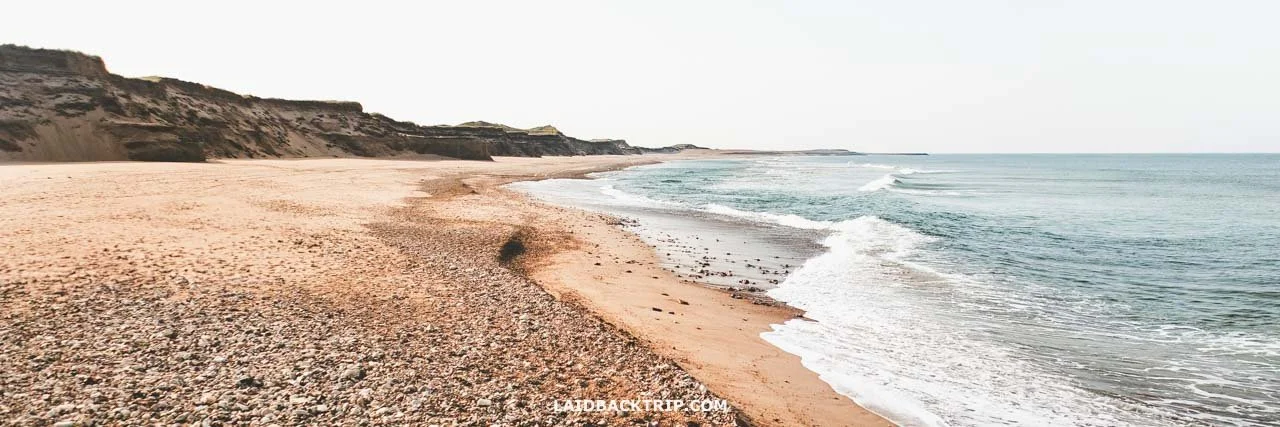
After the hike, we made a quick stop at Stenbjerg Landingsplads, a small historic fishing site known for its picturesque sheds and long sandy beach. Later, we visited Hanstholm Fortress, a large museum built around one of Europe's largest coastal defense systems from World War II. Besides exploring the bunkers, we learned a lot about the area's wartime history.
After the history lesson, we were ready for another hike. This time, we headed inland and chose the Isbjerg Trail. The route took us through heathlands and forests and offered beautiful views of Nors Lake. From the inland sections of the national park, we returned to the coast just in time to catch sunset at Rubjerg Knude Lighthouse. The views of the surrounding dunes and dramatic cliffs were pretty spectacular.
Eventually, we reached Skagen. This town at the northern tip of Jutland is known for its yellow houses, busy harbor, and museums showcasing the works of the famous Skagen Painters. However, the main reason we visited Skagen was that it is also home to Denmark's northernmost point. Just a few kilometers north of town, the scenic Grenen Trail follows a long sandy beach to the point where the North Sea and Baltic Sea meet.
From Skagen, there was only one way forward: heading back south. This time, we followed Jutland's east coast while also making a few inland detours. Our first stop was Aalborg, where we explored the historic old town, saw several impressive murals, and enjoyed views over the Limfjord. Before reaching the city, we made a quick detour to Lindholm Hoje, one of Denmark's most important Viking sites. This vast burial ground features hundreds of graves and distinctive stone ship settings.
Afterward, we explored Aarhus, Jutland's largest city. We enjoyed wandering through the historic Latin Quarter, visiting the fascinating ARoS Art Museum, and strolling along the modern waterfront.
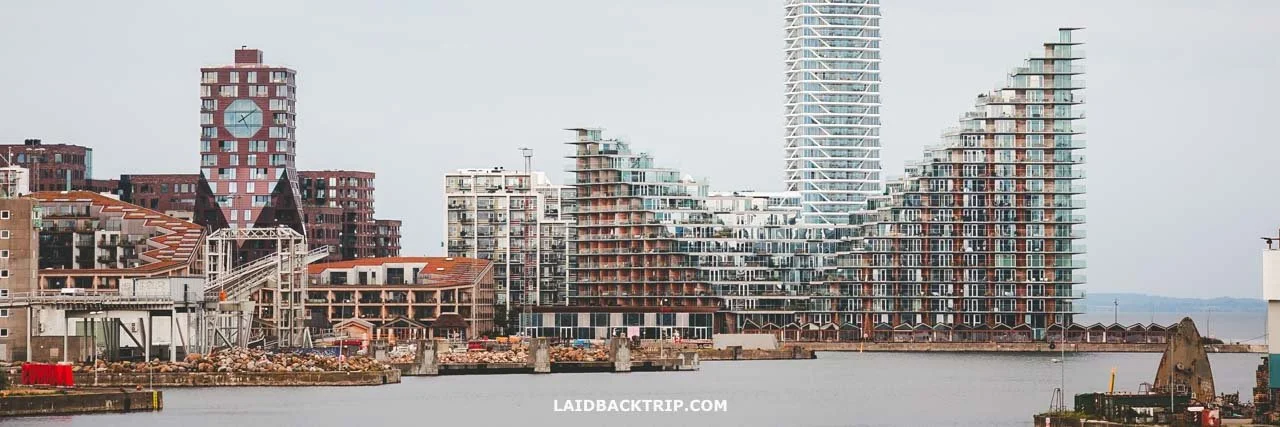
We began the final stretch of our Jutland road trip with a visit to Ejer Bavnehoj and Mollehoj, two of Denmark's highest natural points. This time, there was no real hiking involved, as both summits are accessible by car. We climbed the viewing tower, enjoyed the scenery, and couldn't stop thinking about just how flat Denmark really is.
Next, we headed to Jelling to see its famous Viking monuments. We visited the historic rune stones and burial mounds before continuing to the museum, where we learned more about the adoption of Christianity and the importance of Jelling Kongernes in Danish history.
From Denmark's Viking past, we traveled to Billund to experience one of the country's most famous modern attractions. This small town is home to LEGO, and although LEGOLAND was already closed for the season, we spent several enjoyable hours inside LEGO House. Playing, building, and admiring creations made from thousands upon thousands of bricks was definitely fun.
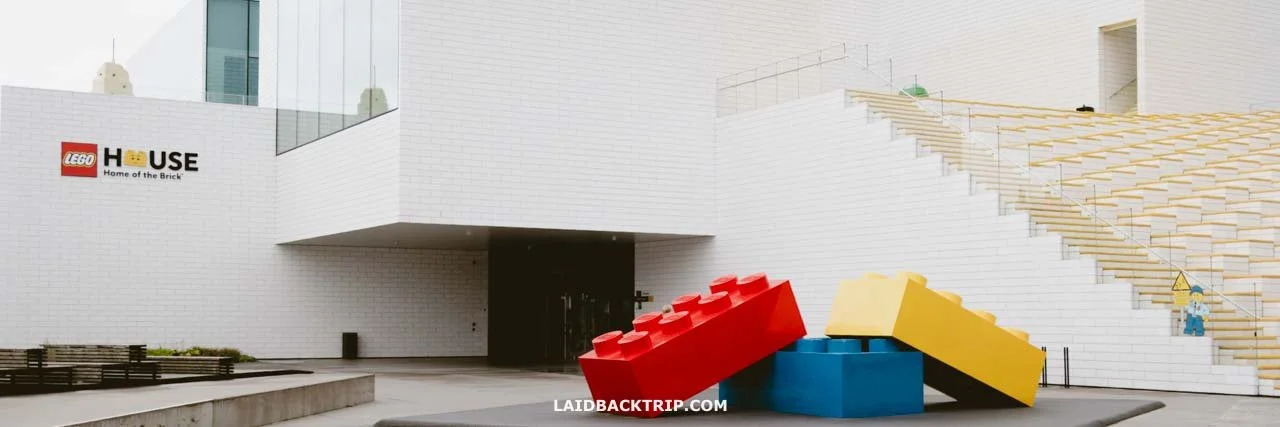
After that, it was time for more history, so we continued to Kolding. We explored the town itself for a while, but our main focus was Koldinghus, a remarkably restored medieval castle featuring royal history exhibits and the famous Flora Danica collection. The final stop on our Jutland road trip was Christiansfeld, a UNESCO-listed town known for its symmetrical streets, historic brick buildings, and fascinating Moravian Church heritage.
Zealand: Things to Do & See
Once we reached Zealand, we headed to another UNESCO site, Trelleborg Ring Fortress. This remarkable Viking site offers fascinating insight into Denmark's early medieval history. Beyond the large archaeological area with the ring fortress itself, there is also an interesting museum and a reconstructed longhouse that helps bring the Viking era to life.
For some nature, we then headed to Stevns Klint. These beautiful cliffs on Zealand's east coast are not only spectacular to explore on foot but also preserve evidence of the mass extinction event that brought the age of dinosaurs to an end.
Now it was time to get closer to the capital, but before that, we still wanted to explore Roskilde. This charming town features a picturesque harbor, a beautiful historic center, a magnificent cathedral, and a strong Viking heritage. Naturally, it was the Viking and royal history that interested us the most.
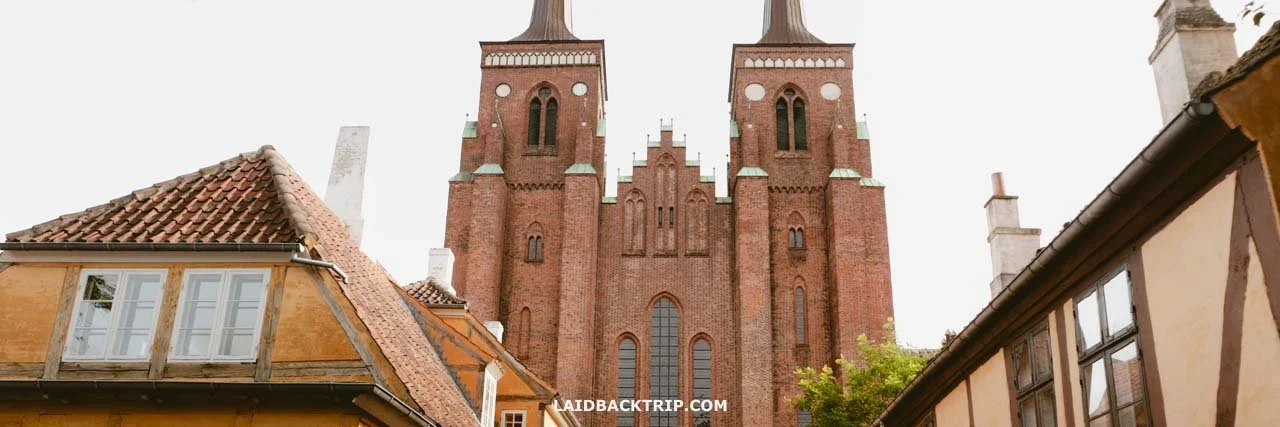
We started at the Viking Ship Museum, which housed an impressive collection of historic vessels recovered from Roskilde Fjord and offered plenty of information about Viking seafarers and shipbuilding techniques. Afterward, we visited the UNESCO-listed Roskilde Cathedral. With its stunning architecture and centuries of royal burials, it was one of the most impressive churches we visited in Denmark.
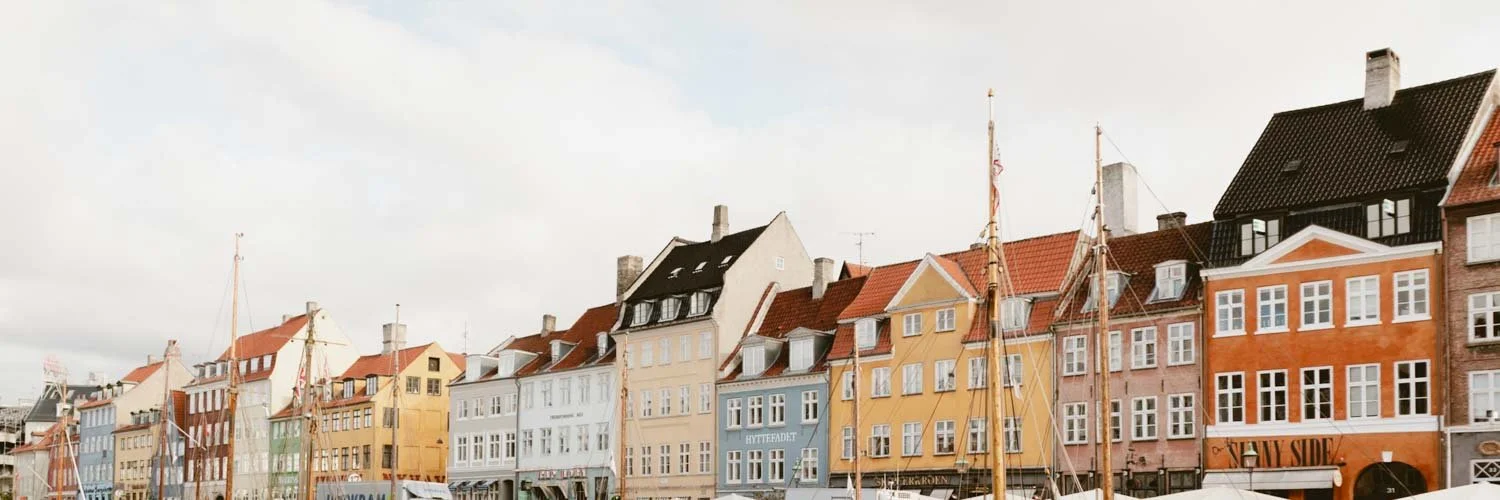
Finally, we reached Copenhagen, the capital of Denmark. We had a great time exploring the city. We admired the colorful houses of Nyhavn, walked along picturesque canals, enjoyed some excellent seafood, toured both Christiansborg Palace and Rosenborg Castle, wandered around Christiania, explored Kastellet Fortress, and visited the famous Little Mermaid statue. In the end, we spent 3 days in Copenhagen, and by the time we were ready to leave, we honestly wished we could have stayed longer.
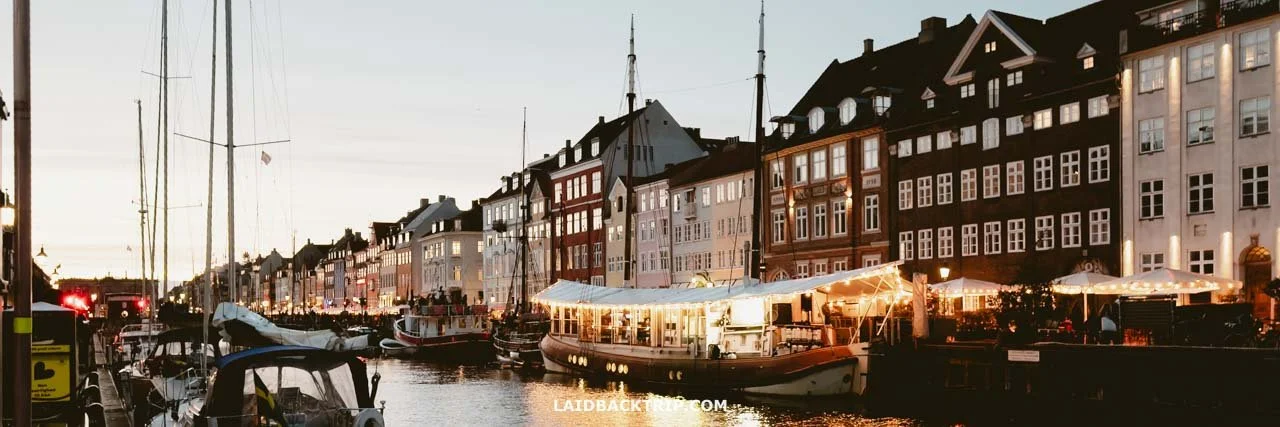
Now let's take a closer look at some of our favorite attractions in Copenhagen. We started at the beautiful Christiansborg Palace, home to Denmark's Parliament, royal reception rooms, and the Supreme Court. The grand halls and lavish interiors were fascinating to see, and after the tour we climbed the tower for spectacular views over the entire city.
Next, we took a self-guided tour of Rosenborg Castle. Exploring the royal chambers, ornate interiors, and Danish crown jewels was a highlight of our time in Copenhagen. Although originally built as a royal summer residence, today it is one of the city's most interesting historic attractions.
Finally, we took a walk along the waterfront to see the famous Little Mermaid statue. Inspired by Hans Christian Andersen's fairy tale, the statue itself is relatively small, but the pleasant walk along the harbor made the visit worthwhile.
From Copenhagen, we continued north. Our first stop was the imposing Kronborg Castle, best known as the legendary home of Shakespeare's Hamlet. The castle features massive fortifications, underground casemates, and well-preserved interiors that we explored on a self-guided tour. The views from the tower over the Oresund Strait were simply spectacular.
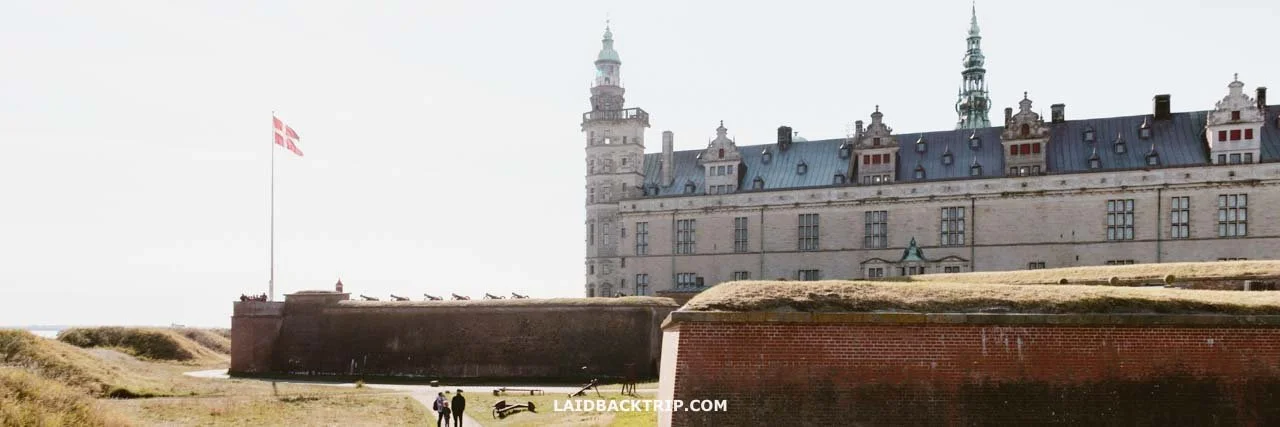
Our next stop was the Louisiana Museum of Modern Art, which combines thought-provoking contemporary art, a beautiful sculpture garden, and stunning coastal views over the Oresund. It was very different from anything else we had seen on this trip, and we thoroughly enjoyed the experience.
We finished our time on Zealand at Frederiksborg Castle, one of Denmark's most impressive palaces. We toured its lavishly decorated halls, admired centuries of royal portraits, and wandered through the beautiful Baroque gardens that surround the castle.
Mon Island Day Trip
During our journey across Zealand, we made a detour to nearby Mon Island. The main reason for this side trip was Mons Klint, one of Denmark's most famous natural attractions. These white chalk cliffs towering above the Baltic Sea were simply spectacular. We hiked a relatively easy loop trail that took us through woodlands, along the beach, and to several amazing coastal viewpoints.
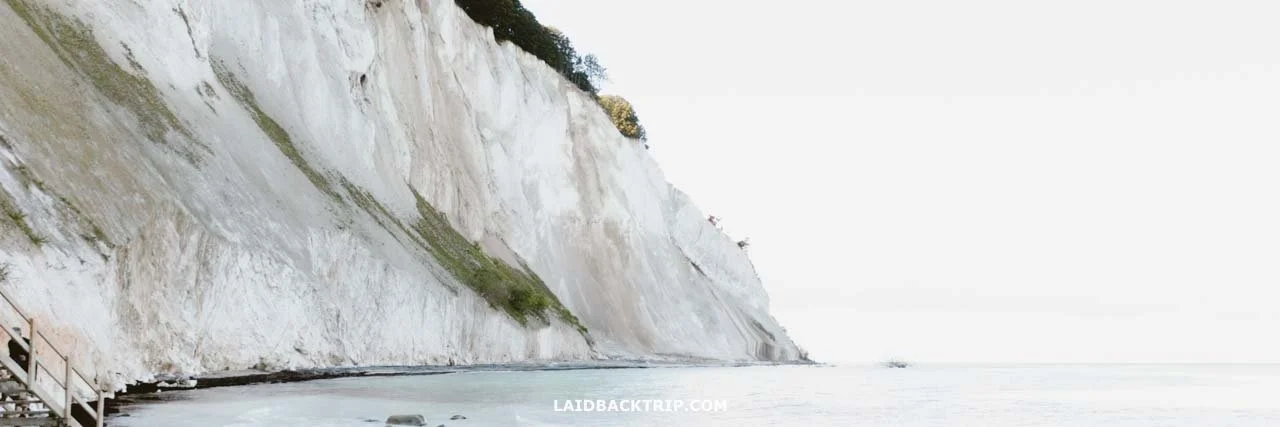
Beyond the cliffs, Mon had even more to offer. We learned about the island's Neolithic history, visited a few of its beautiful frescoed churches, and enjoyed driving through its peaceful rural landscapes. Although Mon Island is not that known beyond the cliffs, we were glad we spent a bit more time there. The combination of beautiful scenery, fascinating history, and quiet countryside made it one of our favorite detours in Denmark.
Funen's Must-Sees
We started our time on Funen by exploring Odense, Denmark's third-largest city and the birthplace of Hans Christian Andersen. We arrived early, wandered through the still-quiet old town, headed to the transformed waterfront area, and really enjoyed the atmosphere of a city slowly waking up.
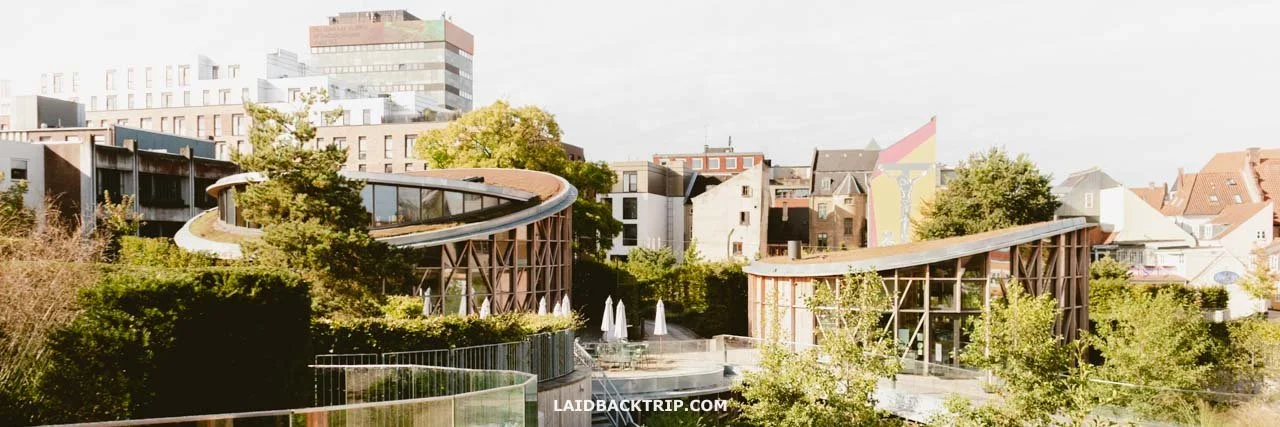
Once the museum opened, we headed to H.C. Andersen's House to learn more about the city's most famous native and the incredible imagination behind his world-famous fairy tales. After the museum, we explored a bit more of Odense before heading out into the countryside.
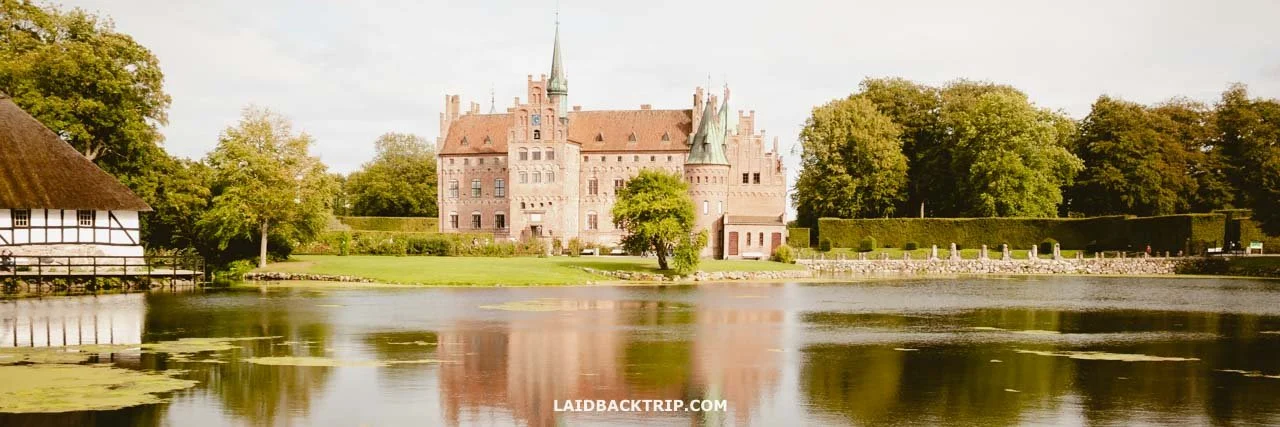
Just a short drive from Odense lies Egeskov Castle, one of Europe's best-preserved Renaissance water castles. This was our next stop. With its elegant rooms and beautifully landscaped gardens, the castle was every bit as impressive as it looked in the photos, but it was the various museums on the grounds that really took us by surprise.
Our next stop was the coastal town of Svendborg, where we enjoyed a walk along its picturesque harbor filled with boats of all sizes, as well as its charming old town. At this time of year, the town was very quiet, and we really appreciated its laid-back atmosphere.
Before leaving Funen, we made one final stop in Nyborg. It was only a short visit, but we still had time to stroll along its modern waterfront, wander through the picturesque old town, and see the historic Nyborg Castle.
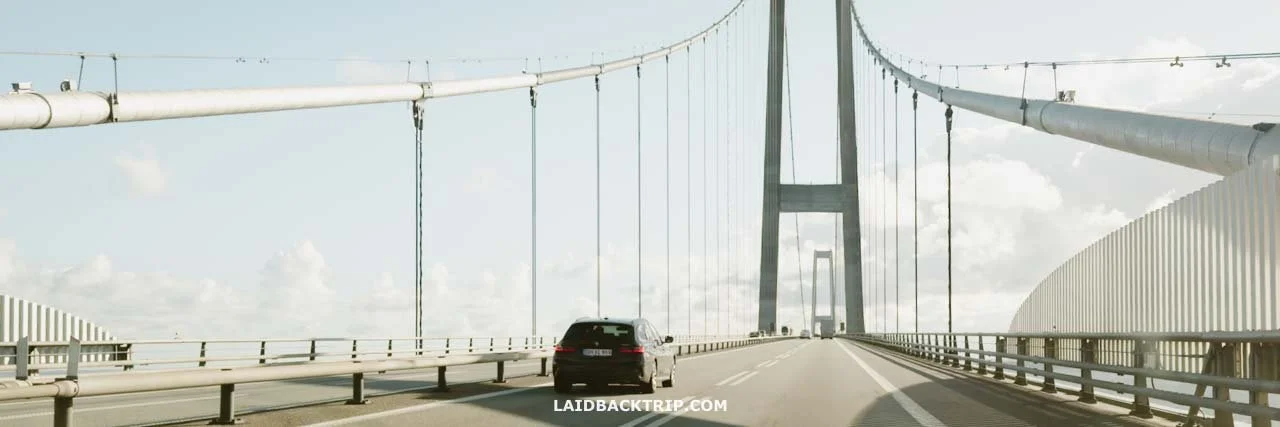
Now it was finally time to head to Zealand, which meant crossing the Great Belt Bridge that connects the island with Funen. This engineering marvel made the journey an attraction in its own right. Driving across it was a memorable experience, although not exactly a cheap one.