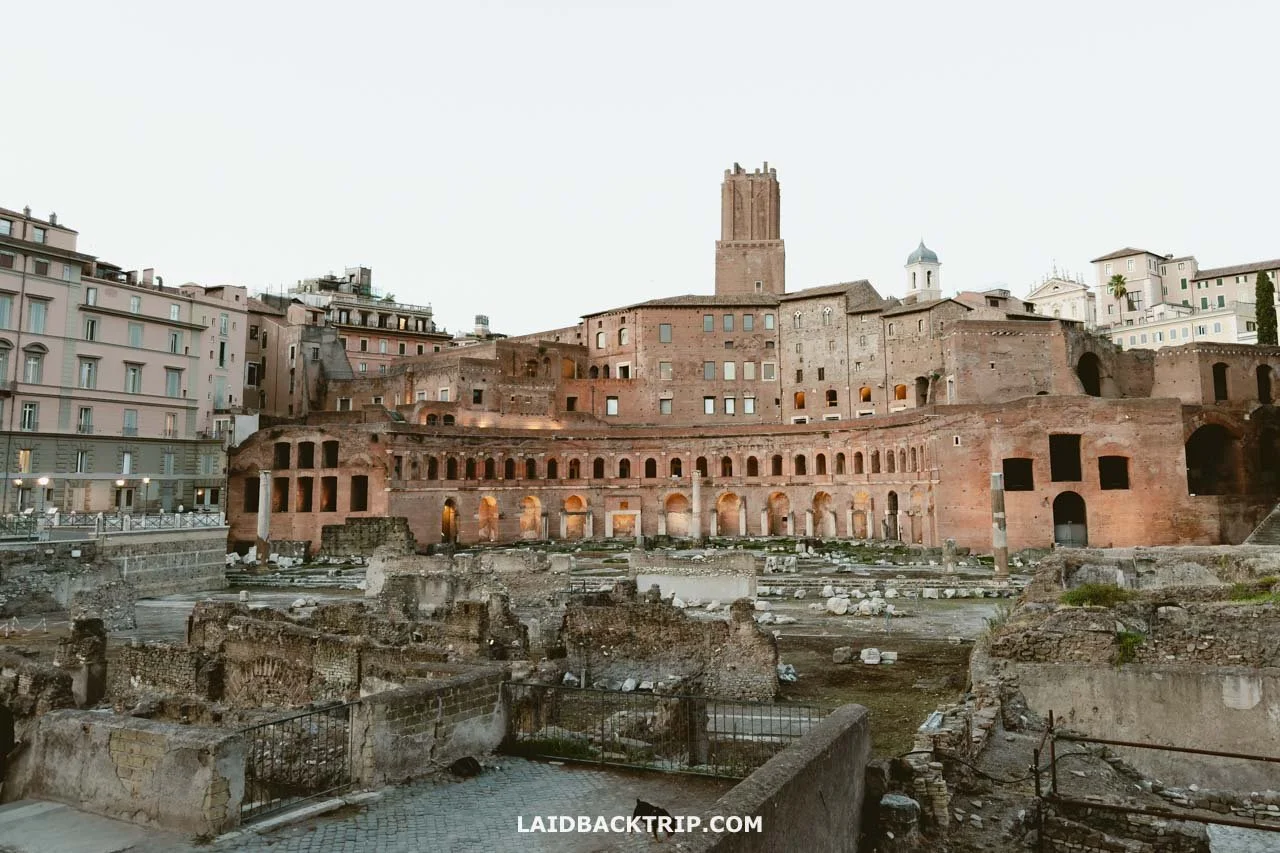
We came to Trajan's Market with no expectations, but it turned out to be one of Rome's hidden gems.
Originally, Trajan’s Market wasn't on our itinerary for our first trip to Rome with Lucie. Two days into our vacation, we planned to visit the iconic Roman Forum. While exploring the Imperial section, we noticed the impressive, semicircular facade with three levels of shops (tabernae) that open toward Trajan's Forum.
Initially, we assumed this amazing Roman structure belonged to the Imperial Forum. However, as we explored, we realized the two sites are right next to each other but not connected, so we couldn't get from one to the other. Before long, we found out it was actually Trajan's Market. With a little more digging, we learned it's officially known as Mercati di Traiano Museo dei Fori Imperiali.
By the time we finally visited Trajan's Market, we had already spent a few days in Rome. We were truly curious about this massive Roman ruin, and once we learned more about it, we added it to our list of optional sites. However, that list was already quite full. Since we couldn't stay in Rome forever, we honestly had no idea if we'd even make it there.
But we did. Although we hadn't realized it at the time, visiting Trajan's Market turned out to be an off-the-beaten-path experience. We were in one of the oldest parts of Rome, teeming with tourists, yet Trajan's Market offered us a way to escape the crowds. On top of that, the whole site was fascinating and filled with ancient Roman history. What was not to like about it, right? So, let's explore it!
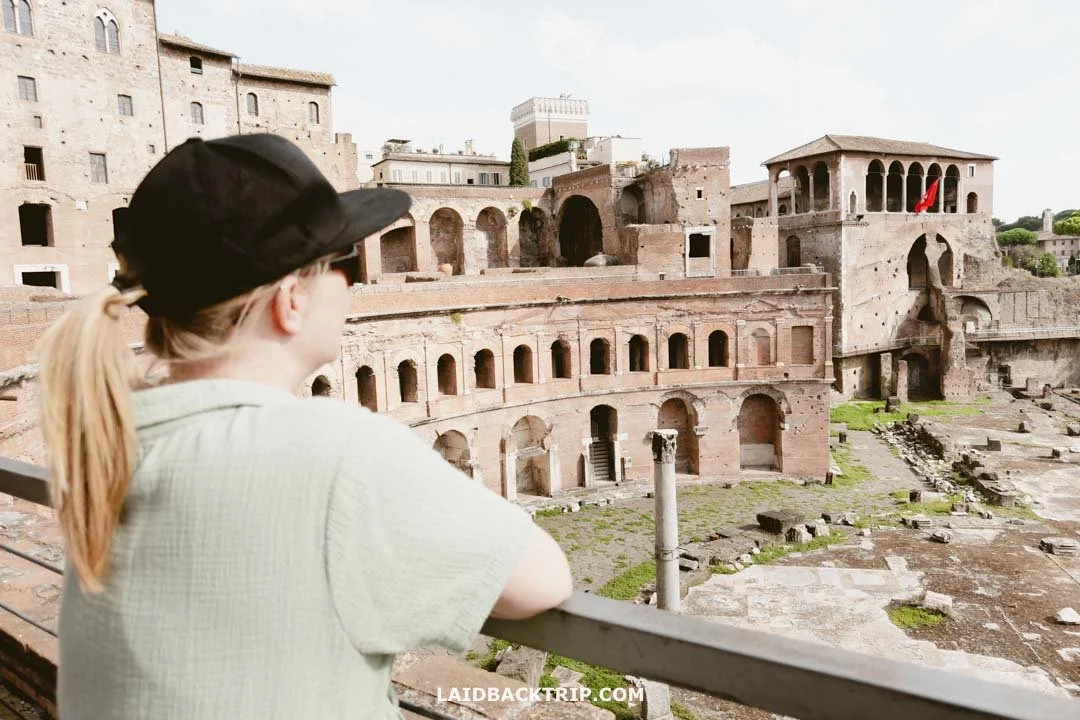
Getting to Trajan's Market
Trajan's Market is located right next to Trajan's Forum, near today's Piazza Venezia. The closest metro station is Colosseo, while nearby Piazza Venezia is served by many bus lines. Still, the easiest way to reach it is simply by walking. We were staying at a charming Hotel Navona in Rome's Centro Storico, close to Piazza Navona, so getting to Trajan's Market was just a 15-minute walk.
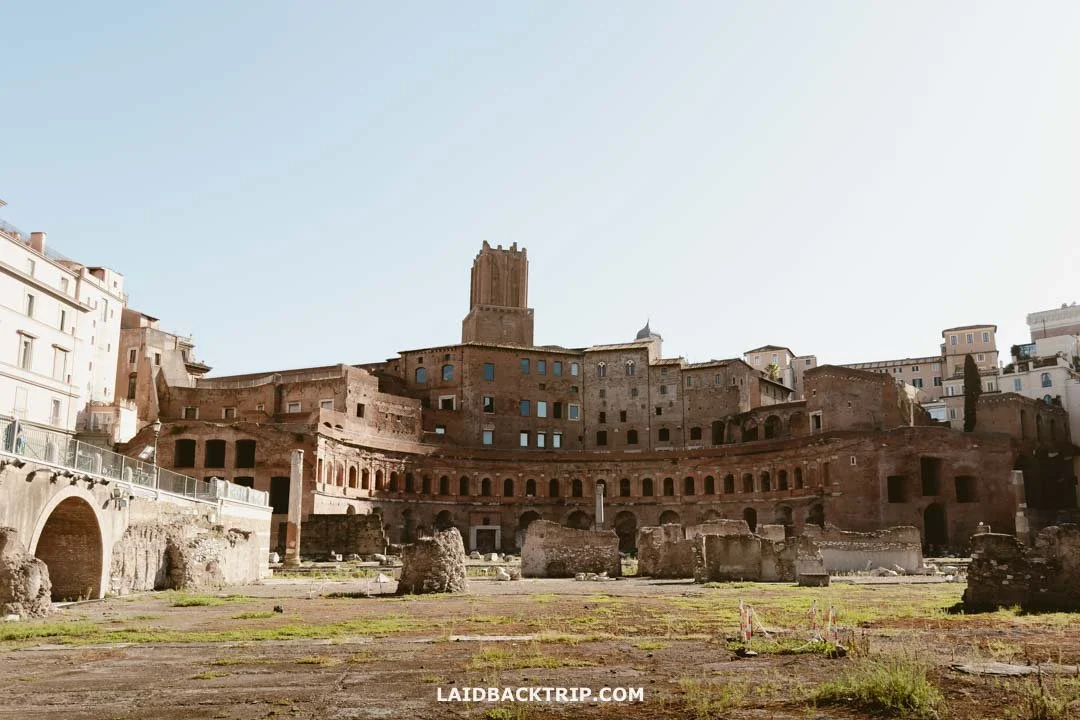
Looking at Trajan's Market across the ruins of the Imperial Forum.
From our place, we walked to Piazza Venezia. Once we arrived, we headed toward Trajan's Forum, passed the Church of the Most Holy Name of Mary at the Forum of Trajan, climbed the stairs on Via Magnanapoli, and once we reached Via Quattro Novembre, the museum entrance was less than 50 meters on our right, behind a big metal gate.
Tickets and Prices
We paid €15 for a single adult ticket to Trajan's Market, which was a bit more than we would have liked. Still, we ultimately decided it was worth the price. We bought our tickets at the entrance with no issues or waiting lines, so this confirmed our suspicion that booking in advance was really unnecessary.
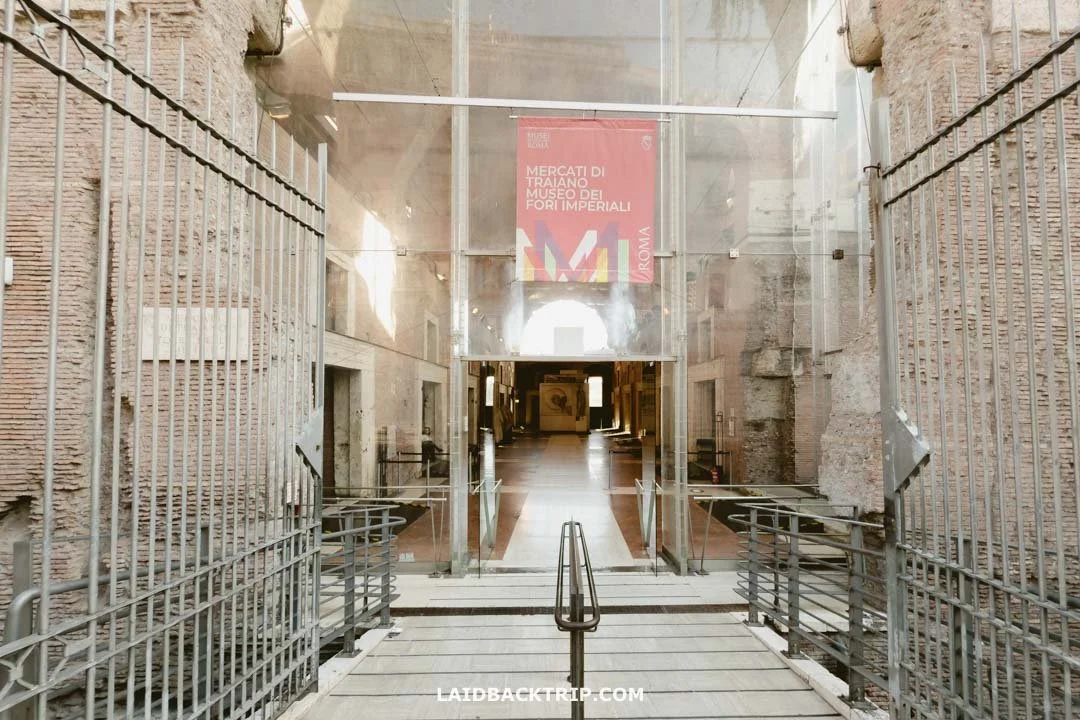
We found no lines at Trajan's Market when we arrived there.
Apart from the official site, Mercati di Traiano Museo dei Fori Imperiali, we saw a lot of third-party websites charging much more for tickets, so keep an eye out for that. Most claim to offer skip-the-line entry, but as we said, there was no line anyway. This isn't the Colosseum or the Vatican Museums, so you can just grab your tickets when you arrive.
How Long to Spend at Trajan's Market
We spent about two and a half hours touring Trajan's Market. Honestly, it was one of those attractions where I didn't know how much time to budget for, and even after seeing it, I still can't say for certain. The hours slipped by, and if we hadn't arranged to spend the evening in Trastevere, we might have lingered much longer.
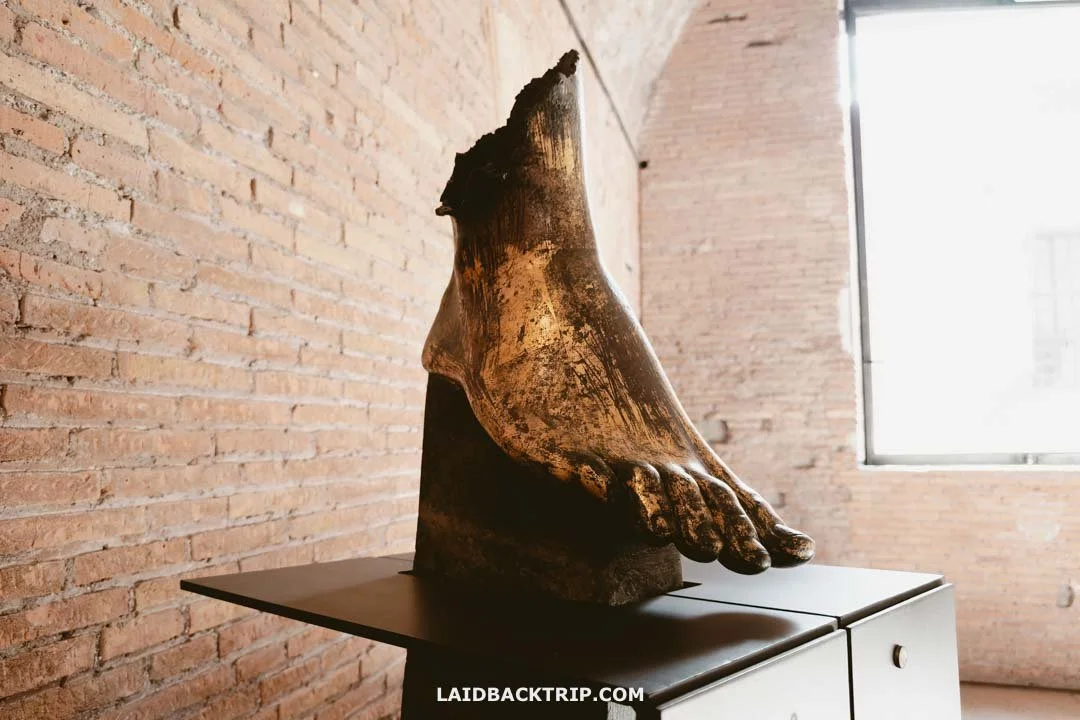
We spent about half of our time exploring the museum.
The thing was, we spent the morning exploring Castel Sant'Angelo and the Stadium of Domitian. After lunch and a short break at our hotel to recharge, we headed over to Trajan's Market. While we didn't rush through anything, it turned out to be more than enough museums for one day. If we had come here first thing in the morning, we probably would have been more motivated to spend extra time in the museum section.
What's to See in Trajan's Market
Now, let's talk about what we actually saw at Trajan's Market. Our visit had two main sections: we began with the museum, which gave background on Trajan's Market and showcased numerous artifacts found on-site. The other part consisted of the surviving ancient Roman structures, which have stood the test of time. Let's dive in and explore them more closely.
The Museum in the Great Hall
Upon entering the Great Hall, we made our way to the ticket office, got our tickets, and began our visit. The hall itself functioned as a museum for Trajan's Market and was packed with ancient artifacts and lots of information. Since it was spread out over two levels, we spent a good amount of time exploring this section.
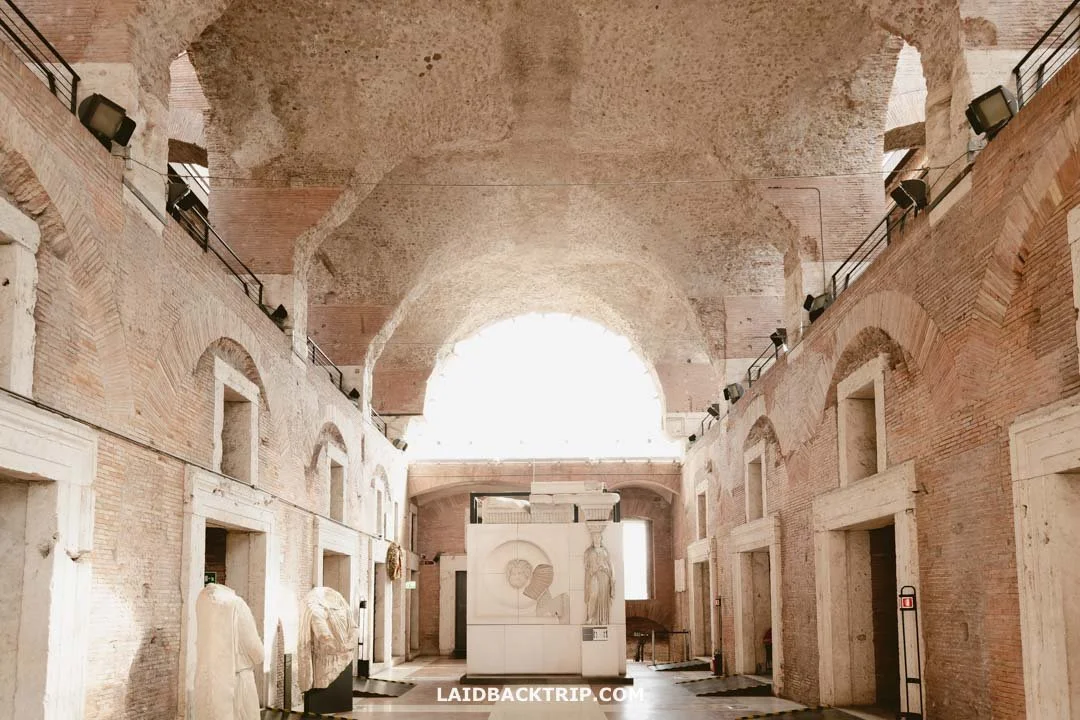
Inside this beautiful hall with a vaulted ceiling is a museum that provides complete information on Trajan's Market.
The highlight of this massive hall was definitely the ceiling, a concrete vault composed of six cross-vaults that perfectly illustrated Roman engineering skill. Even better, the hall was a fantastic place to begin our tour. It was loaded with information about both Trajan's Market and the Forums, which was especially helpful since those sites are so closely linked.
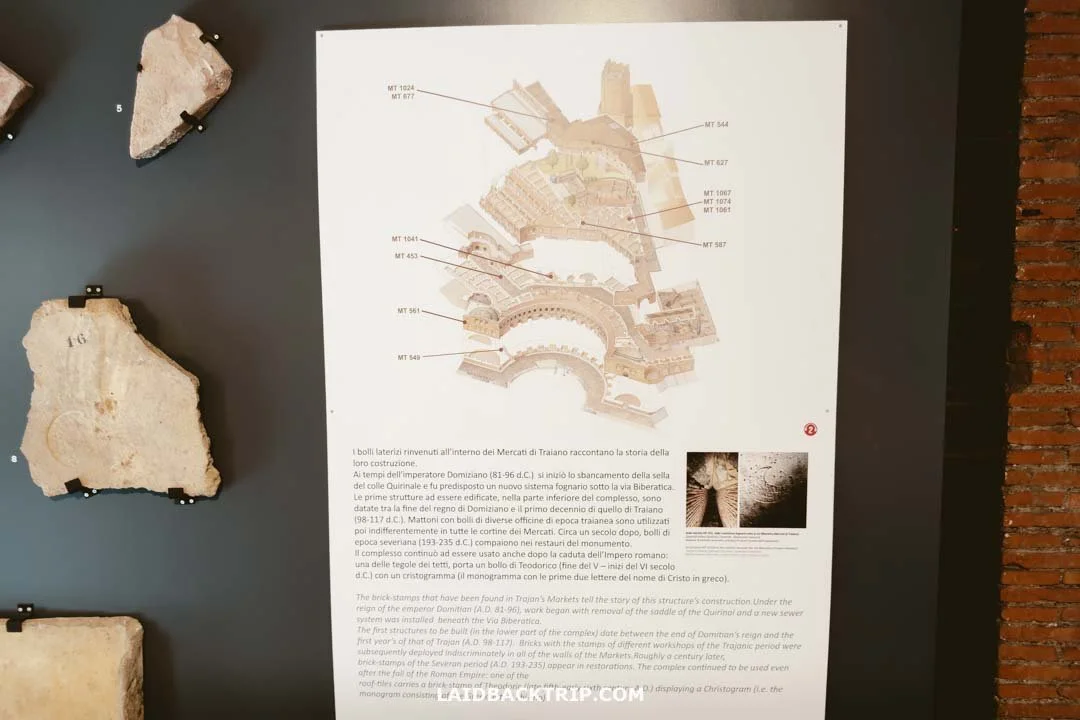
This map beautifully illustrates all floors of Trajan's Market.
The collection included archaeological discoveries, architectural fragments, sculptures, and exhibits about the history of the Forums, including Trajan's and Augustus' Forums. Lucie had a great time exploring the reconstructed fragments, and I was fascinated by the panels that tracked how Trajan's Market changed through the centuries. We spent plenty of time in this part of the museum, since there was so much to see. Even though it wasn't fully air-conditioned, the building made it a welcome break from the heat outside.
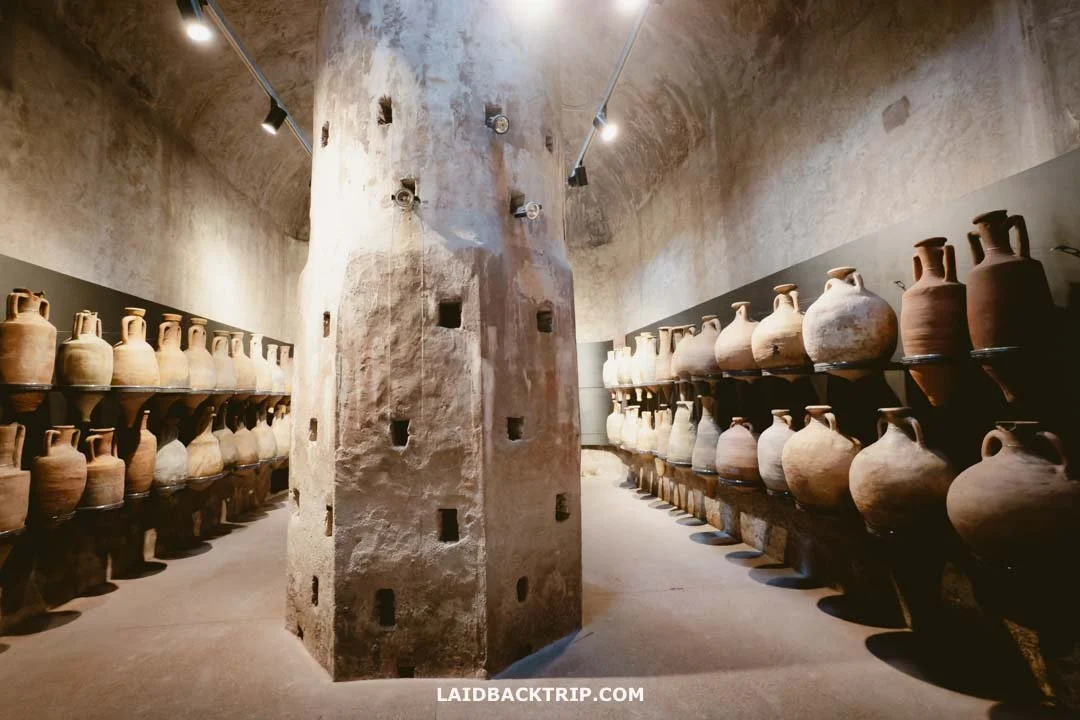
This room displayed a collection of Iberian amphorae that Romans used to carry goods like olive oil, wine, and fish sauces.
Trajan's Market History
Between 100 and 110 CE, Trajan's Market was most likely built by Apollodorus of Damascus, Trajan's favored architect and the planner behind his Forum. This multi-level complex was constructed into the slope of Quirinal Hill, right next to Trajan's Forum. Thanks to its tiered design, the market became a highly integrated and intricate hub that functioned as the imperial administrative center for the nearby Forums.
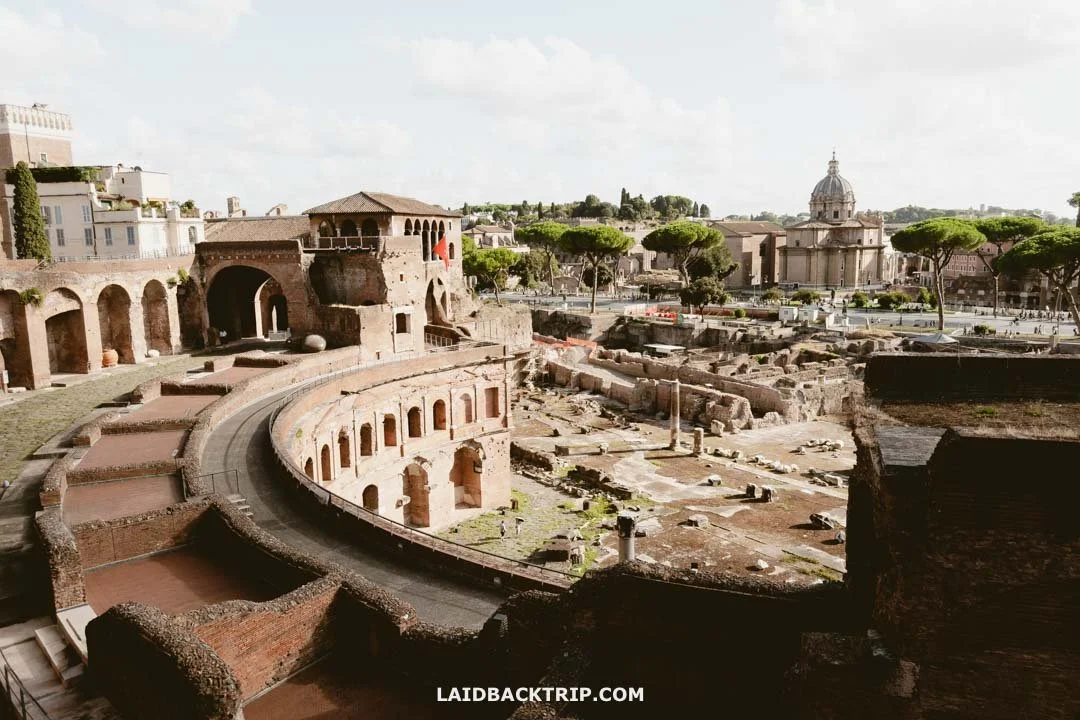
Trajan's Market provided commerce, administration, and civic functions.
This entire complex had both commercial and administrative uses, so it included imperial offices, shops, archives, and storage areas. For years, most people thought the main purpose was commerce, hence the name Trajan's Market. We even read that some considered it the first major shopping mall in history. Recent archaeological research, though, now suggests it was mostly used for administrative functions.
The Great Hemicycle
After spending plenty of time in the museum, we were ready to explore the rest of Trajan's Market. As soon as we stepped outside the massive hall, we found ourselves standing before the Great Hemicycle, arguably the most fascinating part of the entire complex.
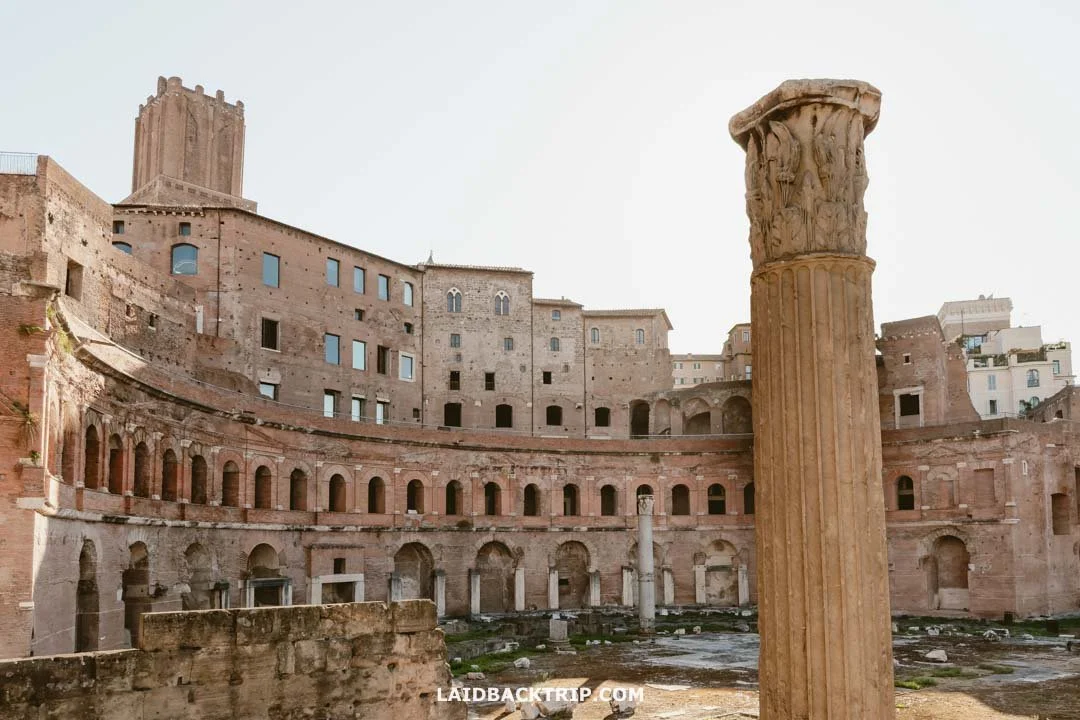
The Great Hemicycle had three floors and a semi-circular shape.
This striking, curving, semicircular structure was designed to fill and support the slope of Quirinal Hill and had three stories. Whether we walked through it or admired it from outside, it was absolutely spectacular.
Interestingly, after we took the stairs down from the museum to the level below, we discovered the Small Hemicycle just around the corner to our right. It was much smaller, but it also followed the natural curve of Quirinal Hill and had three stories.
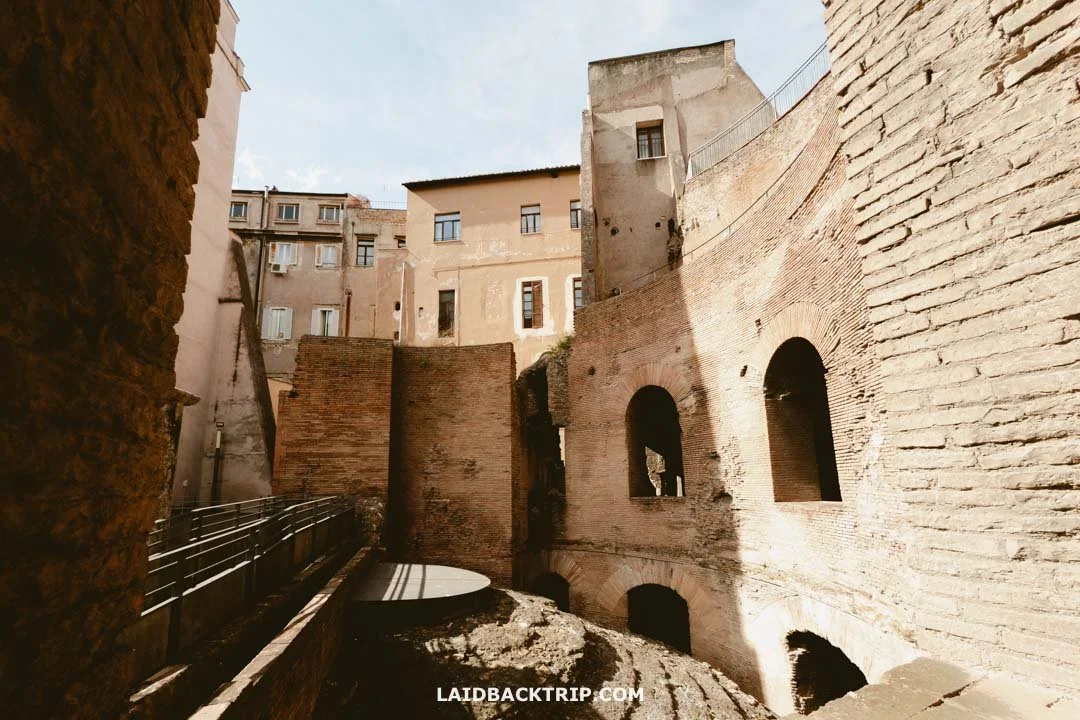
The Small Hemicycle is also a part of Trajan's Market.
Touring Trajan's Market Without a Guide
The museum section of Trajan's Market was quite easy for us to explore on our own. The outdoor area, though, was slightly trickier. The space beyond the museum was pretty large and stretched across several stories, making it less straightforward to navigate than we originally expected.
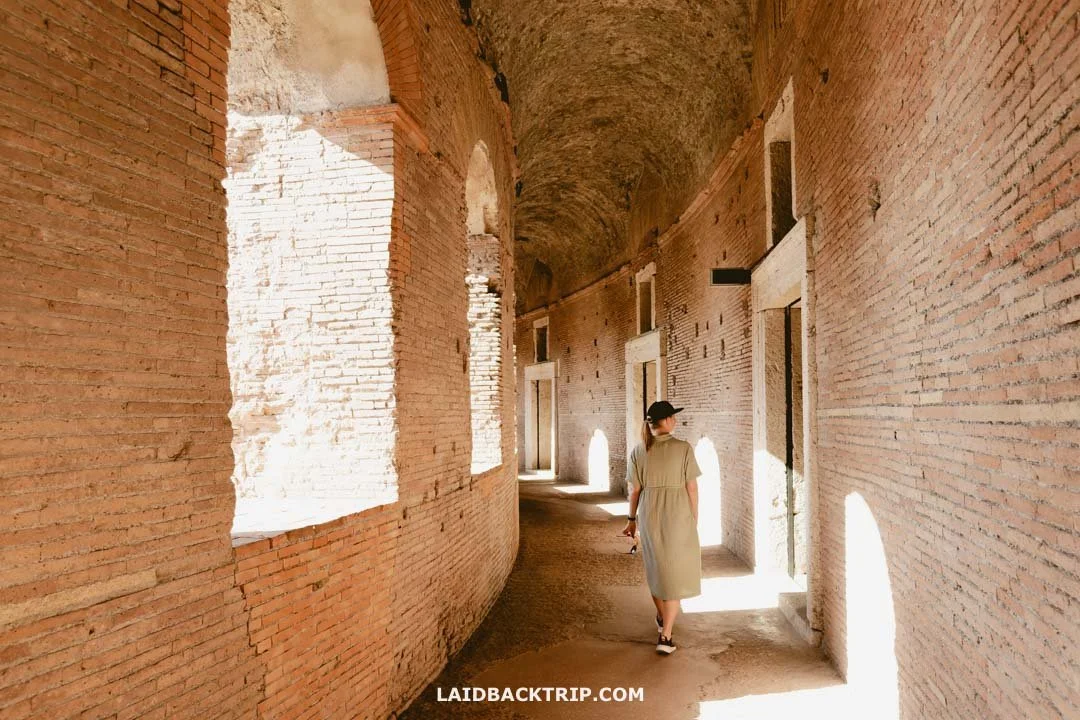
The inner passage inside the Great Hemicycle.
We even managed to get "lost" a few times while exploring. It wasn't total confusion, but we occasionally had to double back or realized we'd returned to a spot we'd just left. The signs didn't provide much assistance, so we mostly relied on our own instincts.
I have to admit that was actually one of my favorite aspects of exploring Trajan's Forum. At times, it felt like we were wandering through some undiscovered ruins in a far-off place, not the center of Rome. Honestly, I can't recall the last time we experienced something quite like it. It was so much fun to explore freely, without following a suggested route. That approach can be frustrating in some places, but here it really suited us.
One nice thing was that when we occasionally made a wrong turn, we didn't have to fight our way back through crowds like at other attractions. The only real drawback was that we probably racked up more steps than usual, but at least it was a bonus for our fitness.
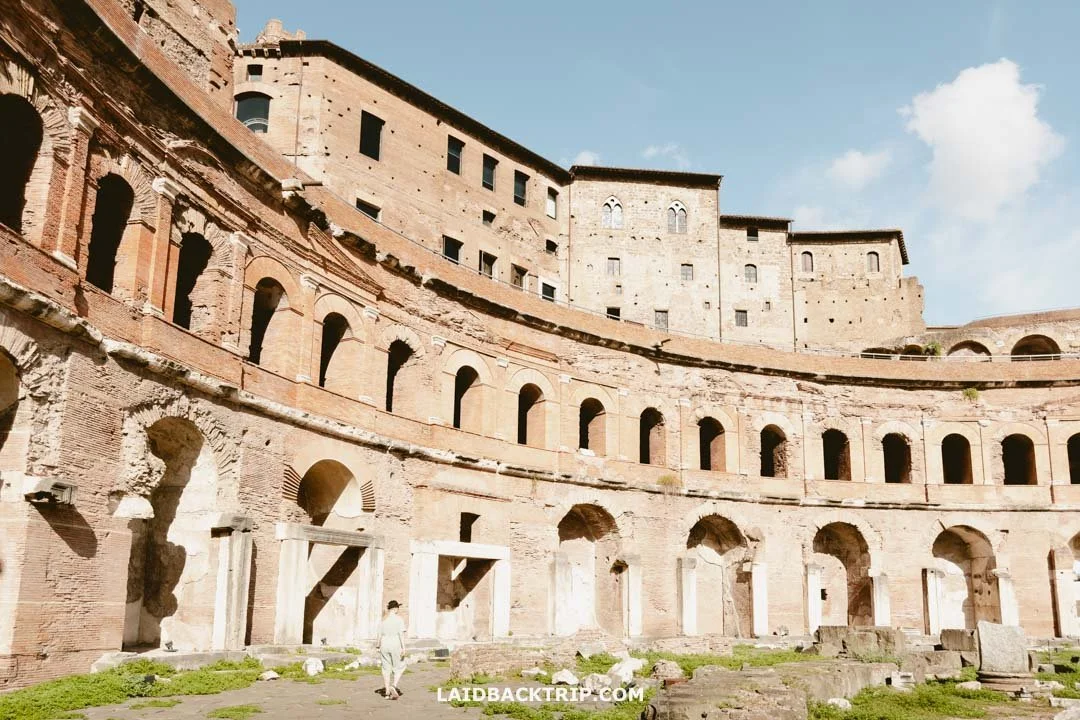
The complex was nearly empty when we visited that day.
The absence of other people truly enhanced the almost mysterious atmosphere. At one point, we encountered another couple who, judging by their expressions, seemed just as lost as we were. As we passed by, they wore the same smiles we had. It was as if we all thought, "I'm not sure where this path leads, but it doesn't matter because I'm having fun."
We didn't really need to bring a guide to Trajan's Forum, since it wasn't hard to figure out where to go next, and we weren't limited by time. There is still a possibility to explore Trajan's Forum with a guide, if that isn't your case at all.
Torre delle Milizie
Every time we saw Trajan's Market, whether from Via dei Fori Imperiali or Palatine Hill, we wondered about the large tower at the very top of the complex. Honestly, we didn't realize it was actually part of Trajan's Market, but that's a story for another time.
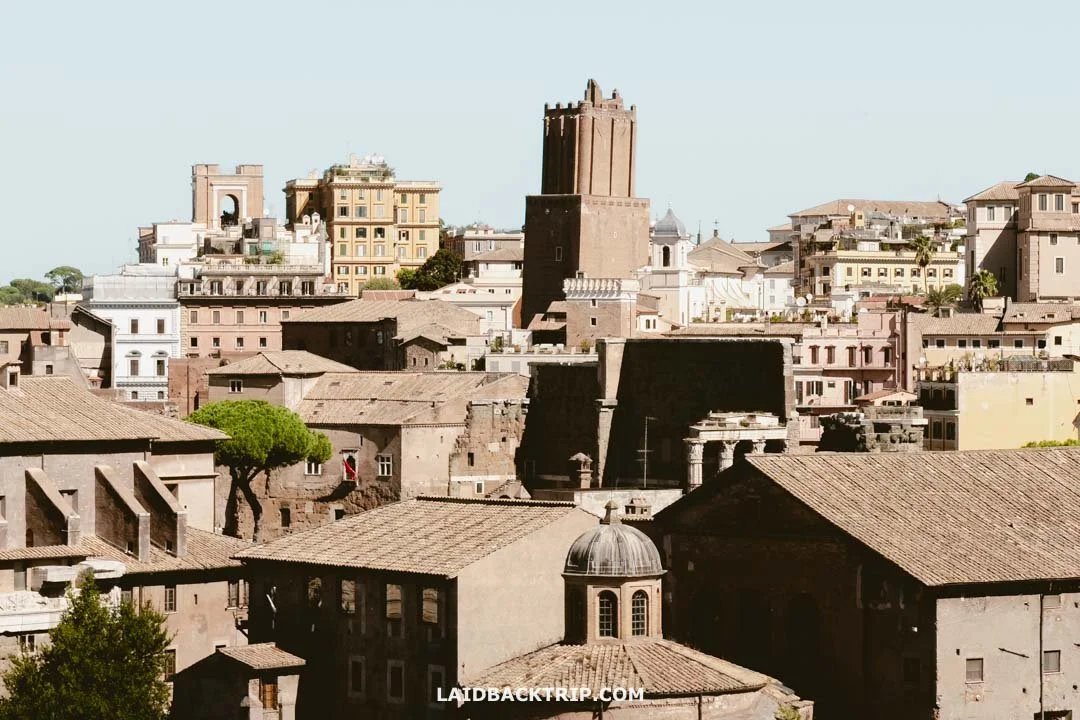
This was the view of Torre delle Milizie that we had from nearby Palatine Hill a few days earlier.
When we finally reached the highest level, we found ourselves at the base of the Torre delle Milizie (known as the Tower of the Militia in English). Up here, we were able to read a bit about its history.
The Torre delle Milizie is a large medieval defensive structure built on the market complex in the late 12th or early 13th century. Over the following decades, it was owned by several powerful Roman families before being acquired in the 17th century by the nuns of the nearby convent of Santa Caterina a Magnanapoli.
Standing right next to it, we could truly appreciate how tall the 50-meter tower was, though interestingly, it used to be even taller. It lost two stories when they collapsed during the devastating earthquake of 1348. After that, the tower gained a slight lean (nothing on the level of the Leaning Tower of Pisa).
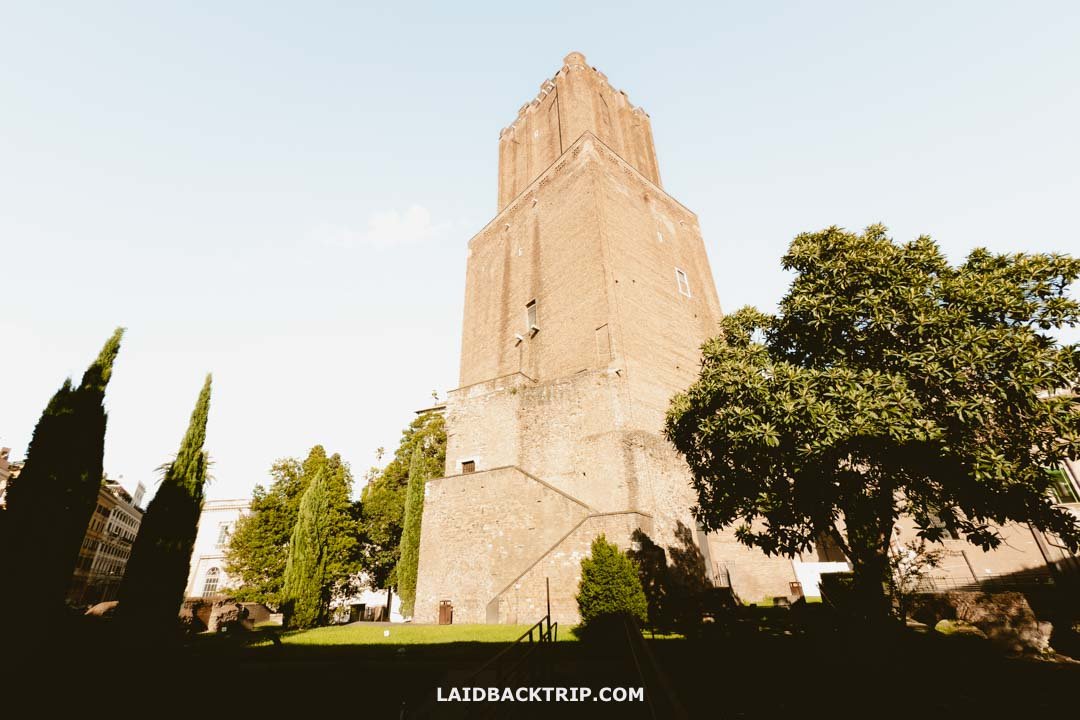
Torre delle Milizie is slightly leaning.
Still, being directly underneath, it was a little unsettling to see this old structure not perfectly straight. Although it didn't seem like it, there was actually an elevator nearby that we took to the ground level on our way to the exit.
No Crowds
I honestly have no idea how many people visited Trajan's Market the same day we did, but the entire complex was incredibly quiet. It was kind of surreal, since we were right next to Piazza Venezia and the Roman Forum (specifically the Imperial section), both packed with visitors. Yet here, it felt as if we were the only ones on site.
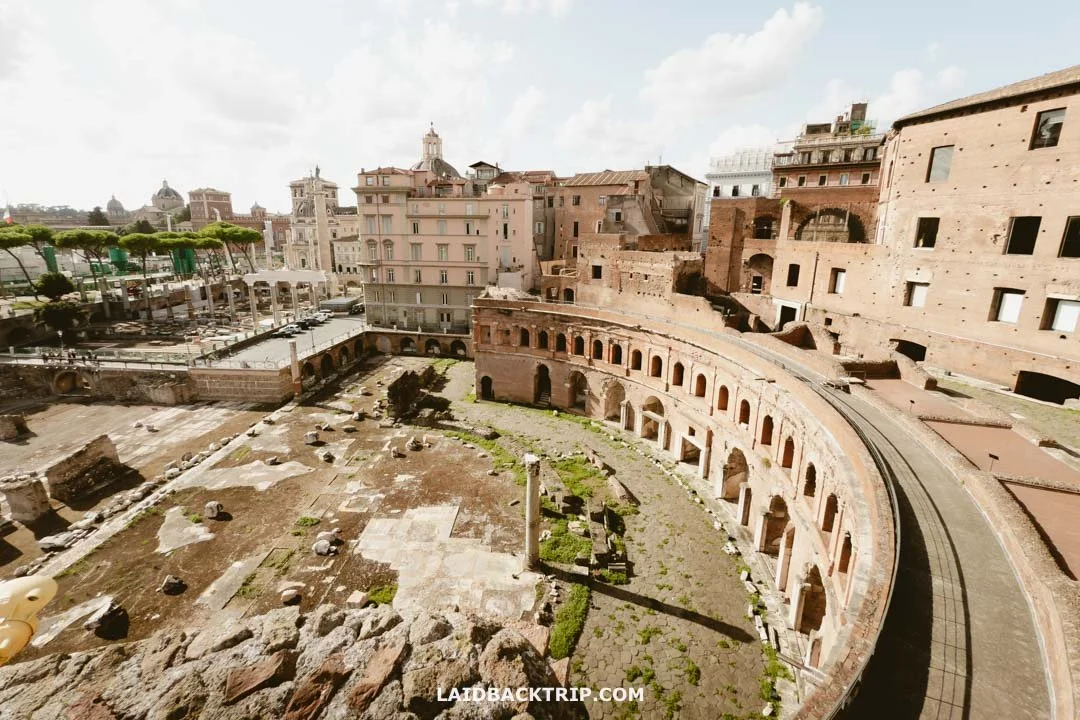
The Trajan's Forum (on the left) was once directly connected to Trajan's Market.
And I'm really not exaggerating. We've visited quieter places like the Baths of Caracalla or the Stadium of Domitian, but none of them felt as empty as Trajan's Market. If we saw more than five other tourists during those two and a half hours, it was a lot. It truly felt as if we had the whole site to ourselves.
I called Trajan's Market "off the beaten path" at the start of this guide, and it really is. Most people do see it, since it's right next to the Imperial Forum, but only from the outside. From what we've observed, just a small fraction of visitors actually go in and explore.
Visiting Trajan's Market at Night
Since we walked along Via dei Fori Imperiali, which connects Piazza Venezia and the Colosseum, several times, we were able to see Trajan's Market from the outside on each occasion. We always stopped to admire it, whether during the day or at night, when the entire site was beautifully illuminated.
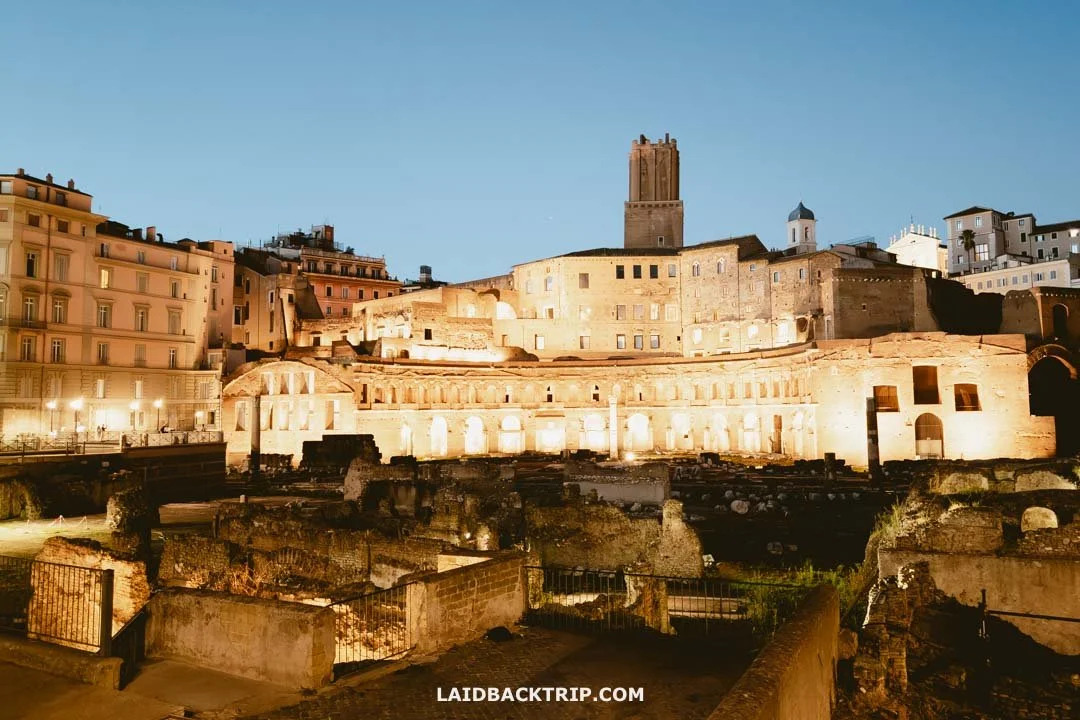
Trajan's Market was stunning even at night.
We enjoyed great views from Via dei Fori Imperiali, but it was also possible to get even closer. Trajan's Forum featured a fantastic walkway that looped around this part of the Imperial complex. Because the path was at street level, there was no charge for entry, and from the eastern side, we were almost close enough to touch Trajan's Market.
When to Visit Trajan's Market
Just to note, we visited Trajan's Market in early September, when all of Rome was still full of tourists. Every place we went, the Pantheon, the Trevi Fountain, was packed. But Trajan's Market felt completely different. Even though we arrived just before 4 PM, we doubt the situation was much different earlier in the day.
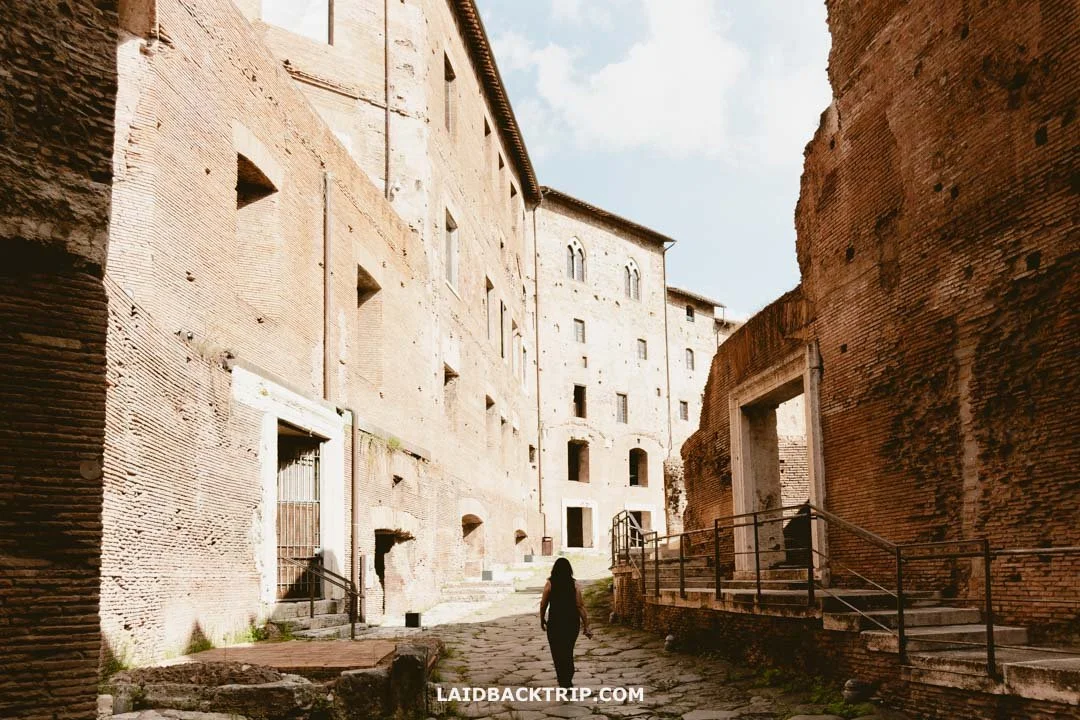
We visited in the afternoon during late summer, and it was still extremely hot.
We visited on a beautiful, sunny, but very hot day. Even in the afternoon, the heat was intense, and exploring the outdoor areas became exhausting, especially since we'd been on our feet since early morning. Fortunately, Trajan's Market offered plenty of indoor spaces where we could escape the sun, so it wasn't as tough as, say, at Villa Adriana or Via Appia Antica.
Opening Hours
Trajan's Market is open daily from 9:30 AM to 7:30 PM. It closes only on May 1st and December 25th. The last admission is one hour before closing time.
Is a Visit to Trajan’s Market Worth It?
For our first trip to Rome with Lucie, we set out to see all the major highlights and, if time allowed, a few of the lesser-known sites like Trajan's Market. We ended up so glad we made the effort, because Trajan's Market truly deserved a visit. The place blended stunning Roman architecture, remarkable artifacts from the Forums, and almost no crowds. In short, it had everything we looked for in ancient ruins.
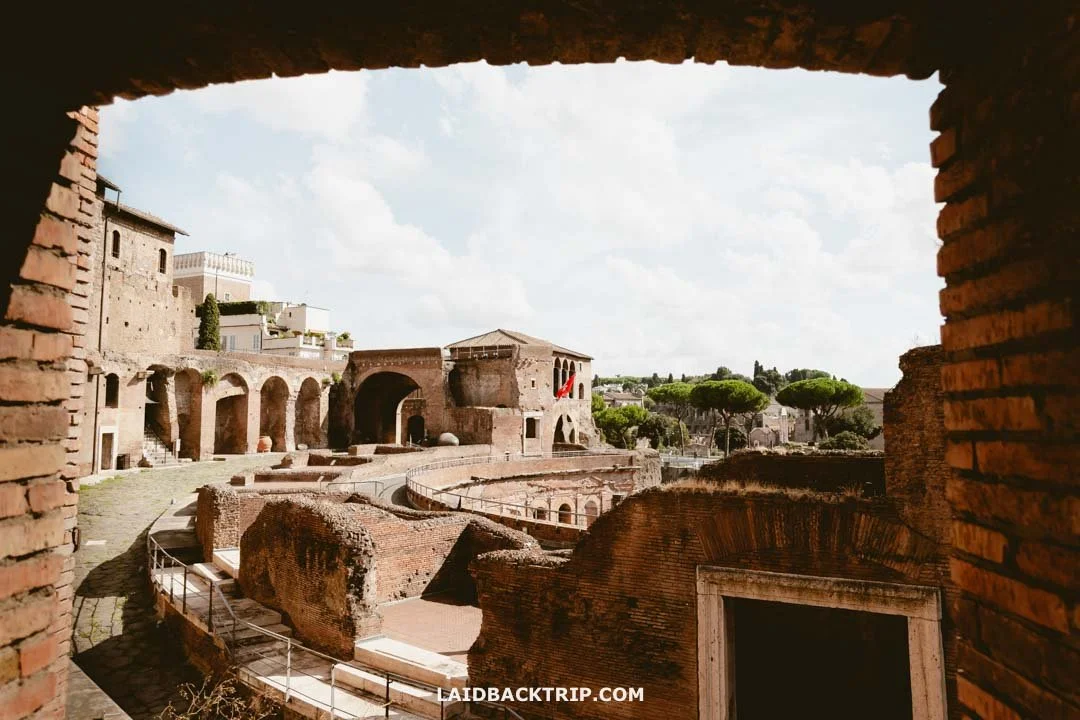
Although Trajan's Market is not very famous, we truly enjoyed exploring it.
We didn't have high expectations for Trajan's Market, but after our visit, we both agreed it was one of the best lesser-known places we explored in Rome. Of course, we were able to visit because we had plenty of time, and if we'd only had two or three days, we probably couldn’t have fit it into our itinerary.
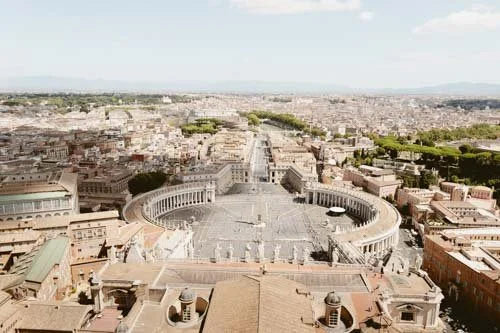

Climb to the top of St. Peter's Basilica's dome for breathtaking panoramic views across Vatican City and the beautiful city of Rome.