Visit Czechia: Essential Tips From a Local
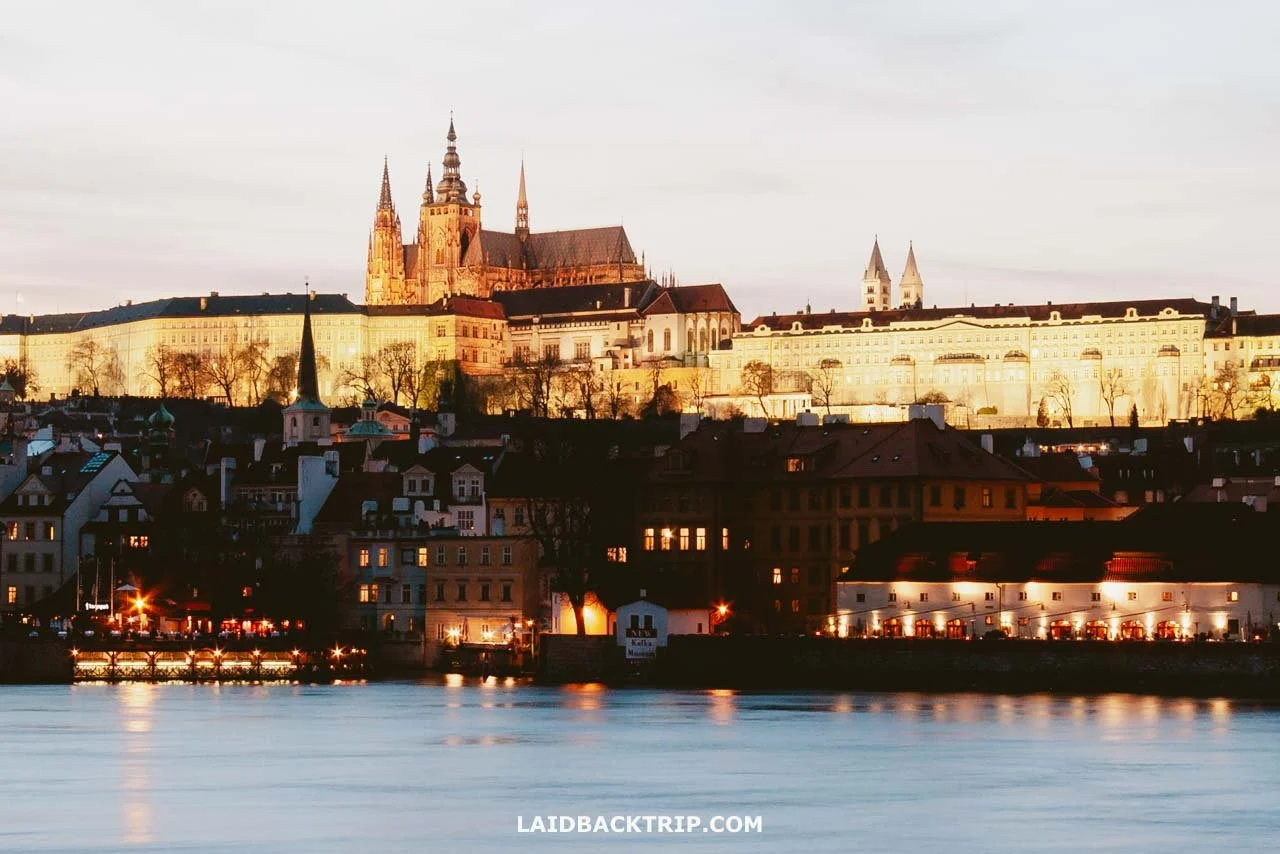
As a local, I've gathered all the essentials you need to know about visiting Czechia for the first time.
Over the years, both Lucie and I have written hundreds of travel guides from our adventures around the world, but none has felt as personal as this one about our homeland, the Czech Republic. We call ourselves a little country in the heart of Europe, but as a nation of over 10 million people with a land area of almost 80,000 square kilometers (that's about the size of South Carolina or New Brunswick for our friends from the U.S. and Canada), we're actually not that small.
And while Czechia doesn't have a sea (which I'll forever be not content with), we do have a one stunning capital, charming medieval towns, 1,200 years of history, roaring pine forests, babbling brooks, hearty food, and the finest beer in the world. Simply, in the words of Rudolf Hrušínský from one of the Czech classic movies: "This isn't a country, it's a little garden!"

Nothing says 'Czech Republic' to the rest of the world quite like a cold Pilsner.
Interestingly, it took us a while to make this guide, and when I think about it, it's because it's much harder to write about a place where you were born, grew up, and spent most of your life. And while these days pretty much every tourist knows Prague, Czechia's capital, whether they've already visited or it's on their bucket list, the rest of the country, with a few exceptions, remains a bit of a mystery for most people (not counting our neighbors, who visit all the time, to be fair). And that's a bit of a shame, because Czechia is truly one of Europe's hidden gems, full of amazing places and people.
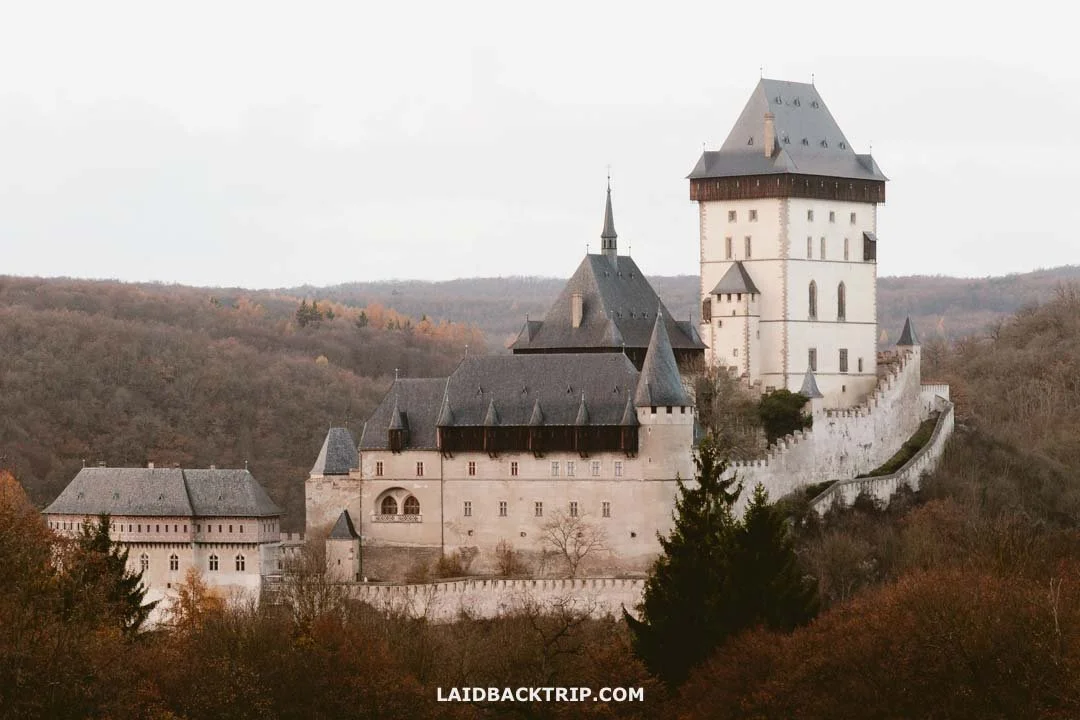
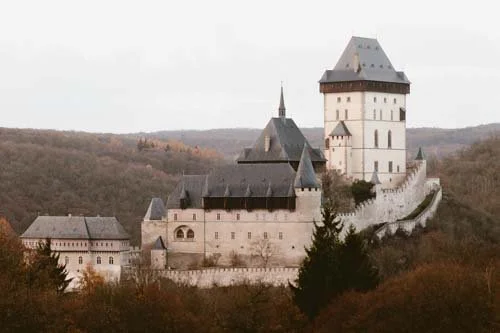
Karlštejn Castle is without a doubt one of the most beautiful places we have in Czechia.
So through the next 8700 words or so, I'd like to introduce you to our beautiful country, and by the end of the post, I hope you'll have a better idea of what to expect if you ever decide to visit the Czech Republic (or Czechia?). That's definitely one of the things I'll take a closer look at, as I dive into our history, language, currency, movies, and even our national sport(s), mushroom hunting (what?), and of course, us, the Czechs. But the main goal is to spark some curiosity about our country and show you that Czechia is not just Prague's Old Town, which, while insanely beautiful, is only a tiny slice of what our country is really about.
Czechia or Czech Republic?
The official name of the country where we live is the Czech Republic, although nowadays you can hear the shorter version, Czechia, more and more often. I remember when they introduced the word Czechia in 2016 as the official name of our country to be used in foreign affairs. I was really curious how quickly it would settle into my vocabulary.
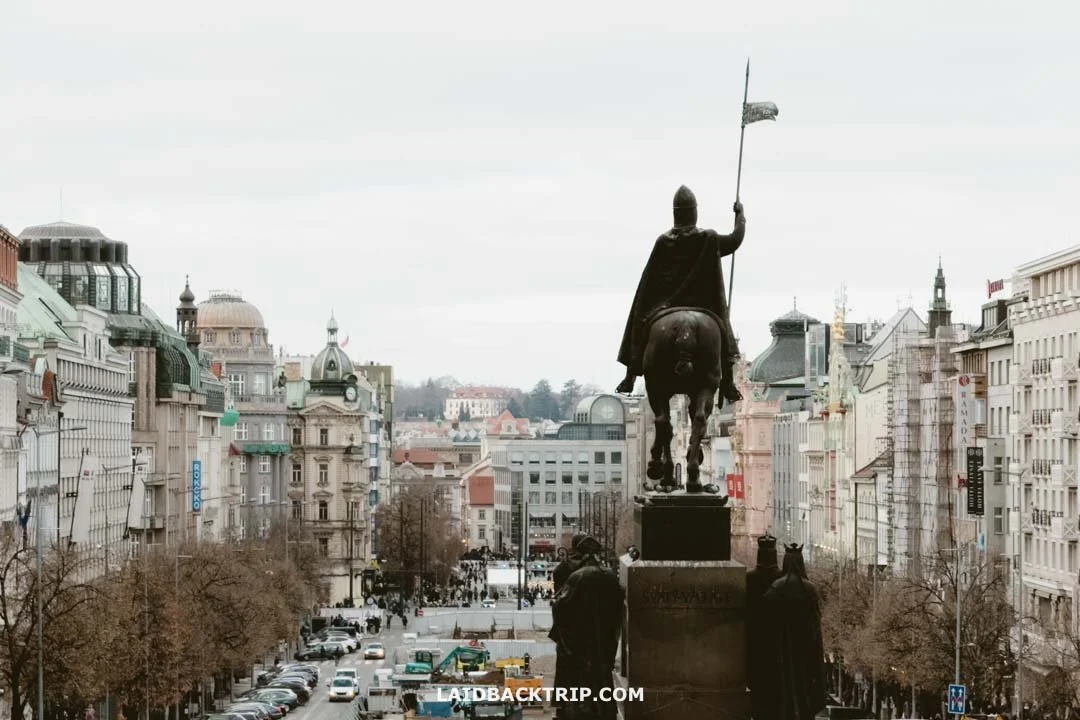
The modern Czech Republic was founded on January 1, 1993, but the history of our nation stretches back more than a thousand years.
At the time, I was very used to saying that I'm from the Czech Republic, but the new name sounded quite catchy, and I gradually started using it more and more. It definitely took me some time to get used to it, but the other day I caught myself using it almost exclusively. It's just quicker and simpler. And from all the encounters I've had, it seemed that the non-Czechs I talked to preferred it too.
I noticed that some people refer to our country as just Czech, but that doesn't really make sense, since Czech is an adjective. Sometimes people just say Prague, but that's mostly because it's the only place they get to see here. When we lived in Calgary, my boss also made fun of people googling our country as Chechnya, which I, of course, found absolutely hilarious. It's like Austria and Australia, with the only difference being that, besides the huge distance between those two countries, you really wouldn't want to end up in one instead of the other.
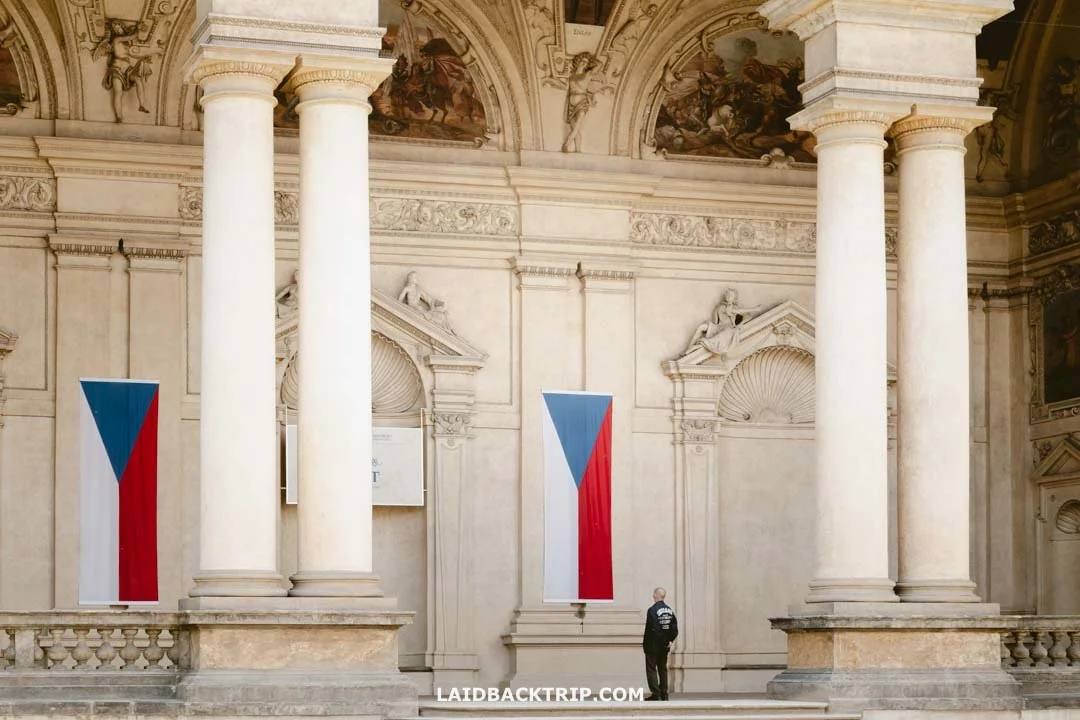
The Czech flag is a blue triangle, white top band, and red bottom band.
Also, we should probably add a note for the older generations: Czechoslovakia doesn't exist anymore. It's been 35 years, guys. I'm still dumbfounded every time I hear it. I was part of that conversation just the other day in Milan, and luckily, I wasn't the poor soul who had to do the explaining. But on the bright side, I have to say it has gotten significantly better over the years. So great job, everyone!
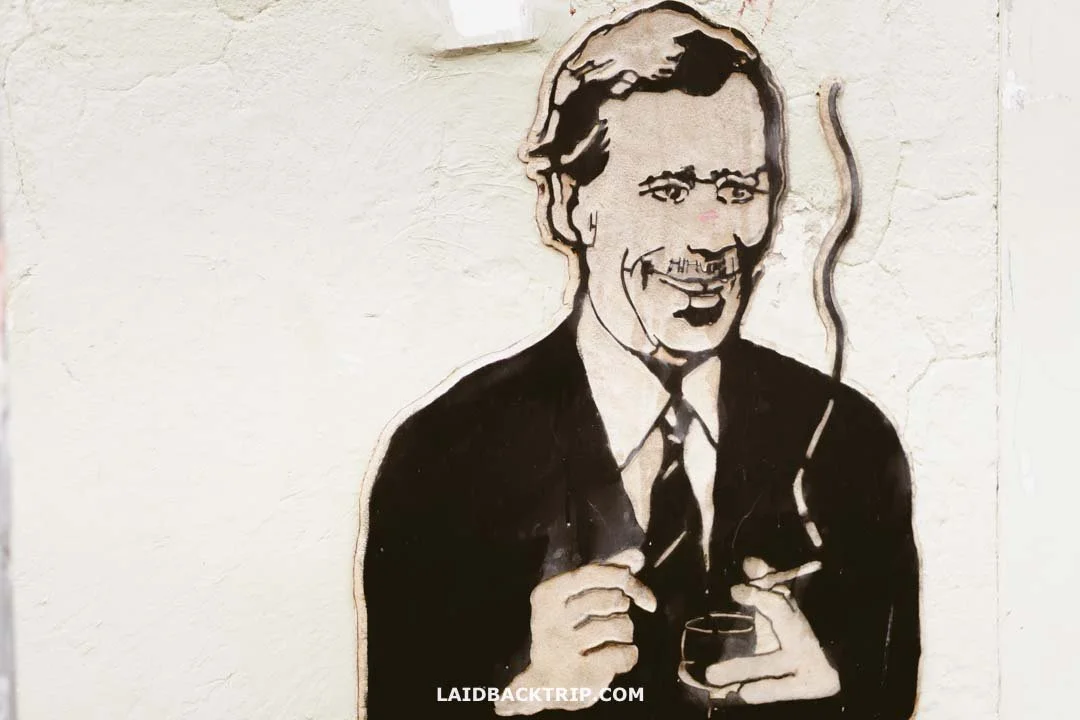
Václav Havel was the first president of the independent Czech Republic.
Czechia Is in Central Europe
As I've said many times, the Czech Republic is located in Central Europe since it literally sits in the heart of Europe, which is also one of our country's nicknames. Given its geographical location and more than 1,200 years of history as an integral part of Europe's central region, this is something that should be pretty obvious. Not just geographically, but historically and culturally as well. And considering what our country had to go through while being locked behind the Iron Curtain, a lot of Czechs find it outright offensive when it gets labeled otherwise.
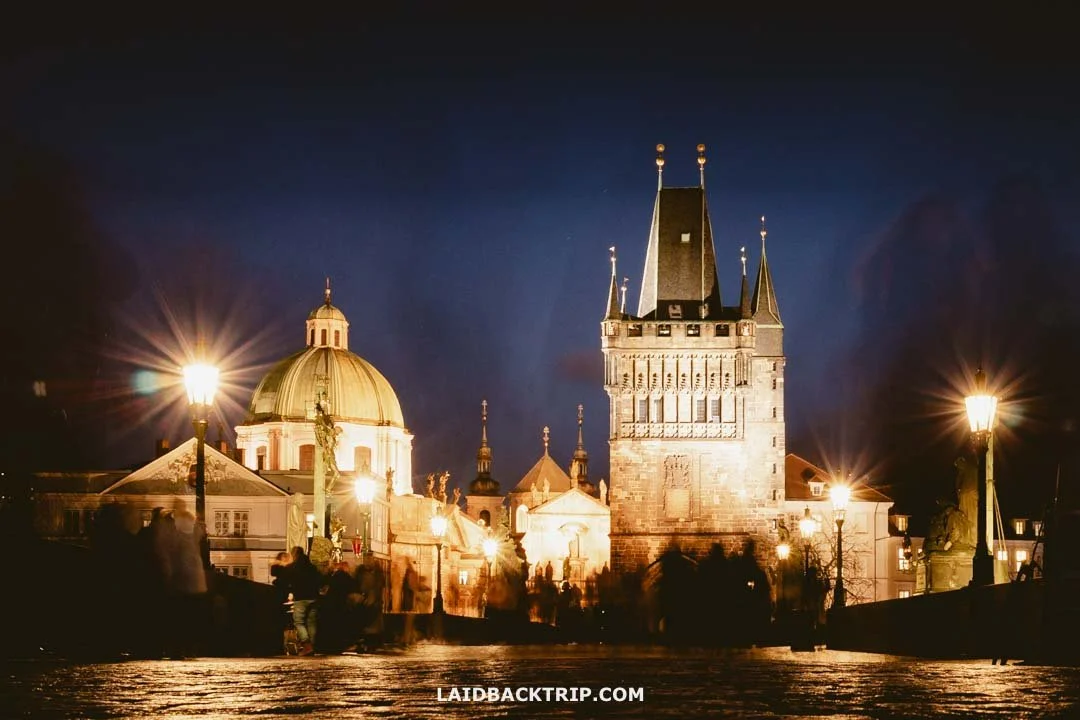
Charles Bridge, one of the most famous landmarks in Czechia, dates back to 1357.
When it comes to the history of the Czech lands, I don't even have to mention that we were a major part of the Holy Roman Empire for over 800 years, and later part of the Austrian Empire for several centuries. If you ever walk across Charles Bridge or visit Charles University, just remember they were founded by Charles IV, the greatest Czech king and also the emperor of the Holy Roman Empire.
His reign was considered the golden age of our lands. Prague was the imperial capital, and he also issued the Golden Bull of 1356 in Nuremberg, which resolved many issues within the empire. By the way, we visited this beautiful city not long ago, and it was amazing to learn about its history in the imperial castle overlooking it.
And when it wasn't Charles IV, the King of Bohemia was still one of the seven electors of the Holy Roman Empire and a key figure in the entire region. Just before World War II, about three million Germans lived in Czechoslovakia, meaning there were actually more Germans than Slovaks in the country at the time. Then World War II broke out, and everything changed for the worse.
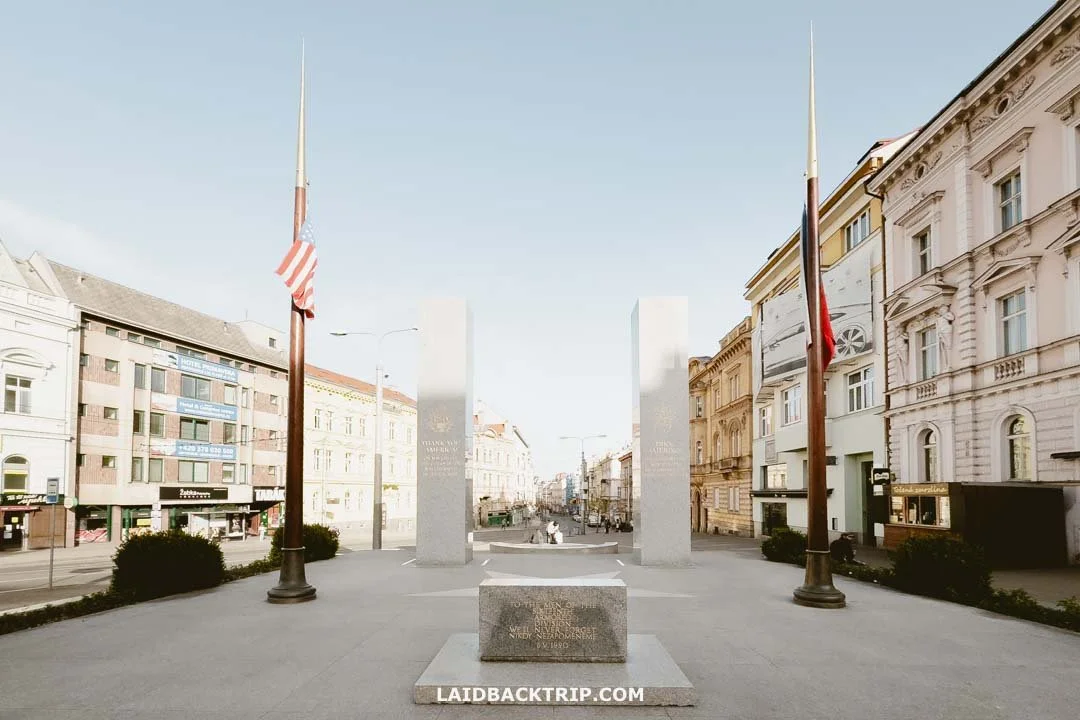
Plzeň was liberated on May 6, 1945, by the US Army led by General George S. Patton.
So just because our homeland was occupied for 40 years between 1948 and 1989 by Soviet Union, it didn't suddenly move east. Prague is still west of Vienna or Graz, just as Pilsen is west of Berlin or Dresden. Would you call Austria or Germany eastern countries? Probably not (and remember, there was also something called East Germany). Those 1150 years of history didn't just disappear either.
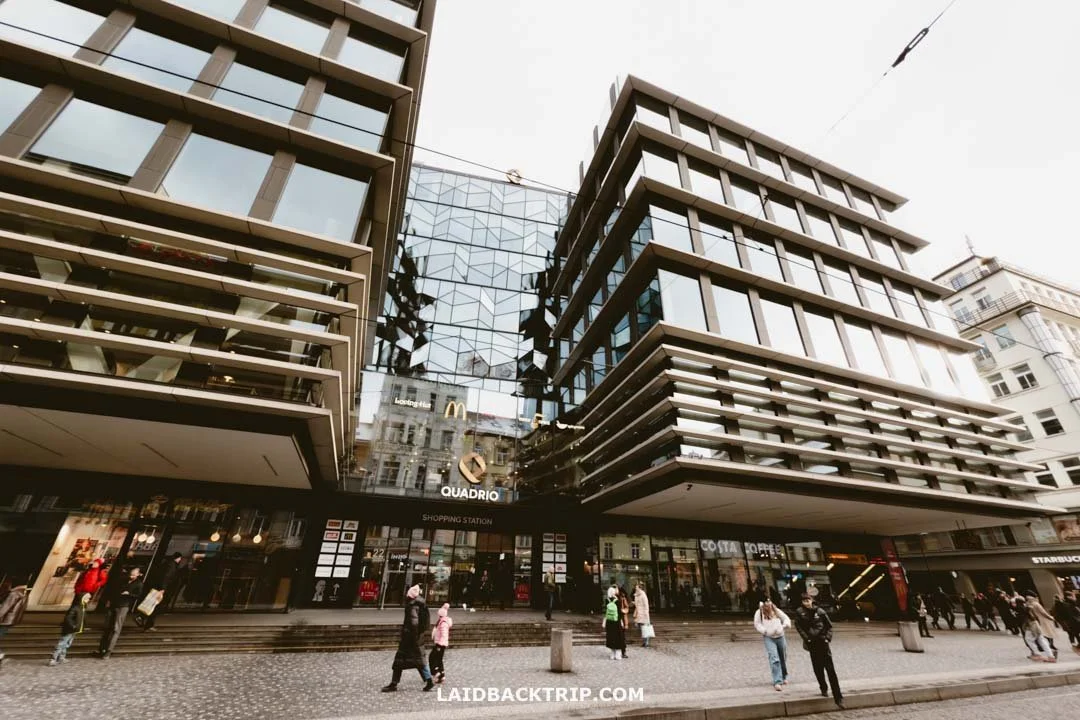
Národní třída is the most significant site of the 1989 Velvet Revolution, which ended 41 years of Communist rule in Czechoslovakia.
Lucie and I were lucky enough to grow up in a free country that belongs to the West, as a member of the EU and NATO, so every time we hear that label, it honestly just shows how little someone knows about our country. Come on, it's not the nineties anymore. It's 2026, thirty‑seven years since the Velvet Revolution! And if the history of the Czech lands is something that interests you, the easiest way to learn more is by visiting the National Museum in Prague.
We Sort of Like (Czech) Beer
Known as liquid bread, or liquid gold, beer is Czechia's national treasure and one of the things our country is famous for worldwide. And we can't blame you, because Czech beer really is the best in the whole wide world. Thank you, we think so too. And we can back this up not just with words but with action, because Czechs consume the most beer per capita in the world. It's one of those records we probably shouldn't be too proud of, but a record is a record, right?
Of course, when I say Czech beer is the best, you probably think of Pilsner Urquell from Plzeň. In 1842, the world's first golden lager was brewed in that city and gave the world its most popular beer style. Other major Czech breweries include Budweiser Budvar, brewed in České Budějovice, and Staropramen, brewed in the capital.
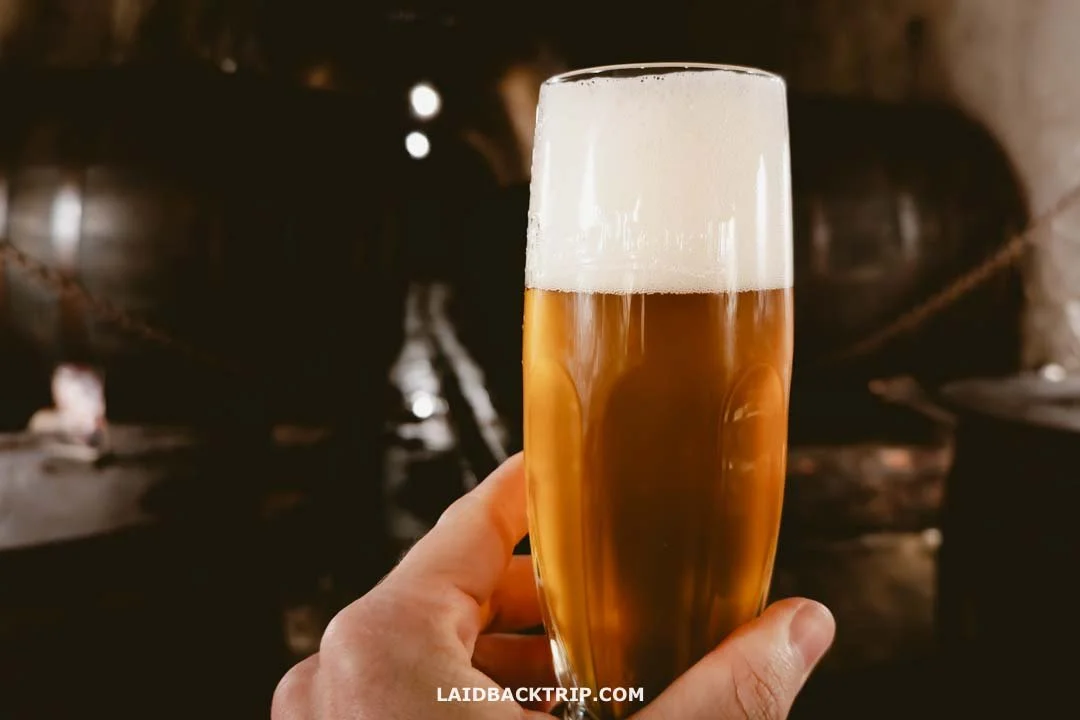
Pilsner is the most famous beer we have in Czechia.
There are also plenty of other breweries like Bernard, Radegast, Kozel, Gambrinus, and many smaller microbreweries that produce some truly amazing beer (especially the seasonal specials). I would recommend trying something from one of those, but a draft beer from the big breweries, poured from a tank, is never a bad choice either.
Not that long ago, beer used to be cheaper than water in pubs. That is no longer possible because the law changed, and now at least one non-alcoholic beverage has to be cheaper. By the way, if you want free water in a restaurant, you need to ask specifically for tap water, which is drinkable pretty much everywhere in Czechia. But as one old Czech song says, water is for frogs, so let's get back to beer.
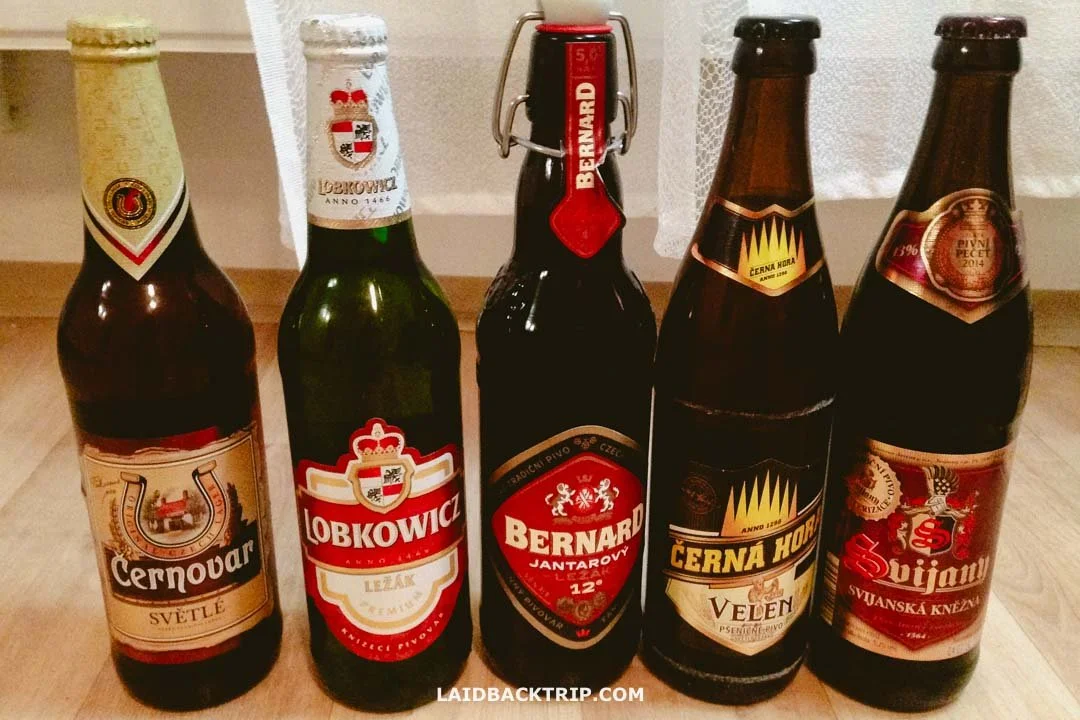
Bottled beer is very popular here too, mostly because it's cheap and easy to find in any grocery store.
Another interesting thing is that because beer is so popular here, it's much cheaper in the Czech Republic than abroad. That is one of the reasons Prague has become such a popular destination for young, promising guys from countries like Great Britain and Germany who arrive in large groups to enjoy our liquid gold. They also never forget to loudly tell everyone how much they are enjoying it, usually around 3 AM. And for that, the locals in Prague 1 absolutely adore them.
On a more serious note, because we are so good at drinking beer, it can sometimes cause friction with our significant others. So our ancestors came up with a clever little trick to avoid trouble at home. When a Czech person goes to the pub, we say "jdu na jedno," which roughly translates to let's go for one. What that one actually means is up for debate. Sometimes it's two or three, sometimes eight or ten, sometimes until closing time. But I can guarantee you it is never just one.
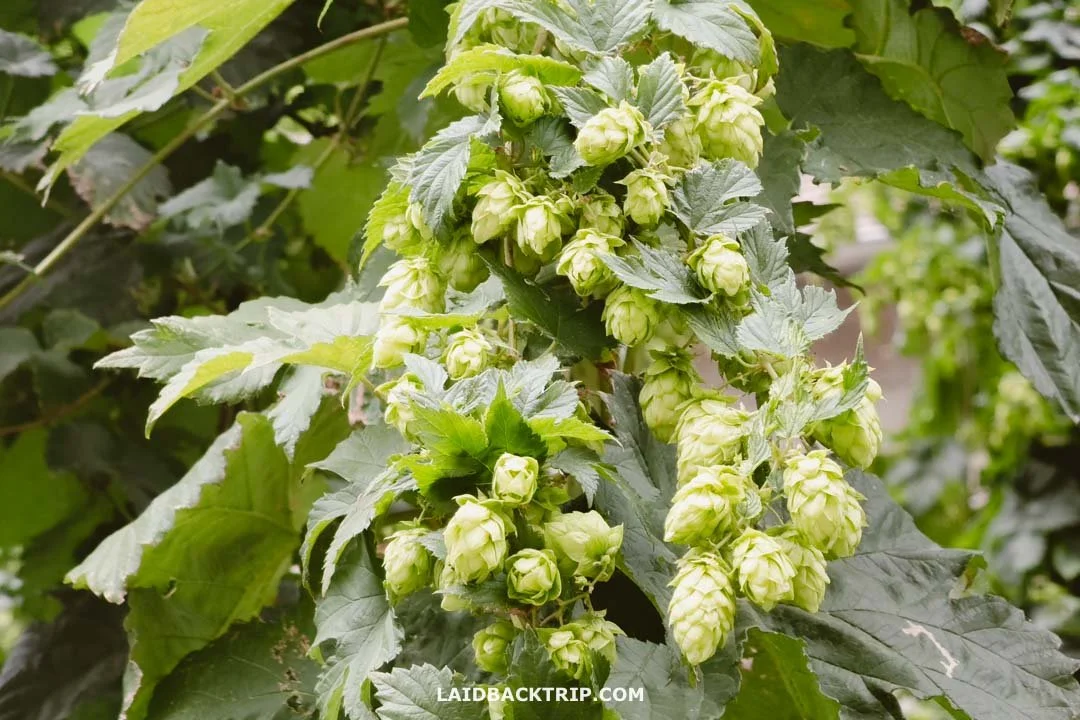
The Žatec region is home to some of the world's finest hops.
That brings me to another thing. The first beer usually doesn't even count because we drink it just to quench our thirst (na uhašení žízně). There is really no deep philosophy behind it. You just get it down so the real drinking can begin. I have a friend who is usually quite thirsty and needs two to do that, but that's a story for another time.
By the way, Czech pub culture (hospodská kultura) used to be huge. But with declining alcohol consumption, rising prices, and the slow disappearance of the classic cheap neighborhood pubs known as čtvrtá cenová, this whole phenomenon is slowly fading. To quote the classics, everything was better back in the day. If your passion for beer goes beyond a normal pub visit, you can tour the Pilsen brewery, join a Czech beer tasting tour, relax in a beer spa, or do a pub crawl around Prague 1 and collect a few more hugs and kisses from the locals.
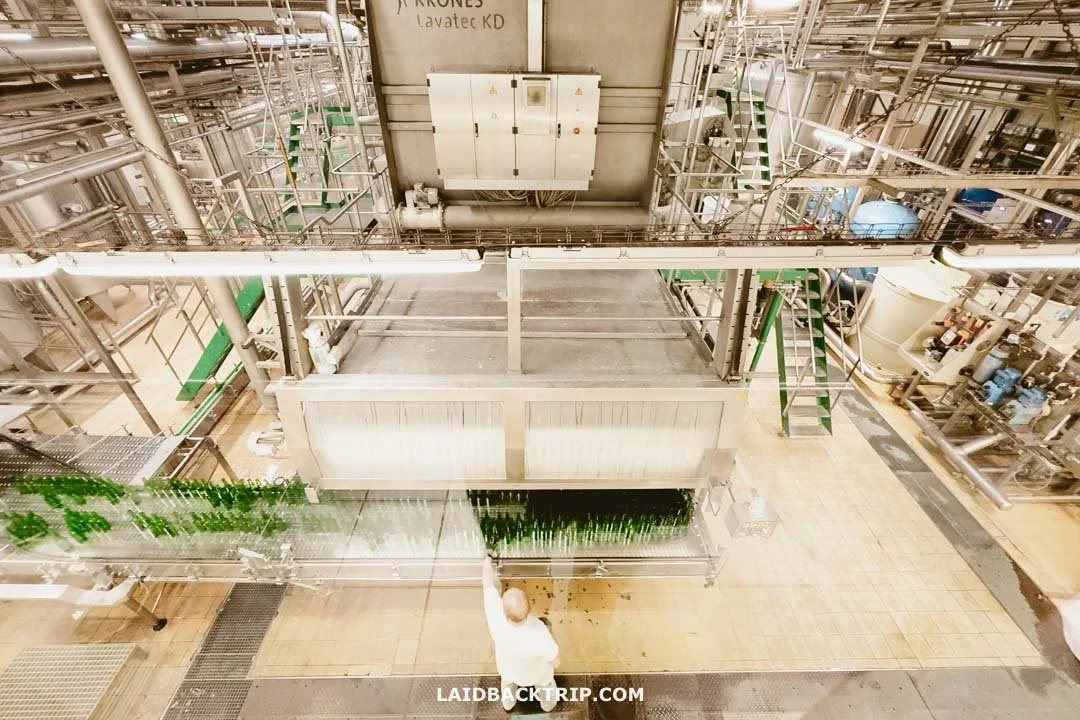
We toured the Pilsner Urquell brewery a few years ago, and it was pretty good.
We Love Ice Hockey
There's little doubt about which sport is the most popular in Czechia, because it's clearly ice hockey. Interestingly, more people actually play football, and it has a bigger fan base, but it's ice hockey that turns the whole nation into fanatics (at least when the national team plays). While the Czech hockey league is quite popular here, along with the NHL, it's the World Championships, held every year, and the Winter Olympics, held every four years, that almost everyone watches, especially when we're doing well (cheering the famous "Kdo neskáče, není Čech!").
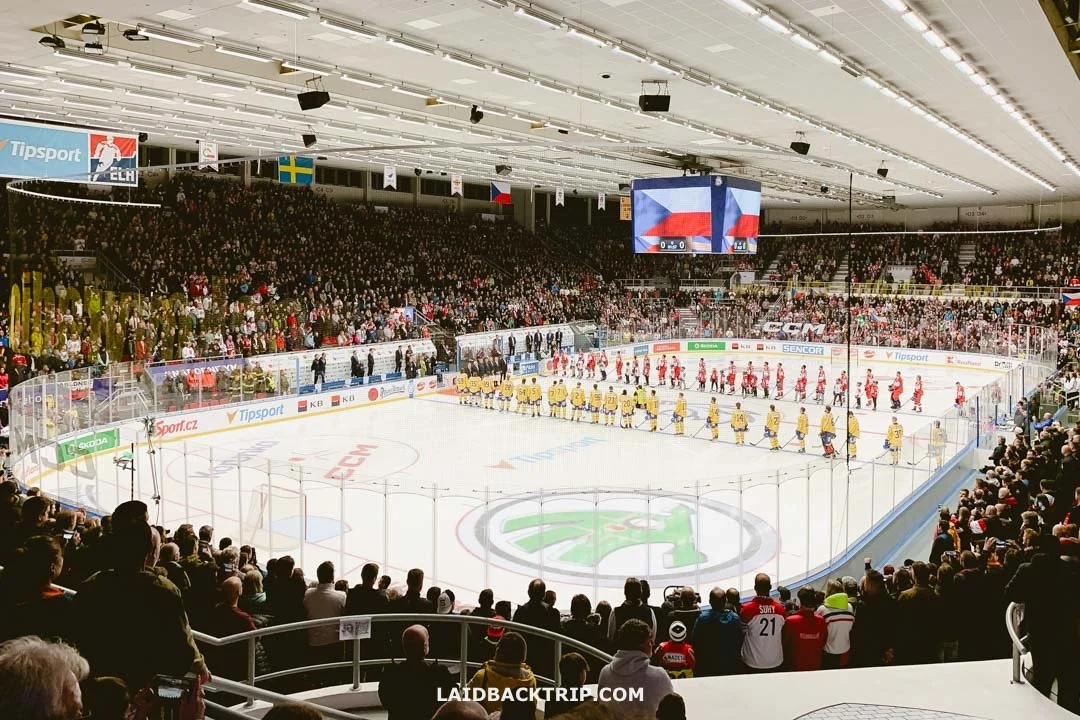
Ice hockey is extremely popular in Czechia.
Our legendary wins include the 1998 Nagano Olympics, followed by the "golden hat trick" at the World Championships in the early 2000s, and most recently the gold medal at the 2024 tournament held in Prague, our home. The final game against Switzerland was watched on TV by almost 4 million people, with a peak audience of nearly 5 million. In a country of 10.5 million, those are just insane numbers. And of course, thousands of fans were going crazy in the stadium, cheering on our golden boys.
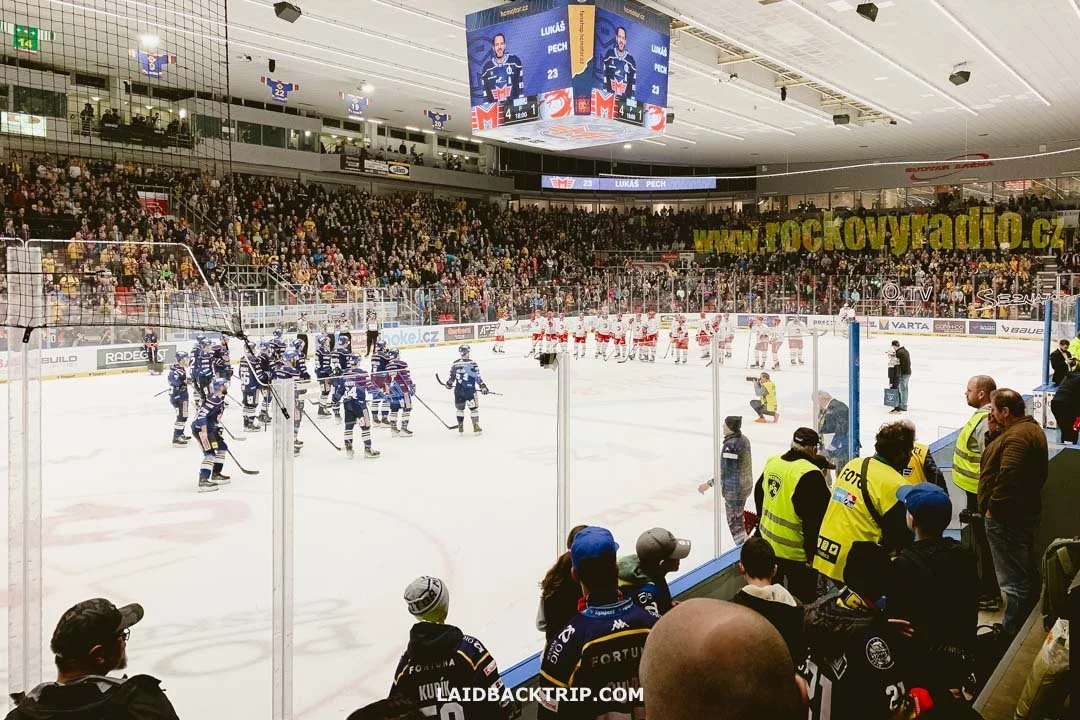
Czech ice hockey games feel very different from the NHL ones I've been to, mainly because of the constant chanting.
We enjoy other sports too. As I mentioned before, football is also extremely popular in Czechia. Players like Petr Čech and Pavel Nedvěd were, for years, among the first names locals mentioned when they asked where we were from. It was pretty amazing to realize people knew about our small country, even in places like Tioman Island or Lake Atitlan.
It really shows how global football is, because the same people had no idea it was David Moravec who scored in overtime to secure our third straight world title, or Petr Svoboda who scored the only goal to beat Russia in the Olympic final. Needless to say, this was quite different when we lived in Calgary, since Canadians aren't exactly bad at hockey either.
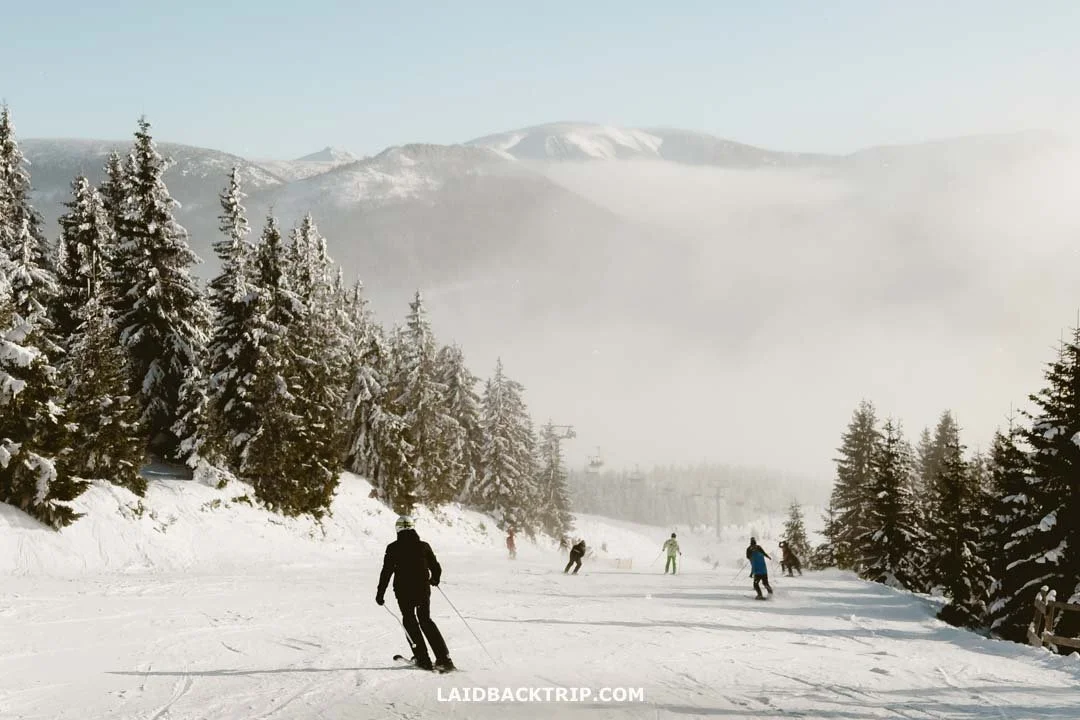
We may not have the Alps in Czechia, but we love skiing anyway.
Besides ice hockey and other popular sports like basketball, tennis, where we have some outstanding women players, floorball, which is basically hockey without ice and much easier to get into, and volleyball, we also love skiing, even though we don't have major mountain ranges, biathlon, mostly watched on TV, though cross-country skiing is common here, and athletics, especially javelin throwing, where we have had great athletes.
These are all popular sports, but back in Czechoslovakia we also had the Pospíšil brothers, who won twenty world championships in cycle ball, making them probably the most decorated athletes we ever had. And if you've never heard of cycle ball before, you're seriously missing out and should definitely give it a try. It's literally football on bikes! (Lucie's note: please don't take Martin too seriously here. Or anywhere in this post.)
The Czech Language Is Quite Hard
We speak Czech in the Czech Republic, and chances are you won't understand a single word here. Some people compare our language to Polish, which is slightly similar, and to Russian, which uses a completely different alphabet. And although the accent and pronunciation of some words might sound similar, we don't understand each other. Some words are similar, but that's about it. Unlike Slovak, which is the closest language to ours, we do understand each other quite easily.
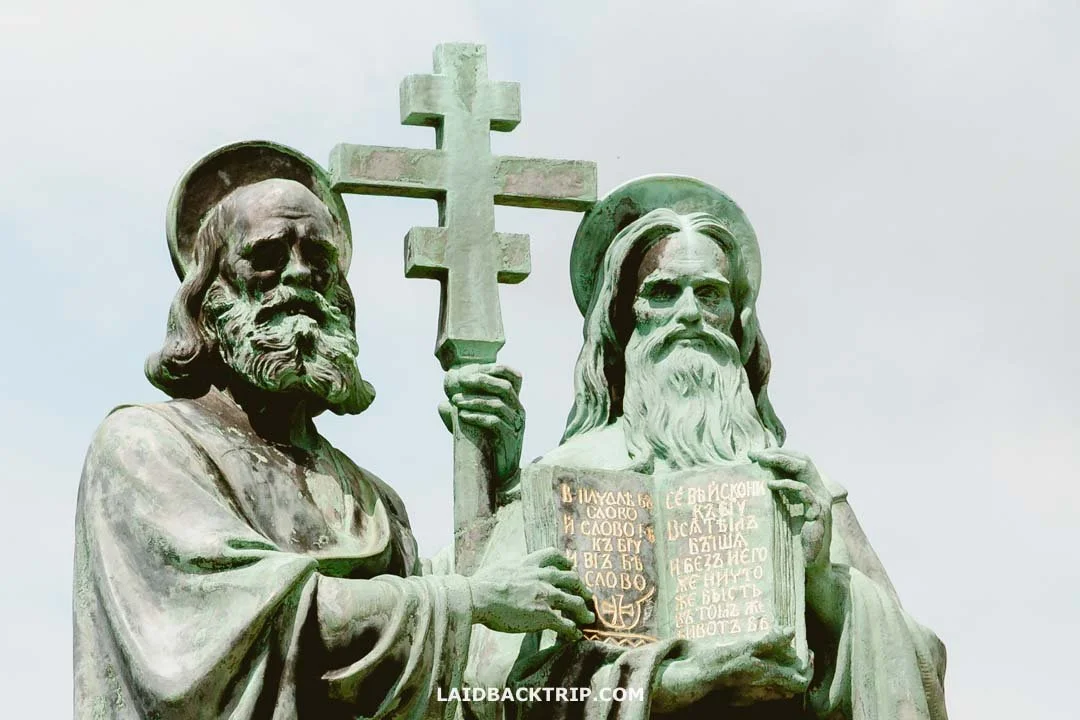
The Byzantine missionaries Cyril and Methodius introduced both writing and Christian culture to our lands in the 9th century CE.
If you want to learn a bit of the Czech language before visiting our country, we salute you because it is quite difficult to learn for foreigners (we find the grammar hard as well, so don't worry). At the same time, we also think it's a complete waste of time (unless you want to live here), because, as I said, you would need to dedicate a lot of time to make it worthwhile.
The biggest obstacle is obviously grammar. Czech has seven cases, verb aspect, and gendered adjectives, so a single word can appear in many forms. And because we use diacritics, our alphabet has more letters than the English one, including our beloved "ř".
Learning a few basics like děkuji for thank you or ahoj for hello is still a great way to connect with us. Czech is not widely spoken worldwide, so we really appreciate it when someone makes the effort to learn even a few simple words. And since you will most likely struggle with the pronunciation, it also works perfectly as an icebreaker for small talk.
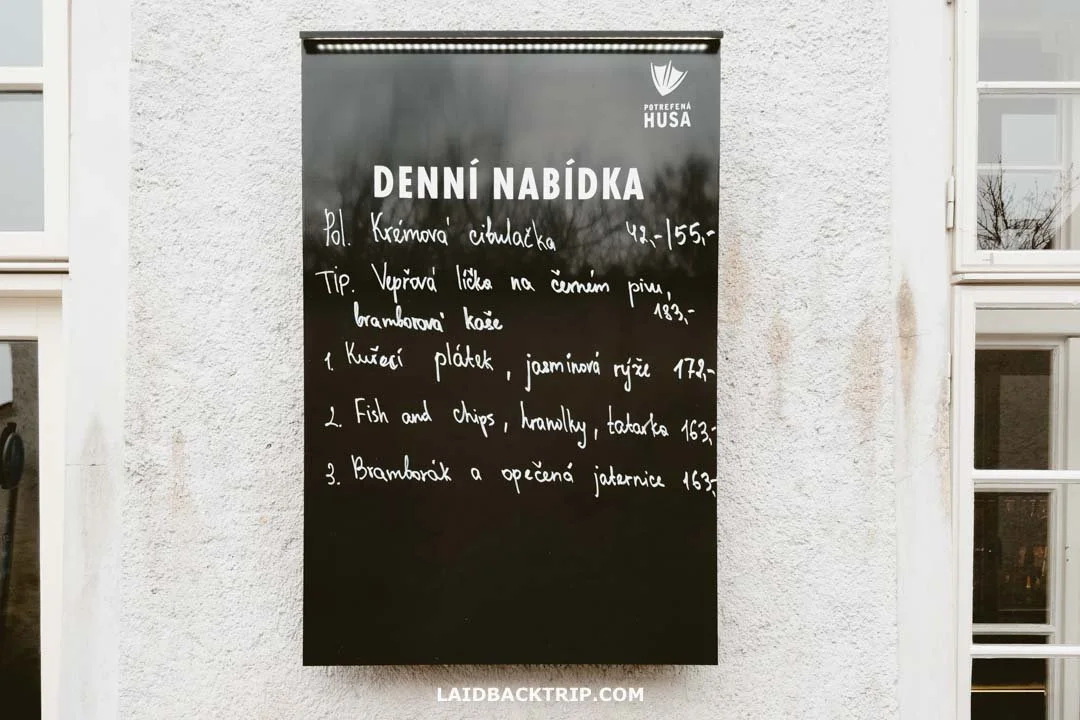
This lunch menu is a good example of how written Czech looks.
A few more words you might find useful when interacting with Czechs are: please - prosím; beer - pivo; and cheers - na zdraví; goodbye - nashledanou. Okay, the lesson is over. The combination of Martin's quick Czech language course for an alocohol enthusiasts, a good translation app, and a Lonely Planet phrasebook will be more than enough to get you through most everyday interactions.
In general, almost everyone working in tourism in Prague speaks English (to some extent), so you don't really need to worry about a language barrier there. Outside Prague, it can get a bit trickier. A good number of people in Czechia, especially younger generations, speak and understand English (and also German, which would be more common around borders).
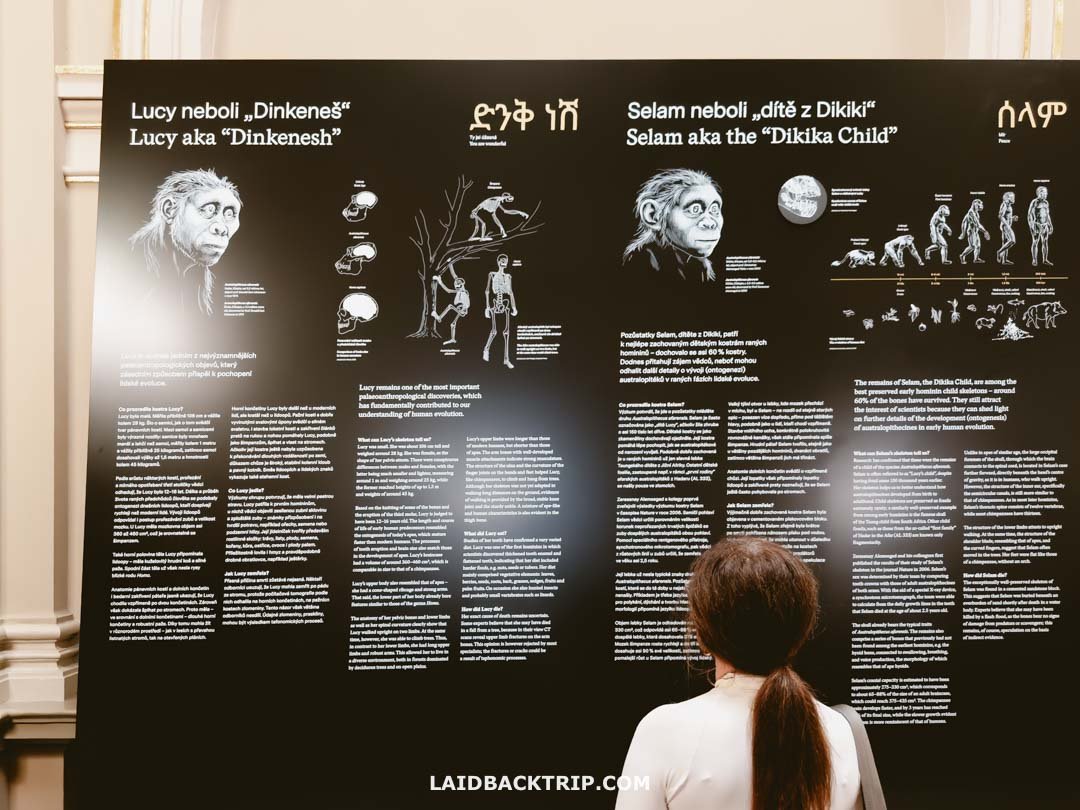
Czech may be hard, but the info panels at major attractions are usually available in English.
But the farther you move away from tourist areas, the less fluent the conversations tend to be. That said, as more people work in tourism, travel, learn languages, and watch TV shows without dubbing, the situation keeps improving. We are still not quite at the level of the Dutch or the Danes, but we are getting there.
And since you seem so interested in our charming language, here's one more fun fact. Unlike English, Czech uses a T-V distinction, which makes things even more complicated. When you try to be extra friendly and use a newly learned sentence, only use the informal T form, ty, with people you know well, like friends or family. Otherwise, it can come across as rude.
If you're not sure, always stick with the V form, vy. But don't worry, this is already advanced territory, and if you mix it up as a non-native speaker, nobody will be offended. Most people will probably just laugh it off and appreciate the effort.
We Still Use Czech Crowns as a Currency
Despite the fact that the Czech Republic has been a member of the European Union since 2004, even after all these years, we still use our own currency, the Česká koruna (Czech crown). The Czech currency, CZK, comes in coins of 1, 2, 5, 10, 20, and 50, and banknotes of 100, 200, 500, 1000, 2000, and 5000. We no longer use cents, which we call haléře, a word derived from the German heller (so all prices are rounded to the nearest crown now).
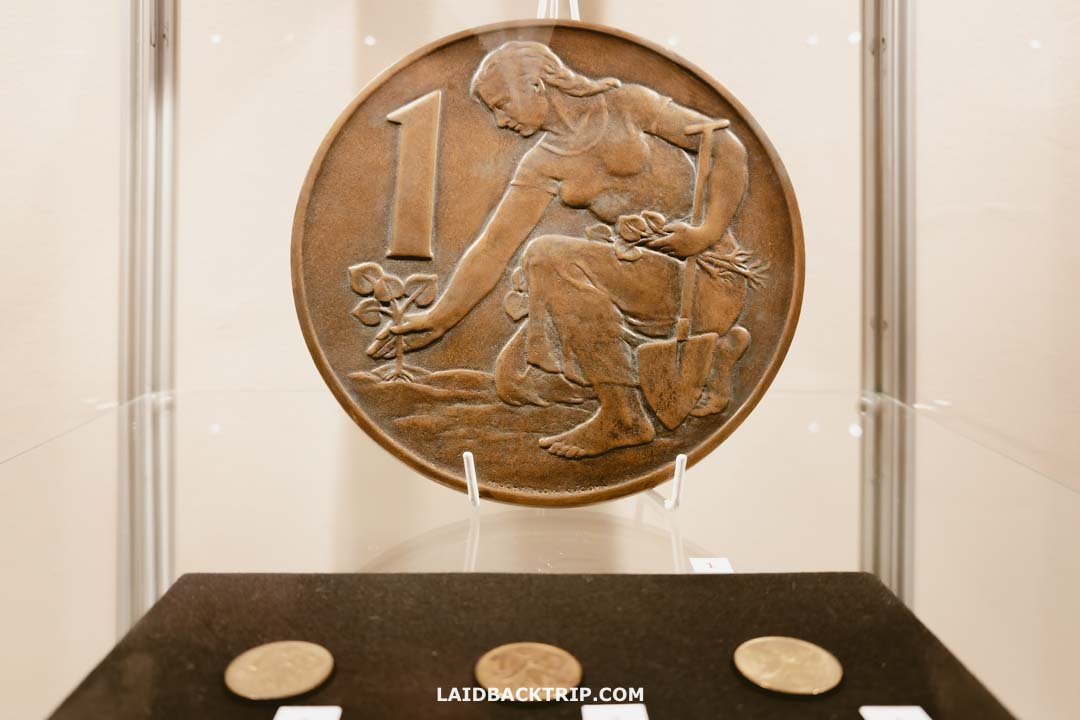
The girl planting a linden tree on the former Czechoslovak koruna was a political prisoner.
Since we travel a lot around Europe, where most countries have already adopted the euro, we're still hoping this might change one day. It's especially inconvenient because three of the neighboring countries that we visit most often, Germany, Austria, and Slovakia, already use the euro, so we have to exchange money when traveling there. Poland, interestingly, still uses its own currency as well.
In many major tourist places across Czechia, you can pay in cash with euros, and sometimes even US dollars, but the exchange rate is usually very unfavorable. So it's much better to withdraw local cash, exchange money online, or simply pay with a credit card.
So what does that mean for you? Honestly, not much. These days, we pay by card almost everywhere in Czechia, including grocery stores, restaurants, hotels, attractions, parking machines, and more. And you can do the same. Of course, it's smart to check your bank's exchange rates and foreign transaction fees, or use digital money transfer services like Wise or Revolut, which we sometimes use ourselves because they offer slightly better rates. Interestingly, most Czechs use debit cards, so the only time you will likely need an actual credit card is when renting a car.

Palladium, right in Prague's city center, is the top shopping mall for tourists in Czechia.
So what about cash in Czechia? As a local, I almost never need it and pay for nearly everything by card. I honestly don't remember the last time I paid in cash. From a tourist perspective, maybe parking at Zvíkov Castle comes to mind. The thing is, I usually avoid places that accept cash only, especially in tourist areas.
Unfortunately, as a visitor, you might run into them more often while traveling around Czechia (like that parking I just mentioned), so I would still recommend carrying a bit of cash just in case. Just don't exchange money on the streets of Prague (unless you're a fan of fake Bulgarian levs) and go to a normal bank (ČSOB, KB, Česká spořitelna, etc.).
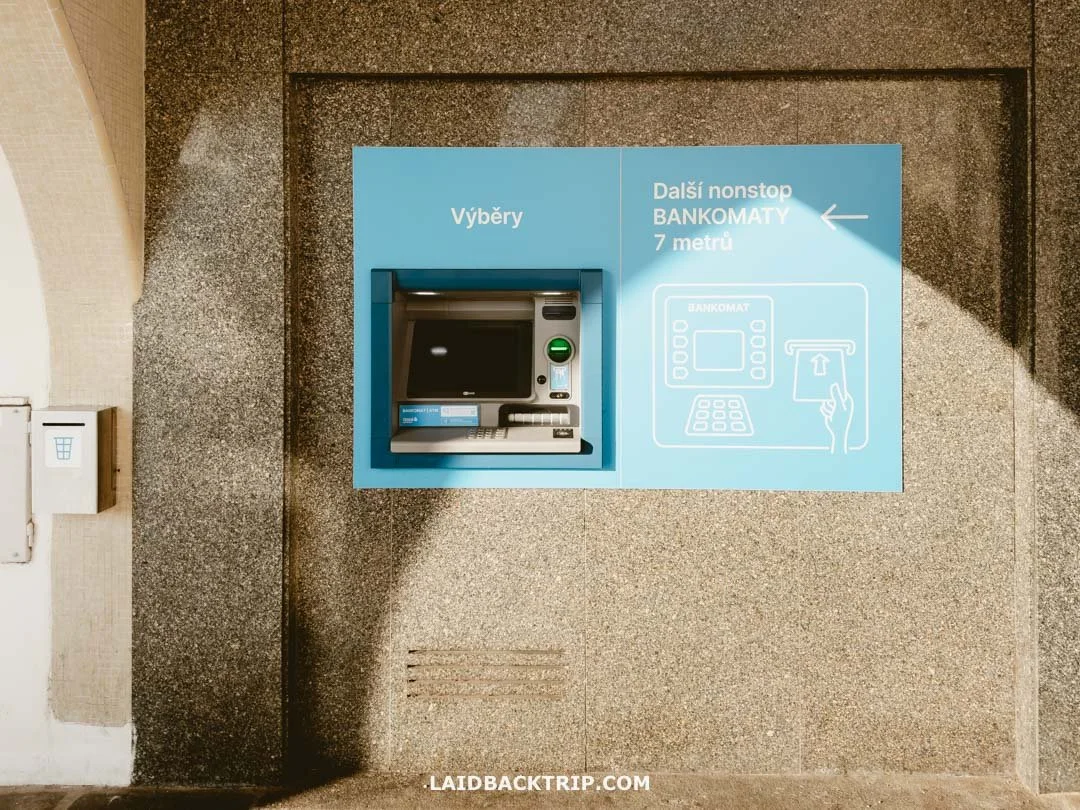
When withdrawing Czech money, stick to ATMs from reputable banks like Česká spořitelna, which is the biggest one here.
But again, this is not unique to our country. I remember that on a recent road trip in Bavaria, the first parking lot at Weltenburg Abbey accepted only cash. And even in nearly cashless Iceland, we once needed coins at a campground for the shower. While these are exceptions, they exist everywhere. For me, as a local, if a restaurant, souvenir shop, or similar place does not accept cards, it's usually a red flag and often a sign of a tourist trap.
Jára Cimrman is the Greatest Czech
Another tidbit we want to share about Czechs is our famous sense of humor. In 2005, which I know feels like ancient history by now, there was a nationwide television poll licensed from the BBC show Greatest Britons, where people were supposed to vote for the greatest Czech in history. The competition was tough, since we have quite a few impressive names in our past.
Some of the most well-known figures included Karel IV, yes, the Holy Roman Emperor I already mentioned, Tomáš Garrigue Masaryk, the first Czechoslovak president, John Amos Comenius, known as the Teacher of Nations, Jan Žižka, the invincible Hussite general, Jan Hus, the religious reformer who was burned at the stake, and Antonín Dvořák, the classical composer. They were all at the very top of the list.
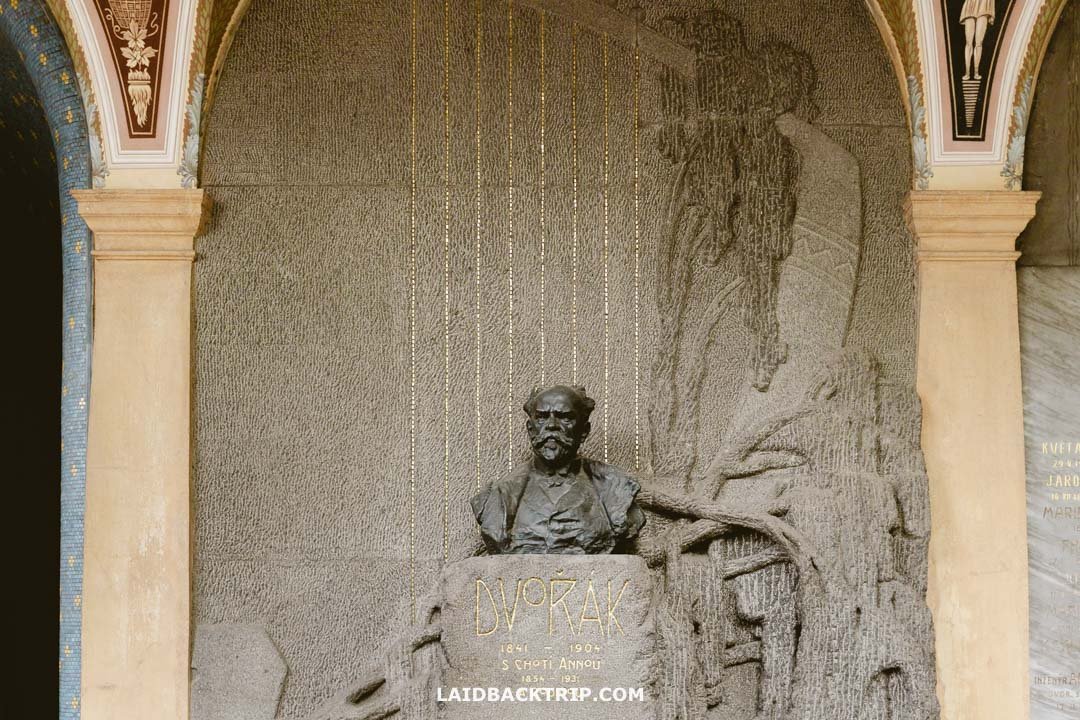
Antonín Dvořák and many other famous Czechs are buried at Prague's Vyšehrad Cemetery.
But the clear winner was Jára Cimrman. A huge victory for him, especially considering he is a completely fictional character. He was created by the people from the Žižkov Theatre of Jára Cimrman and gradually became a major cultural phenomenon in the Czech Republic. His life story is set during the Austro-Hungarian era, where he appears as the ultimate underdog, a genius in virtually every field and the true inventor behind many groundbreaking discoveries.
The only problem is that he is never recognized, usually because he is just a little too late. Just like in that TV poll, where he was eventually disqualified, and some guy named Karel IV ended up winning instead. We absolutely love his plays and highly recommend seeing one if you want to understand classic Czech humor and, of course, us. Thanks to an English theater, you can even watch some of them in English. We suggest starting with Záskok (The Stand-In) to find out whether Čeněk has any talent and if Vlasta is really Vlasta.
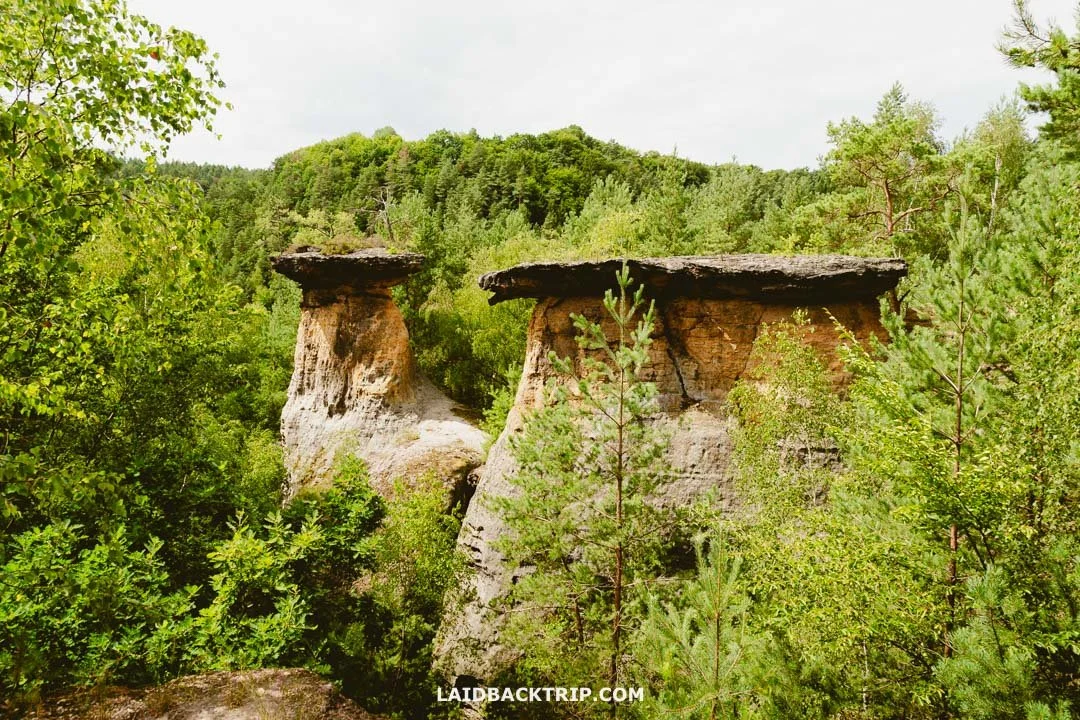
Jára Cimrman passed away on his way through Kokořínsko, which is, by the way, one of the most romantic places in Czechia.
Another example of Czech humor we adore comes from the comedy duo Šimek and Grossmann. Their absurd short stories are incredibly funny. That said, their work can be difficult to fully appreciate without knowing the historical context of Czechoslovakia from the 1950s to the 1970s and a perfect knowledge of the Czech language. And to make things worse, I don't think their material was ever properly translated into English.
Czech humor wouldn't be complete without mentioning Jaroslav Hašek and his immortal Švejk, who embodies our talent for using irony, sarcasm, and dark humor to survive absurdity with a straight face. He refuses to take power too seriously, and it's no surprise that the word "švejkování" has become firmly rooted in every Czech vocabulary.
Trains in Czechia Are Better Than We Think of Them
If you plan on exploring Czechia more extensively, even just on a few trips from Prague, chances are you will end up taking a train to your destination. And if you never talk to a Czech about it beforehand, you will probably find the service really good, reliable, and cheap. You will most likely even arrive on time, assuming there is no major incident. So what is so unique about traveling around Czechia by train?
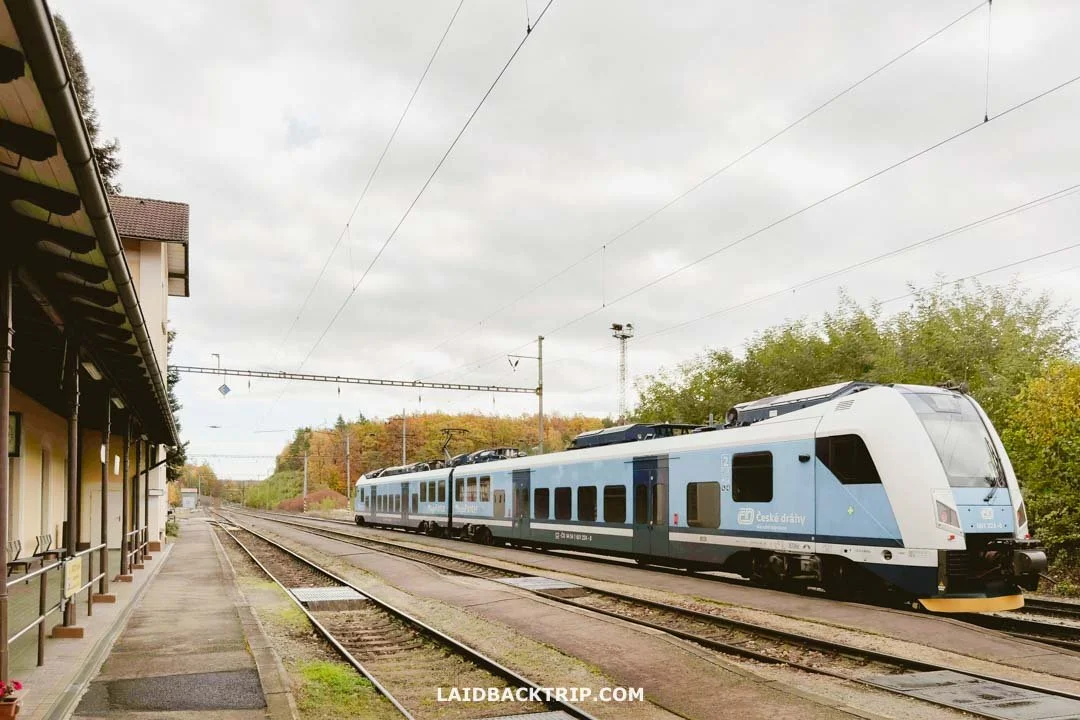
Traveling by train is an affordable and reliable way to explore Czechia.
If you do mention it to a local, you will probably get a sarcastic response about how late you will arrive, or at the very least a sympathetic pat on the back. The main train operator is the state-owned České dráhy, which we jokingly call "času dost" instead. It roughly translates to plenty of time, meaning we have all day for this little adventure. Since Czech is quite playful, the abbreviation ČD can also be twisted into phrases like "čekáš dlouho?" meaning "been waiting long," or "čekej dál," which means "keep waiting". I think you get the point.
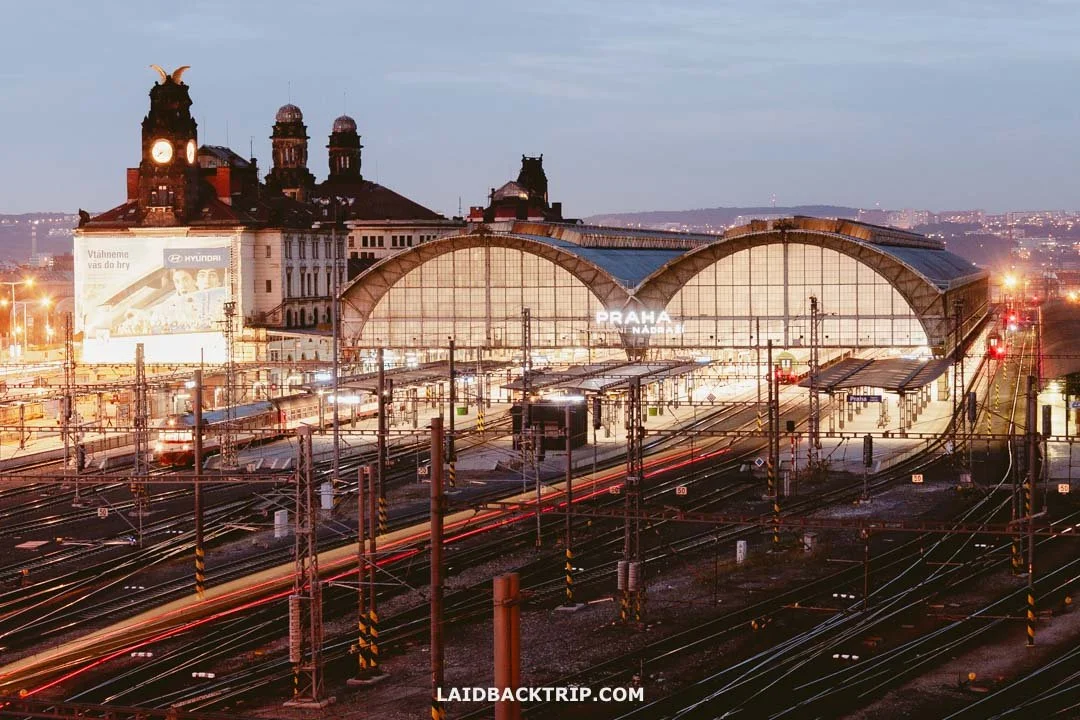
By taking a train from Prague's main station, you can easily explore half of Czechia on day trips.
We currently do not have true high-speed trains, but since the country is relatively small, it is not a huge issue. Probably the biggest advantage of our railway network is that it connects not only every major city but also almost every small town (and village). While we do not use trains as often as we did in our college days, we still rely on them quite a bit. For instance, when we visit Lucie's relatives in Ostrava, taking the train makes much more sense than driving on the D1 highway. By the way, besides České dráhy, Czechia also has private rail operators like RegioJet and Leo Express.
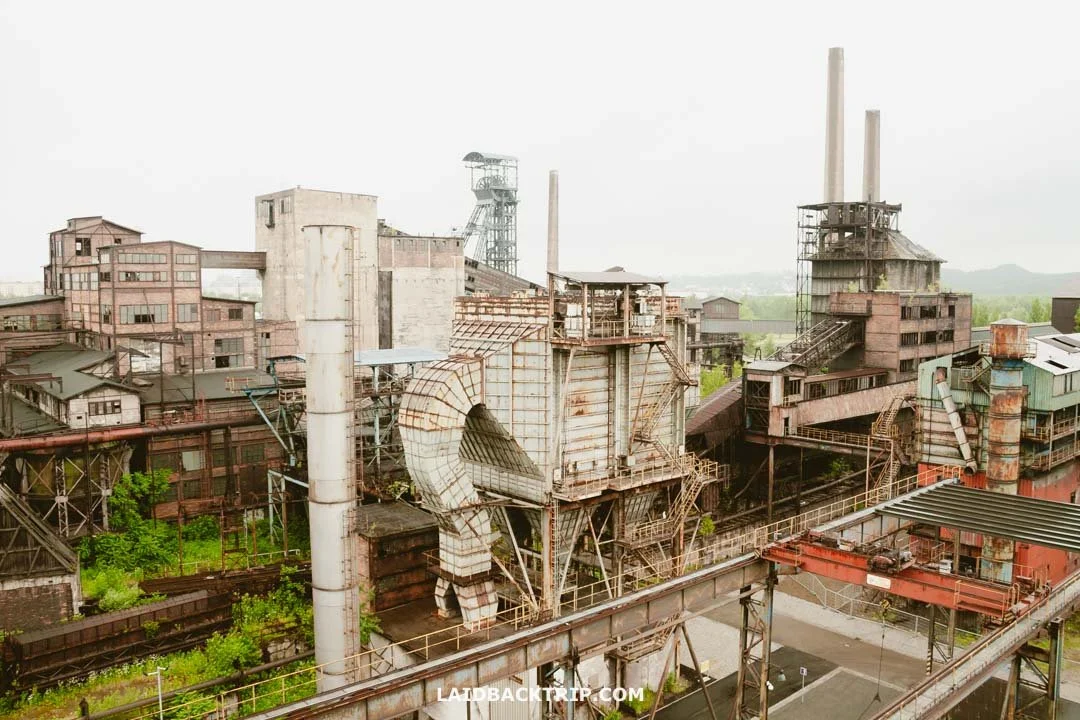
Whenever we go to Ostrava, we take the train instead of driving from Prague.
Our all-time favorite for short adventures is the small train between Tábor and Bechyně, known as the Bechyňka or Elinka. It was the first electrified railway in Czechia (it opened in 1903), and it makes for a nice little adventure. Some of the most romantic train rides in Czechia are the Posázavský Pacifik (through the Sázava Valley), the Kořenovská zubačka (Kořenov Cog Railway, the steepest track in the Czech Republic), and the Šumava Express.
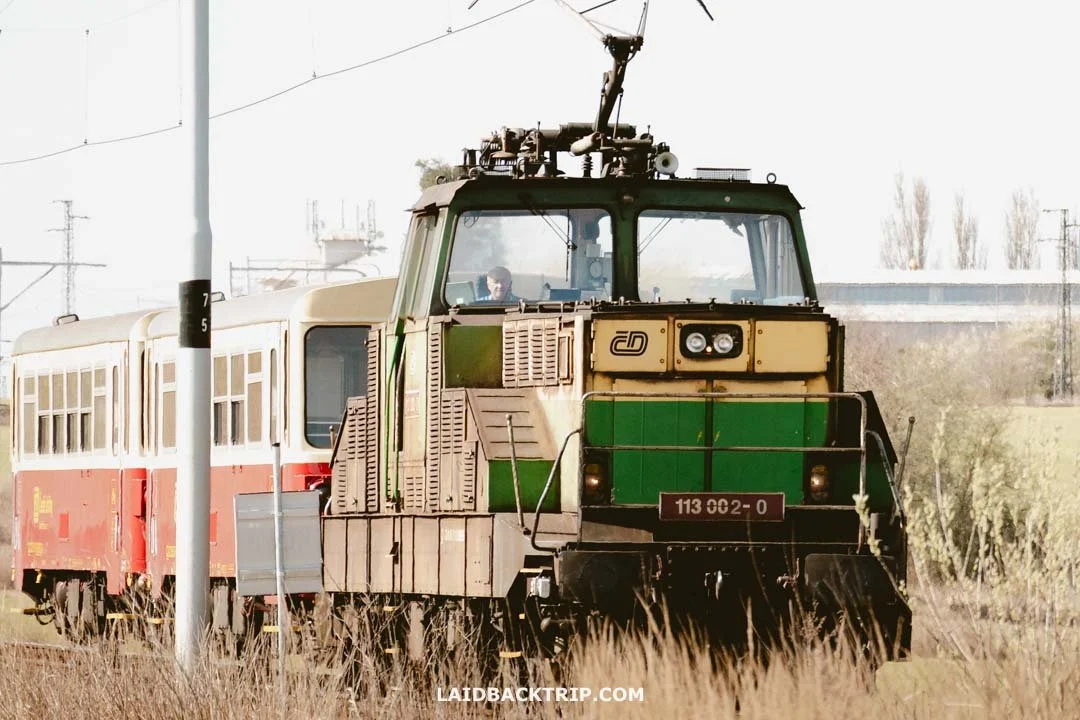
Bechyňka is one of the most famous train rides in Czechia.
Our Favorite Czech Movies, Music, and Literature
Now that we've touched on getting to know us better, the easiest way is to dive into some of our most popular culture. Of course, we won't limit ourselves strictly to modern Czechia, but also look back at Czechoslovakia and even the Austrian Empire, since those eras are full of classics, too. For us, the simplest way to explore another culture is through movies, so we'll start there.
There are tons of amazing films produced in the Czech Republic, so I definitely won't mention all of them, because that would take a while. There's no better place to start than with one of the most beloved movies of the modern era, Pelíšky, known in English as Cosy Dens. This tragic comedy is packed with iconic lines (olovo, volovo) that pretty much everyone here can quote. It's not high art cinema like some of the films I'm about to mention, but it's funny and very easy to watch. At least if you treat it as a light comedy, because the more you think about it, the more tragic it actually becomes.
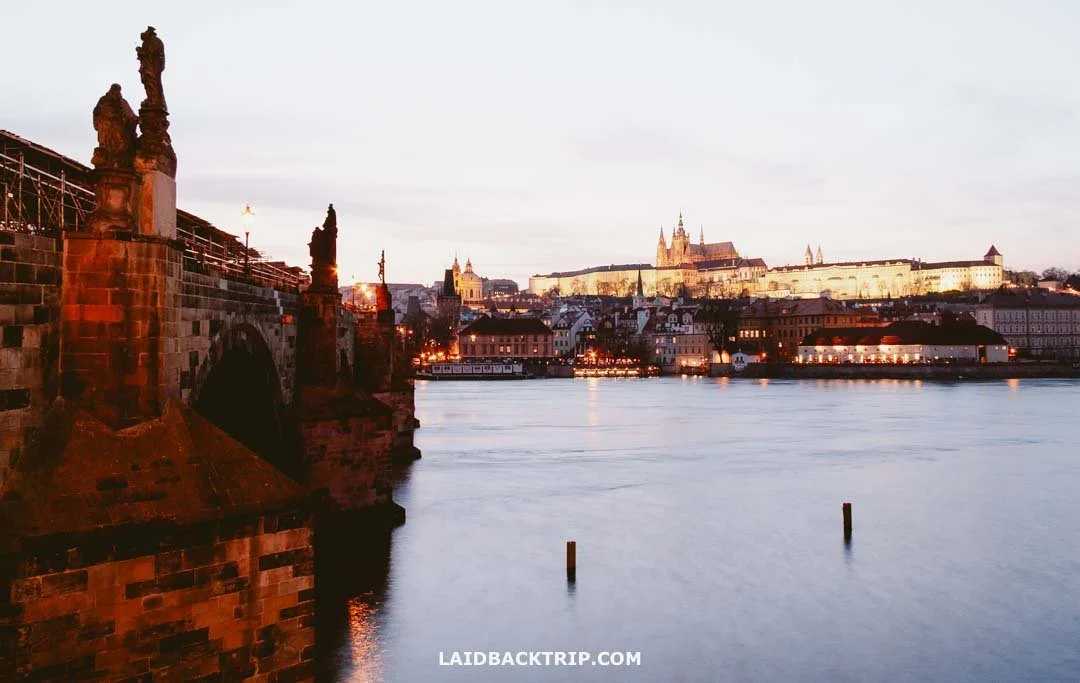
Many Hollywood films were shot in Czechia, Prague in particular, including Mission: Impossible, Casino Royale, and The Bourne Identity.
Ostře sledované vlaky (Closely Watched Trains) won an Oscar, as did Kolja( Kolya), and both are excellent films. Other Czech classics like Spalovač mrtvol (The Cremator) or Obchod na korze (The Shop on Main Street) are also worth watching. I can't skip Hoří, má panenko (The Firemen's Ball) directed by Miloš Forman, whom you might recognize as the director of One Flew Over the Cuckoo's Nest and Amadeus.
There's also some really amazing literature made in the Czech Republic. Authors like Franz Kafka, Milan Kundera, Bohumil Hrabal, and Čapek are all pretty famous. I like all of Franz Kafka's work, but The Castle (Zámek) is my favorite, though I admit, Metamorphosis (Proměna) is probably easier for first-time readers as it's much shorter. Bohumil Hrabal's books, like Too Loud a Solitude (Příliš hlučná samota) or I Served the King of England (Obsluhoval jsem anglického krále), are pretty famous, not to mention that he's also the author of the novella Closely Watched Trains (yes, the same that was later filmed and got an Oscar).
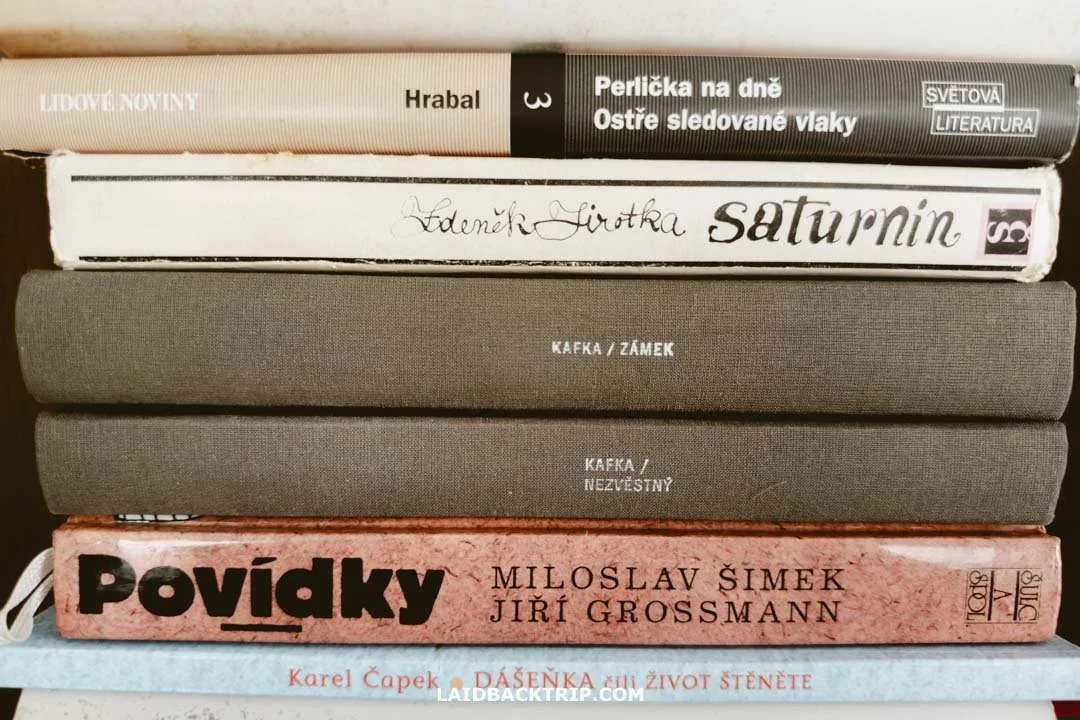
Some of my favorite Czech books were written by Kafka, Hrabal, or Čapek.
Karel Čapek wrote many great works as well. R.U.R. is a classic where he introduced the word robot to the world, but I have always loved The White Plague (Bílá nemoc). Milan Kundera is arguably the most famous of them all, and The Unbearable Lightness of Being (Nesnesitelná lehkost bytí) offers great insight into the 1968 Prague Spring. If poetry is more your thing, Jaroslav Seifert remains the only Czech Nobel Prize winner in Literature.
If you still want more, there is always The Grandmother (Babička) by Božena Němcová. It's one of the ultimate Czech classics, required reading in school, and therefore naturally adored by every high school student. Of course, Lucie and I loved it too. On a more serious note, Kytice, translated as A Bouquet of Czech Folktales by Karel Jaromír Erben, is filled with beautiful but dark ballads.
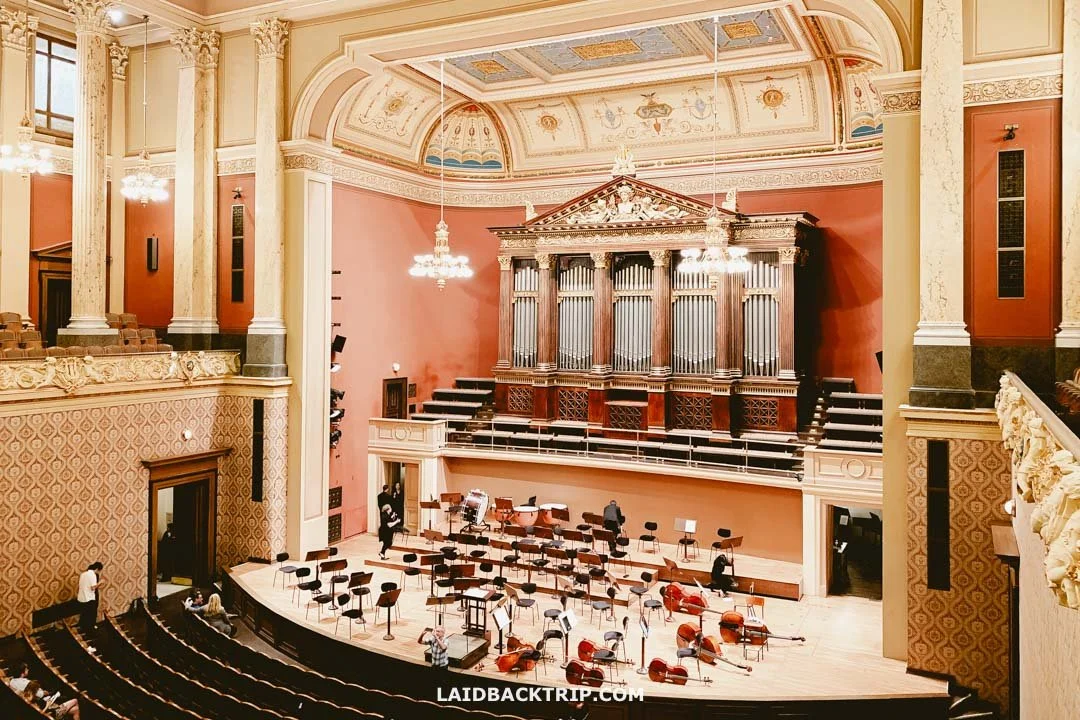
We went to a concert of Dvořák's New World Symphony at the Rudolfinum, and it was amazing.
Interestingly, it's not like we lack great music, it's just that Czech music doesn't get much attention outside our borders. The one composer who really made it big abroad is Antonín Dvořák, especially thanks to his New World Symphony. It's an incredible piece, and we were lucky enough to hear it live at Prague's Rudolfinum a few years ago (his other compositions are great too!).
Bedřich Smetana may be less famous internationally, but his Má vlast (My Country), made up of six symphonic poems, is an absolute Czech classic and worth a listen too. It's not only beautiful music, but it also captures a lot about our country (I mean, the title kind of gives it away).

Not too long ago, we went to see a great exhibition about Bedřich Smetana's Má vlast at the National Museum.
Škoda lásky, known as the Beer Barrel Polka, is originally Czech, though it's pretty old by now. And that's probably about it, unless I include Karel Gott, a pro-regime singer who recorded lots of covers and was and still is very popular here and in Germany. He won the Czech "Grammy" award about 40 times, and I'm honestly not even joking. While it's a completely different genre, I would much rather listen to the music of Karel Kryl, a protest singer-songwriter from the communist era.
Czech Cuisine Is Hearty
If you've never tried Czech cuisine, which I have a feeling is the case since it's not very famous worldwide, you have a great chance to make it right once you arrive in our country. Our traditional cuisine is quite hearty and similar to German (especially Bavarian) and Austrian food, so you're in for a treat (most definitely). And one full stomach (that one we can guarantee).
You can expect heavy meals usually consisting of meat, dumplings of all sorts, sauces, potatoes, or sauerkraut. Although it might not sound as fancy as French or Thai food at first, Czech cuisine is actually really tasty. Lucie and I don't eat it every day, because while we love our classic meals, they are super filling and not exactly healthy. We usually enjoy them when visiting our parents or grandparents, on weekdays, or during special occasions.

Vepřo knedlo zelo is one of the classic Czech national dishes (and yes, it pairs perfectly with beer).
A lot of people eat them for lunch too, which is another very Czech thing. Most of our classic dishes are easy to make in big batches and super quick to serve, so restaurants offer them on weekday lunch menus for lower prices. When you show up at a Czech restaurant around noon, you'll get a lunch menu packed with the classics, along with an à la carte menu that has the pricier dishes we usually order for dinner. It's basically because no one has much time during the workday, and these meals can be served almost instantly.
If we should recommend the most traditional Czech meals, it would be vepřo knedlo zelo, a roast pork with potato dumplings and stewed sauerkraut, and svíčková na smetaně, a marinated beef sirloin in a creamy root vegetable sauce with bread dumplings, whipped cream, and cranberry jam. Right behind would be rajská omáčka, beef served in a sweet tomato sauce, and as usual, the good old bread dumplings. This was one of our favorite meals during school days, mostly because it was sweet and not tasteless or overcooked like pretty much everything else (hello UHO, the universal brown sauce).
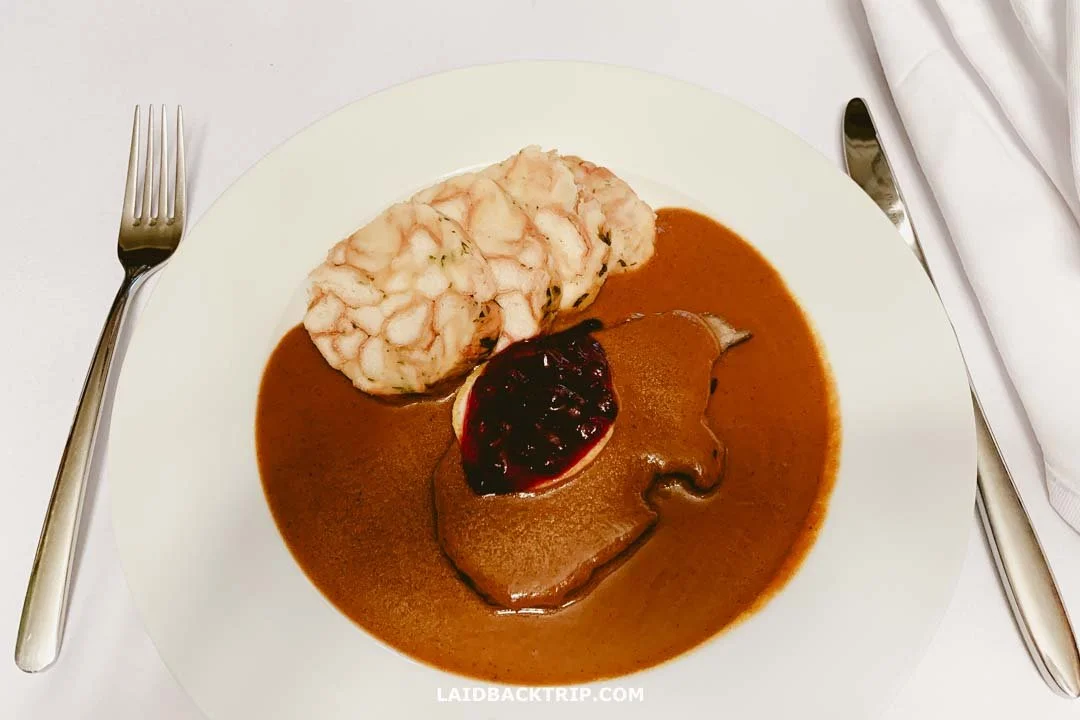
Svíčková na smetaně is another Czech national dish.
Do you remember that we were part of the Austrian Empire, and later Austria‑Hungary? We still have a couple of meals from that era. Another Czech national dish is řízek (schnitzel), a breaded cutlet with boiled or mashed potatoes, and sometimes a potato salad. That one is straight from our Austrian heritage. And speaking of traditions, a big Czech classic is potato salad with breaded carp on Christmas Eve. From Hungary, we have guláš (goulash), a thick beef stew with plenty of onions, usually served with bread dumplings and topped with raw onions.
We saved the best for last. One of the most popular Czech meals is smažený sýr, or simply smažák, the glorious fried cheese (Eidam třicítka) with boiled potatoes or fries and tartar sauce. It's vegetarian, it goes great with beer, and it's served in every decent restaurant (which is exactly how you can tell it's decent). It also nicely tests how healthy your heart is, especially if you go with the fries.
Ovocné knedlíky (fruit dumplings), pečená kachna (roast duck), and buchtičky se šodó (sweet buns with vanilla custard) are some amazing classic Czech staples too. And we have some great soups as well, like hovězí vývar (beef broth), kulajda (dill soup with mushrooms and a poached egg), and česnečka (garlic soup with croutons and melted cheese). All of these meals are quite heavy, but they're really good and absolutely worth trying. So skip McDonald's for once and just give our cuisine a try.
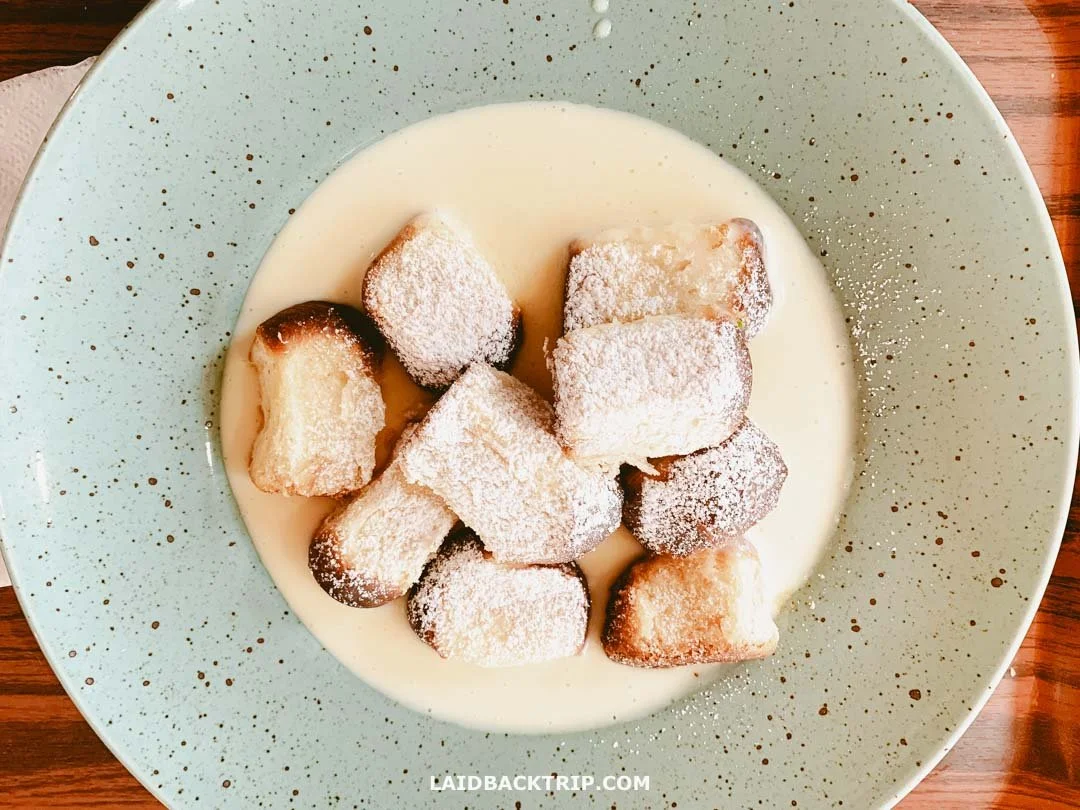
Buchtičky se šodó is another classic of Czech cuisine.
Mobile Plans and Data in Czechia Are Expensive
For as long as I can remember, the Czech Republic has had some of the most expensive mobile plans in Europe, whether prepaid SIMs or unlimited plans. We like to joke that getting worse service for higher prices is exactly what we want. We call it a specific market, sarcastically, because that's what the three major mobile operators have been calling us for years.
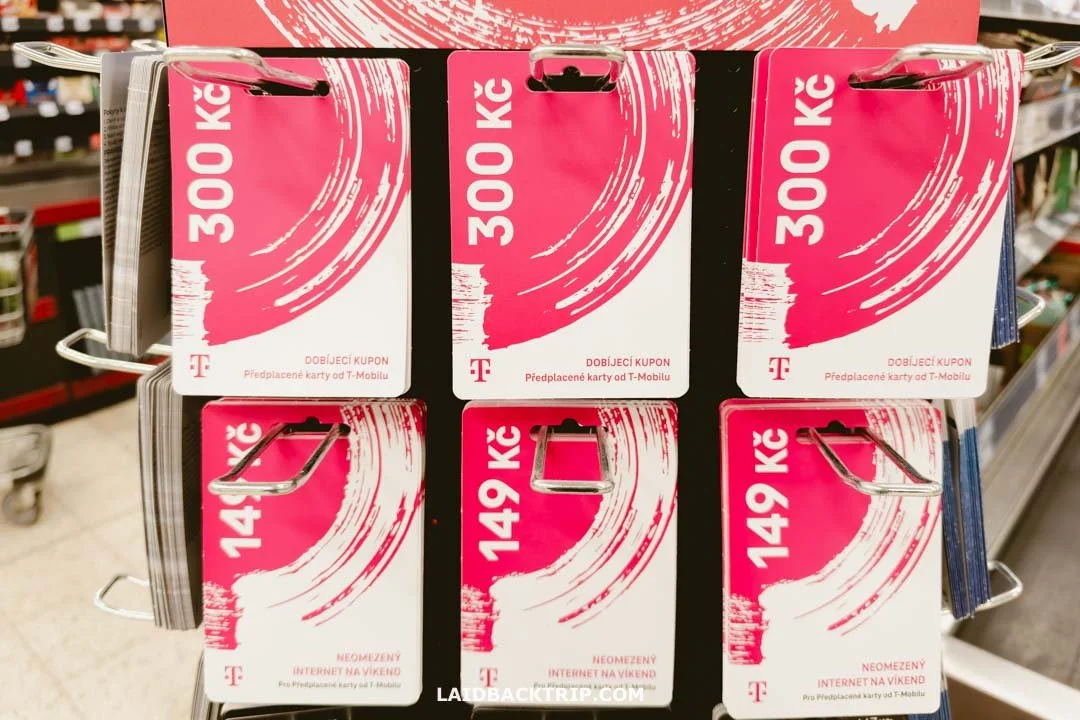
Czech mobile operators all offer very similar prices and coverage.
Of the three operators we have here, O2, T‑Mobile, and Vodafone, there's barely any difference between them. I'd even say there's none, whether it's prices, coverage, or 5G. Over the years, both Lucie and I tried all of them, but it's like walking in a circle. And with only three operators, it's not a long one. Every now and then, they lower the price, add a few gigabytes of data, maybe throw in some call minutes, and after a short while, they rename the plan, raise the price without adding data, remove the calls, and since browsing eats more data every year, you end up exactly where you started. As I said, Czechia is a specific market.
Before you come to Czechia, you can compare their plans and buy one of the prepaid SIMs they offer, or just use one of the eSIM apps, which is probably what I'd do, because there's really no reason to deal with the activation process of a physical SIM. You can buy something like a Vodafone DATA SIM for Visitors at the Prague Airport, but it's overpriced, and you'll almost always get a better deal through an eSIM app.
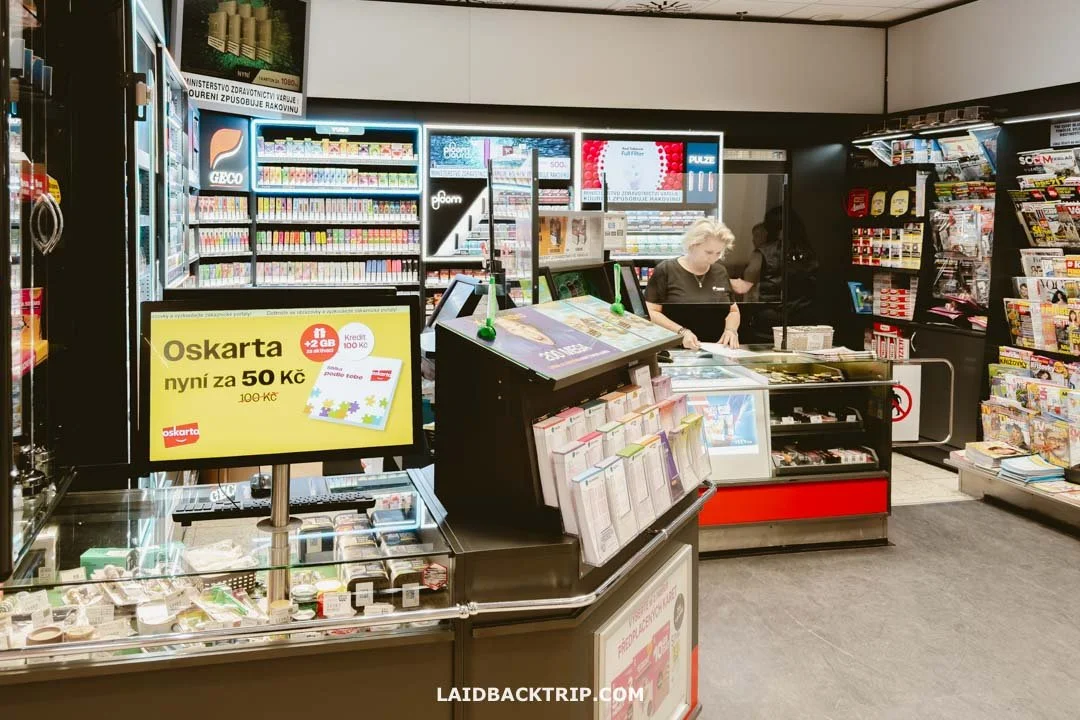
You can also pick up a SIM card in pretty much any "trafika," our local newsagent’s shops.
If you still want to buy a physical SIM in Czechia, keep in mind that if you plan to visit Germany, Austria, Poland, or anywhere nearby, it's usually cheaper to buy a prepaid SIM in those countries than here. One great thing about being part of the European Union is that we don't have to deal with roaming inside member states, because all our plans work there the same way they do at home. That's why we could use our plan on a road trip in Ireland or journey across Jutland like we were still in Czechia. And you can too.
Czechs Are Cold and Distant (Are They Really?)
When a discussion about the warmest and friendliest nations/people comes up, we Czechs are usually missing. We're often described as reserved, distant, or even cold, abrupt, and sometimes rude. But it's the same as when we think Americans are fake and loud or Germans are cold and distant (oh wait). Just classic stereotypes. And while stereotypes exist for a reason, I want to look at this from my own perspective.
Just because we're neutral in social interactions with strangers doesn't mean we walk around with cold noses all the time. And just because we're not into excessive pleasantries with someone at a bus stop on the way to work, or because we mind our own business in a grocery store line, doesn't mean we're not nice. We can be genuinely warm, friendly, helpful, and amazing people, but we usually reserve that for people we know. And since it takes a bit more time to get to know us, something most visitors who come to Czechia (meaning Prague) for only two or three days won't have, they only see our neutral face.
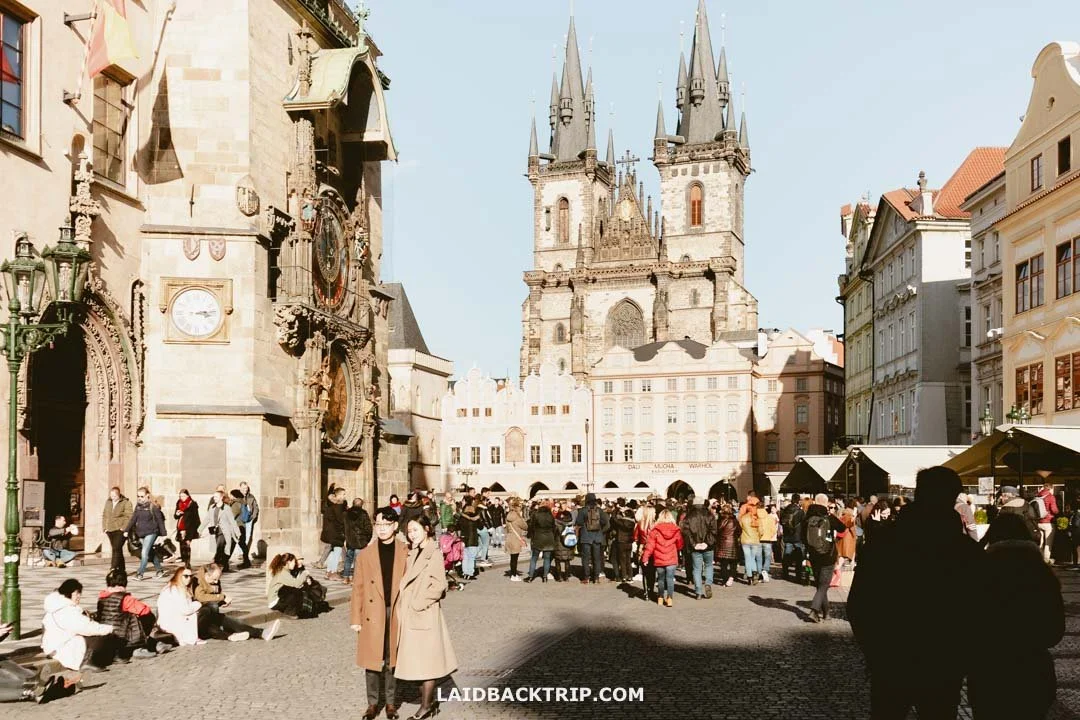
Most tourists don't venture beyond Prague and usually stick to the historic center.
Czech culture, like every other one, has its specifics. A good example is the classic "how are you" phrase, which we use only when we're genuinely interested in how the other person is doing, not when a cashier is ringing up my groceries. When we moved to Calgary, it took me a while to stop telling that person everything I'd been up to in the past few days after hearing that question everywhere. Adjusting to the more welcoming nature of first conversations with strangers was easy, but there were definitely moments when I felt those extra niceties were not necessary.
I think one of the biggest misconceptions about us Czechs is that a huge part of who tourists think we are is shaped by Prague's tourist center. This amazing but very specific and extremely touristy area, which most overseas visitors never leave, is many things, but it's not the best sample of how we behave in normal life. Half the businesses there are places a local would never go, and half the "Czechs" you meet there aren't even Czechs. And the ones who are there are usually locals dealing every day with the problems mass tourism brings into their homes.
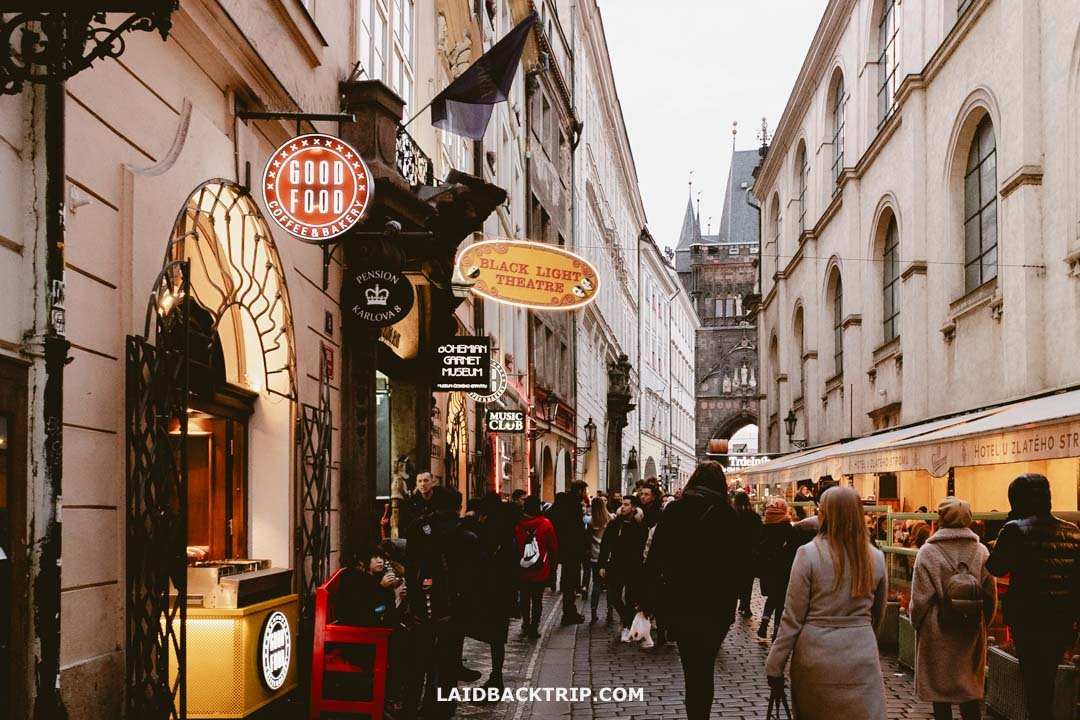
Karlova Street is about the last place you should look if you want to see the real Czechia.
I have tons of examples, but a good one is dealing with tourists standing on the left side of the metro escalators (the rule is to stand on the right to allow others to pass), blocking the way when I was in a hurry to catch a connection or simply wanted to get home sooner. For years, this was my daily bread, and believe me, it gets old fast. My "s dovolením" (excuse me) definitely had a firmer tone than the one I'd use in my local grocery store when passing through a narrow aisle. And don't get me started on big groups taking up the whole path. Or the drunks.
Another thing to factor in is the language barrier, which becomes much bigger once you leave Prague. It's easy to assume everyone here speaks English, but that's really not the case. And even those who can will probably be limited by vocabulary, not to mention grammar. I know that one very well from my own experience. So even if I have the best intentions to chat with you or show you how to buy a ticket for an intercity bus, the way I speak might sound blunt simply because of my English level.
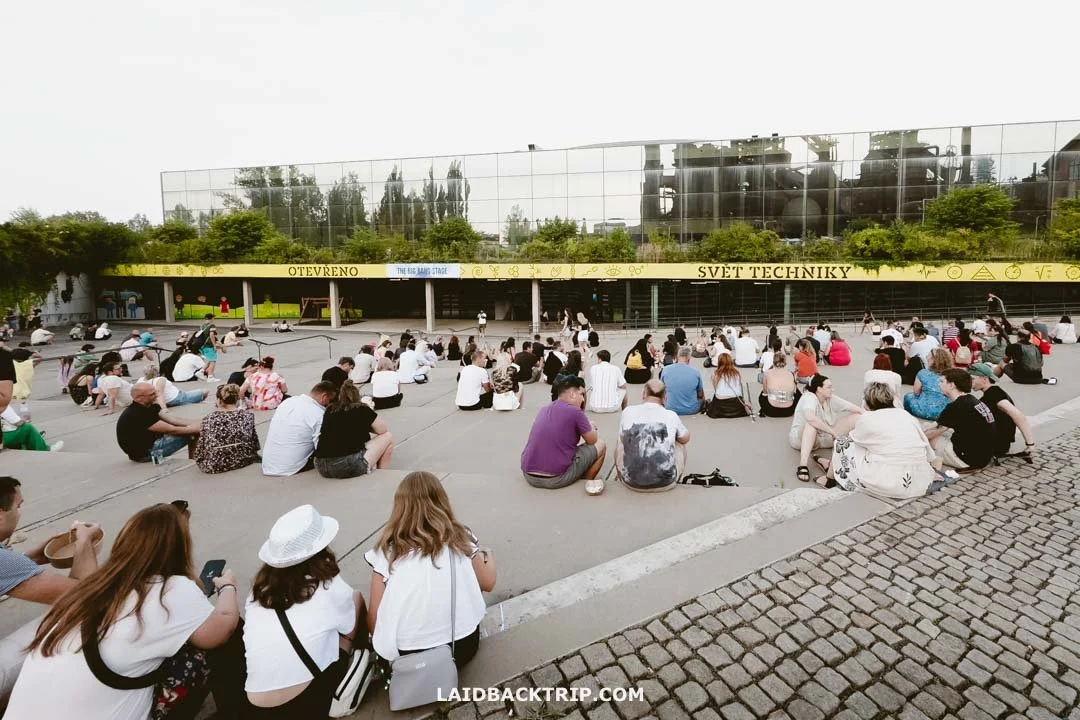
But once you venture beyond the usual tourist spots, you'll finally see what Czechia is really like.
From all the travels Lucie and I have done over the years, the one thing I learned is that people are generally very similar, no matter where we went, whether it was Cartagena, Tel Aviv, or Drumheller. We met amazing people, lots of nice ones, and also a fair share of those who were the opposite. And the Czechs are no exception. The big realization was that it often came down to my expectations of what I consider friendly or polite/rude, my knowledge of their culture, and how willing I was to adjust. In the end, it was usually not about them, but about me.
There's More to Explore in Czechia than Just Prague
Even though we love Prague so much and understand why it's the most famous place in our country (with sights like Prague Castle or Old Town Square, that's hardly a mystery), we always feel sorry for the other regions in the Czech Republic, which are often overlooked. I've already mentioned that most foreign tourists never leave the capital, and if they do, they limit themselves to one or two trips to the nearest attractions. There's nothing wrong with that, except you're missing out on some of the most beautiful spots Czechia offers.
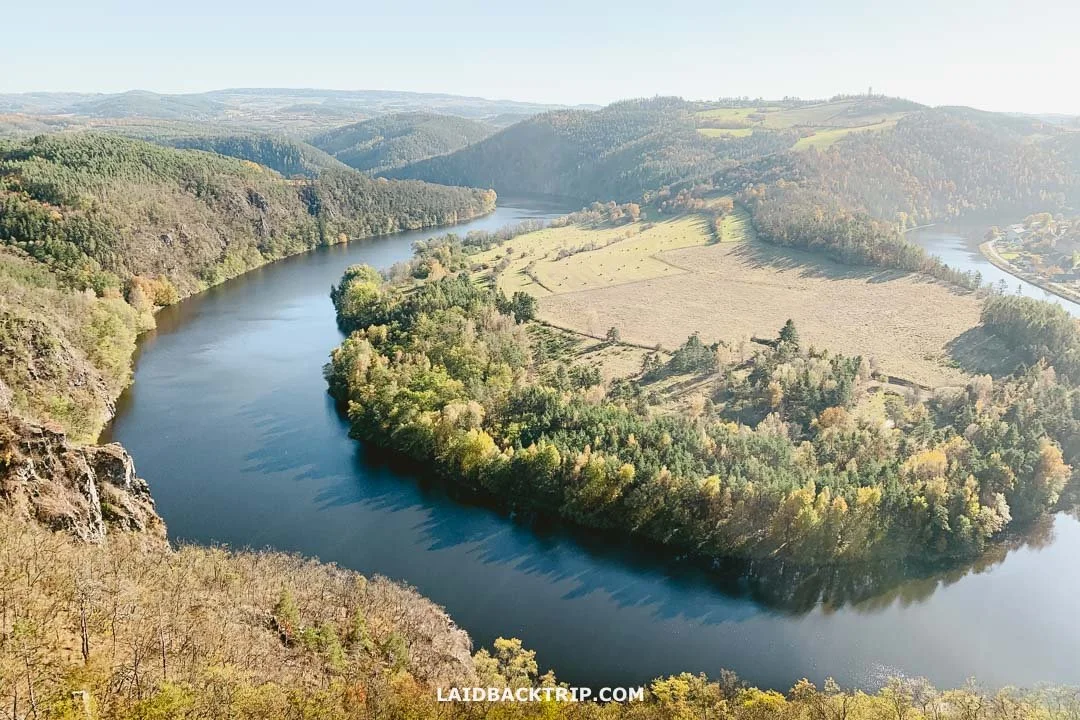
Czechia can be unbelievably romantic once you get outside the big cities.
The other two big cities in Czechia are Brno and Ostrava. Ostrava is an industrial city and the former coal mining capital of Czechia, while Brno, which we humorously call not a city but a lifestyle, has a great student life, Špilberk Castle, and Villa Tugendhat. They might even get a metro one day! Jokes aside, both cities are fun to explore. We already talked about Plzeň as the home of the original Pilsen lager, Olomouc has the Holy Trinity Column and a similar astronomical clock to Prague, and everyone would like to live in České Budějovice!
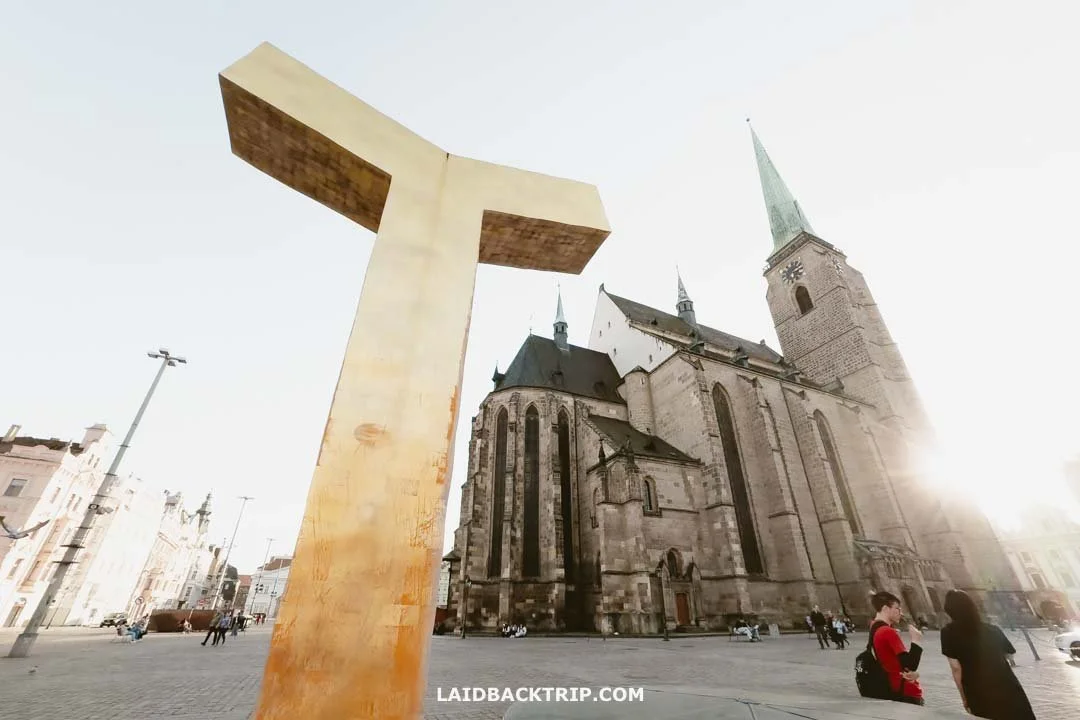
Other large Czech cities, such as Plzeň shown here, are all very safe.
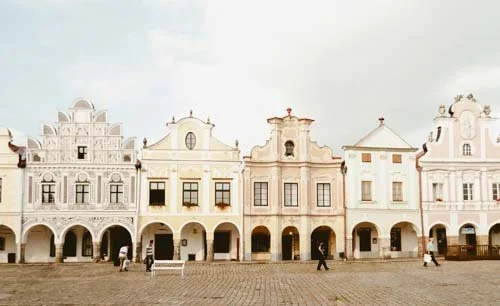
We also have some beautiful towns. Obviously, we have to start with Tábor, the former Hussite stronghold and a place to which we have familial ties. Then we have the quarter of UNESCO towns consisting of Český Krumlov (by far the most popular of the bunch, as it's truly breathtaking), Telč (the most beautiful Renaissance square in Europe), Třebíč (a well-preserved Jewish Quarter), and Kutná Hora (the easiest to visit from Prague, plus it has a stunning cathedral and the Sedlec Ossuary, aka the bone church). This isn't all, because then there's Písek (the oldest stone bridge in Czechia) or Litomyšl (birthplace of Bedřich Smetana and home to a UNESCO-listed castle), and plenty more.
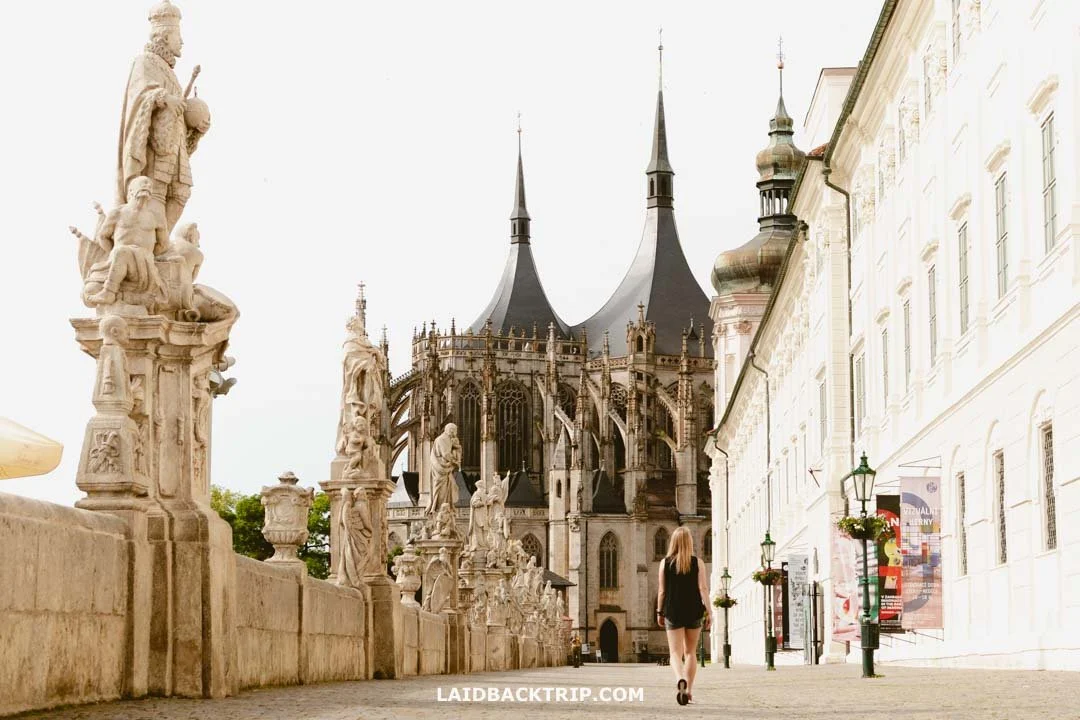
UNESCO‑listed Kutná Hora is one of Czechia's must‑see places.
And I haven't even mentioned the spa towns yet. The most famous ones are the UNESCO-listed trio consisting of Karlovy Vary, Mariánské Lázně, and Františkovy Lázně. The lesser-known spa towns of Czechia, at least among foreign tourists, are Třeboň, Poděbrady, and Bechyně. Obviously, most people head to Karlovy Vary, which is arguably the most beautiful, but we prefer the quiet atmosphere in the others.
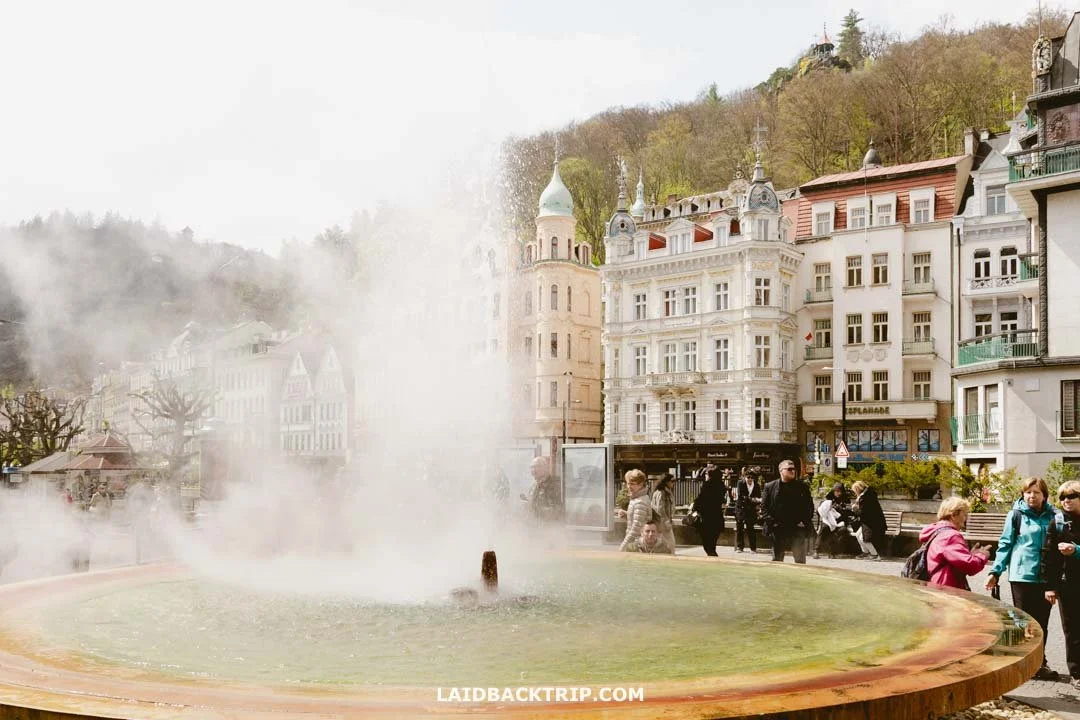
Karlovy Vary is by far the most famous Czech spa town, but it's a bit too touristy for our taste.
We're also a land of castles. Karlštejn, a majestic Gothic fortress built to house the royal crown jewels, is the most famous of all and the easiest to visit from Prague. Hluboká Castle is a romantic Neo-Gothic chateau in South Bohemia, as is Červená Lhota, a charming red castle surrounded by a pond. Then there's the UNESCO-listed complex of Lednice-Valtice or Konopiště, the former home of Franz Ferdinand (the Archduke of Austria whose assassination started WW1). Bouzov and Křivoklát are stunning too, as are tons of others like Zvíkov or Orlík. We've been to all of them multiple times, and they never cease to amaze us.
We also have some beautiful mountain ranges, and while they're not as tall as the Swiss Alps, we love exploring them nevertheless. Both Krkonoše and Šumava are great for skiing in winter (we even have a Czech Aspen here) and hiking in summer (though we've hiked Sněžka, the highest mountain in Czechia, in winter too). We have a soft spot for Beskydy, but Jeseníky are awesome as well. Another natural gem of Czechia is Bohemian Switzerland, home to sandstone arches and river gorge boat rides.
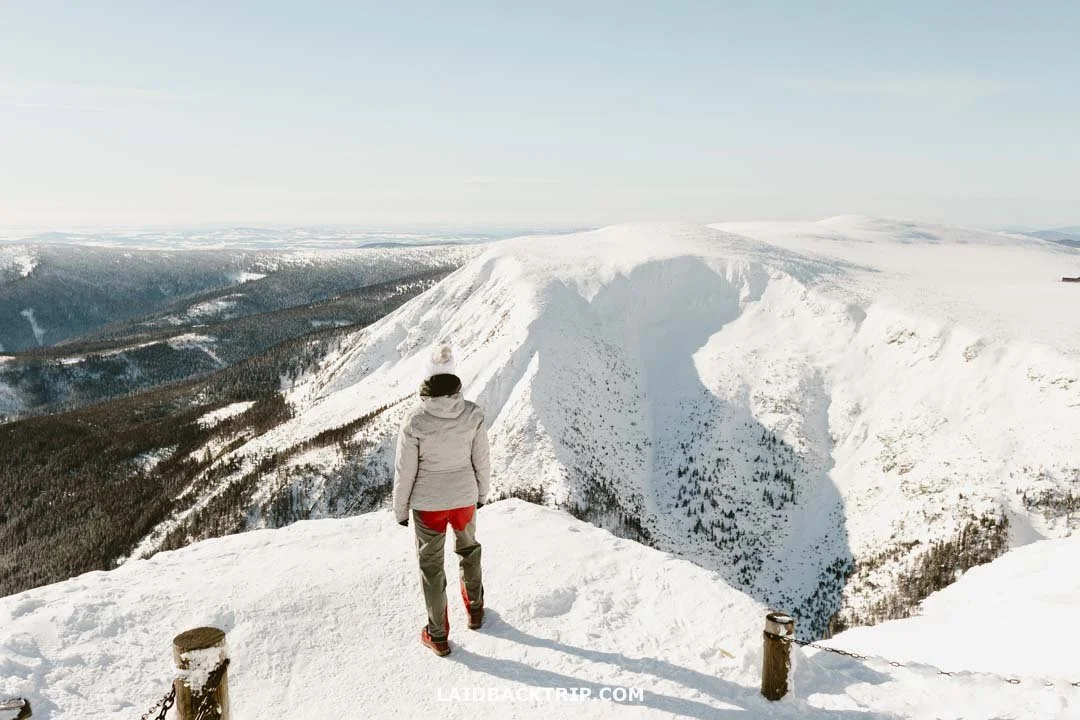
The view from Sněžka across Krkonoše National Park is just stunning in winter.
There are a few more places that don't really fit into any category, so I saved them for last. Rožnov pod Radhoštěm is a beautiful open-air museum of traditional wooden architecture, which is fairly easy to visit from Ostrava. Kroměříž Gardens are a beautiful example of European Baroque landscaping and unique architectural geometry, plus they're on the UNESCO list. Another UNESCO gem is a picturesque village of Holašovice.
Terezín Memorial is a Holocaust site with a Small Fortress prison and a Ghetto Museum honoring World War II victims. For those into WW2 history, it's a must (as are the Lidice Memorial and the St. Cyril and Methodius Cathedral crypt). And finally, to end on a more cheerful note, there's Mikulov, a picturesque wine town featuring a stunning white castle, a holy hill, and a historic Jewish quarter. You've really got to try the Ryzlink vlašský (Welschriesling) while you're here.
Czechia Is One of the Safest Countries in the World
Every time we travel, we obviously look up how safe (or unsafe) the country we're about to visit is, because staying safe is the most important thing on the road. If you've done the same with Czechia, you probably discovered that when it comes to safety, it's one of the safest places on earth.
It's not just an opinion from one random local, but something backed up by statistics, like low violent crime. I'm not saying it's perfect here, as we're still a landlocked country in the center of Europe, but for tourists, it's about as safe as it gets. And unlike other super-safe places like New Zealand, we don't have earthquakes, volcanic eruptions, or tsunamis.
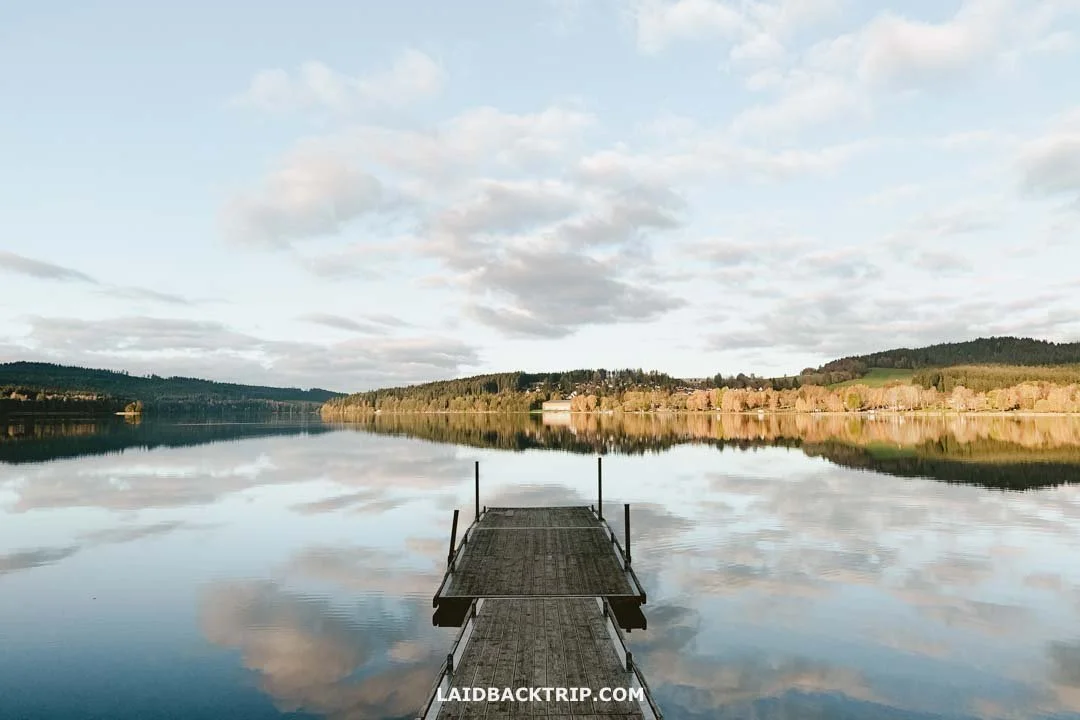
Floods and severe storms are the natural disasters that occur most often in Czechia.
As I was curious how other countries see the safety situation in Czechia, I checked the travel advisories from the United States, Australia, and Canada, and they all said the same thing: exercise normal precautions. This was, of course, at the time of writing, and things can change, so always check before you go. But I have a feeling that if things ever got noticeably worse in Czechia, you probably wouldn't want to travel to Europe at all.
Anyway, pretty much all these sites stated that the Czech Republic is very safe. On this one, we can agree. But then there was plenty of generic advice that felt like it was aimed not at Czechia but at Europe in general. The two main ones were demonstrations (we do have them from time to time, mostly in Prague, but they're almost never violent (like the warnings were, like c'mon, we don't burn cars or vandalize everything around us) and the threat of terrorism (again, thankfully not really a Czechia problem, at least not yet). Honestly, I think this is a great indicator of how safe our country actually is, because these are things that can happen in any major city.
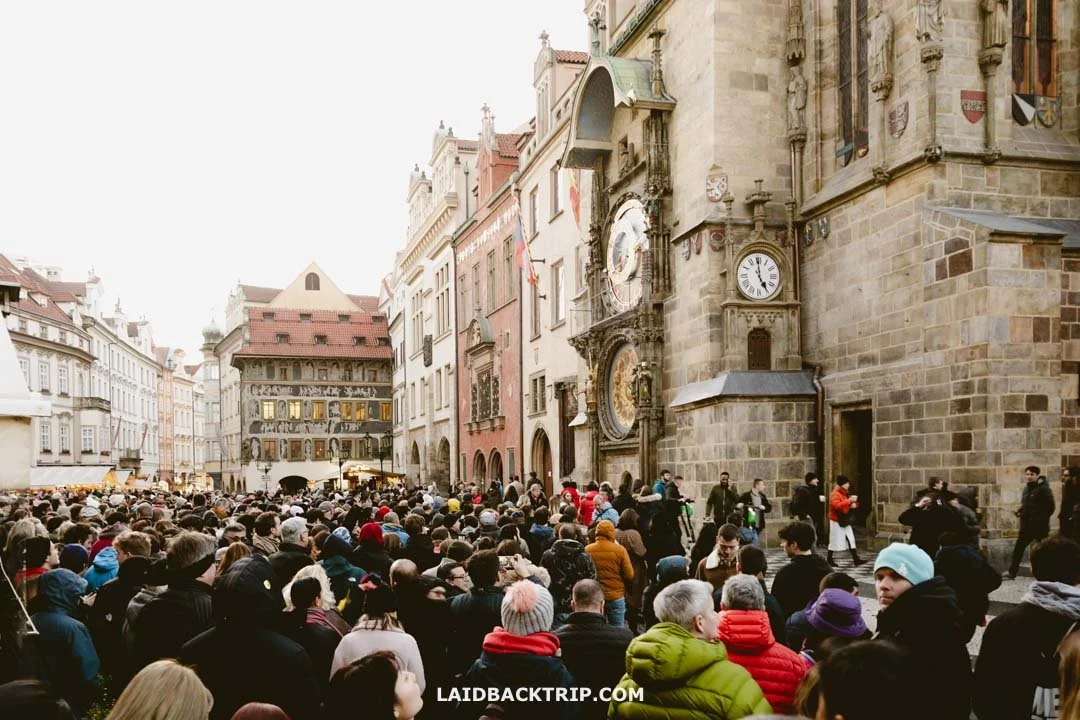
The hourly show of the Astronomical Clock is one of the most crowded spots in Prague, and as such, a big opportunity for pickpockets.
The one thing they were right about, though, was pickpockets. Obviously, this is mainly a Prague issue, especially in tourist areas, crowded attractions (like at the famous Prague Astronomical Clock), and public transport used heavily by foreigners, which basically means any tram, metro, or bus passing through the city center. Where there are tourists, there are opportunities for petty theft. Like in other European capitals, wheter it's Rome or Paris, this is usually done by organized groups. It's the same everywhere, including Prague.
But using common sense is usually enough to keep your wallet or phone safe. Being street smart also helps you avoid the most common Prague scams, though that's technically not a safety issue.
World Nomads provides travel insurance for travelers to cover their trip essentials, including sports and adventure activities.
SafetyWing is affordable travel insurance for backpackers, long-term travelers, and digital nomads.
I'd also add that Prague has its own share of vices, mostly related to alcohol (and drugs), since it's still very affordable here. Since 2022, there's been a ban on public drinking in Prague 1, but despite that (and hefty fines), it's still frequently ignored. To be fair, the number of fines is going down, so things are improving. If you see one of those big drunk groups, it's better to stay away. Ironically, it's the foreign tourists you should be aware of. And don't overdo it with alcohol in general. Prague is truly beautiful, and you can get hammered at home. I know, I know, the older I get, the less fun I sound.
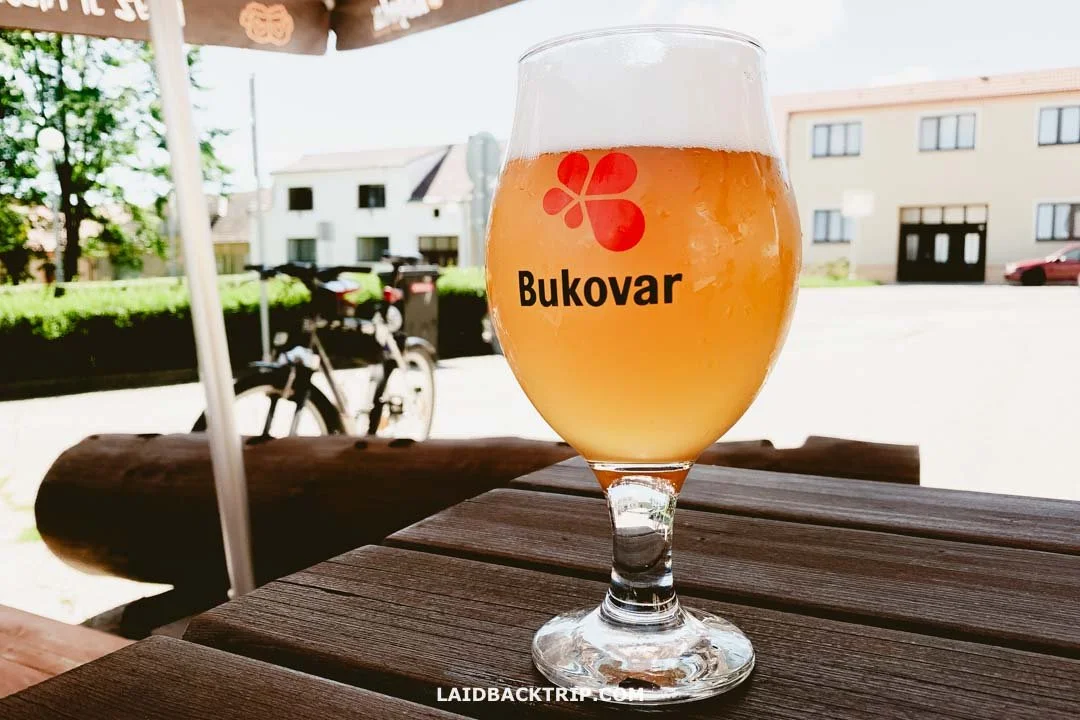
Beer tasting is one of the things every visitor to Czechia should experience.
Outside Prague, Czechia is even safer. Since you'll still be visiting crowded tourist sites, pickpockets can be a thing there, too. As we travel around Czechia by car a lot, we also never leave valuables inside or visible. But again, that's just generic travel advice (like keeping an eye on your luggage on trains or buses), because we would do the same on a Ring Road or Wild Atlantic Way.
When it comes to emergency phone numbers, you only need to remember one: 112. This number works in Czechia for any emergency, and operators should speak multiple languages. Even better, it works in nearly all EU member states. So if you're traveling around Europe, in most cases this is the only number you need to remember, though always check before you go.
To my surprise, this number also works in the U.S., Canada, Australia, and New Zealand, usually from mobile phones, and it redirects to the local emergency number (so in North America, that's 911). In Czechia, we can also dial 158 for the police, 155 for medical emergencies, and 150 for fire, but these are mostly used by locals, so stick with 112.
Czech Hobbies Are Quite Unique
Now that we're at the end of the post, I want to cover typical Czech hobbies, or basically what we do in our free time. As I will clearly demonstrate, we're not drinking beer all day, though, looking at it now, some of these hobbies do go very well with a cold one in hand. Another interesting thing is that a good chunk of typical Czech hobbies are leftovers of the Communist era, a good example of what being locked behind a fence with not much to do for forty years does to a nation.
First, let's take a look at houbaření (mushroom picking). Do you remember when I tried to convince you that ice hockey is the number one sport in Czechia? Many would argue it's actually mushroom picking. I do have a few people in my family for whom mushroom picking isn't just a hobby, but an obsession (like the rest), because some of them don't even like mushrooms at all! More than half of Czechs go into the woods when the mushroom season starts, and when it does, that's the only thing on their minds (it's so popular that it even makes national TV news).
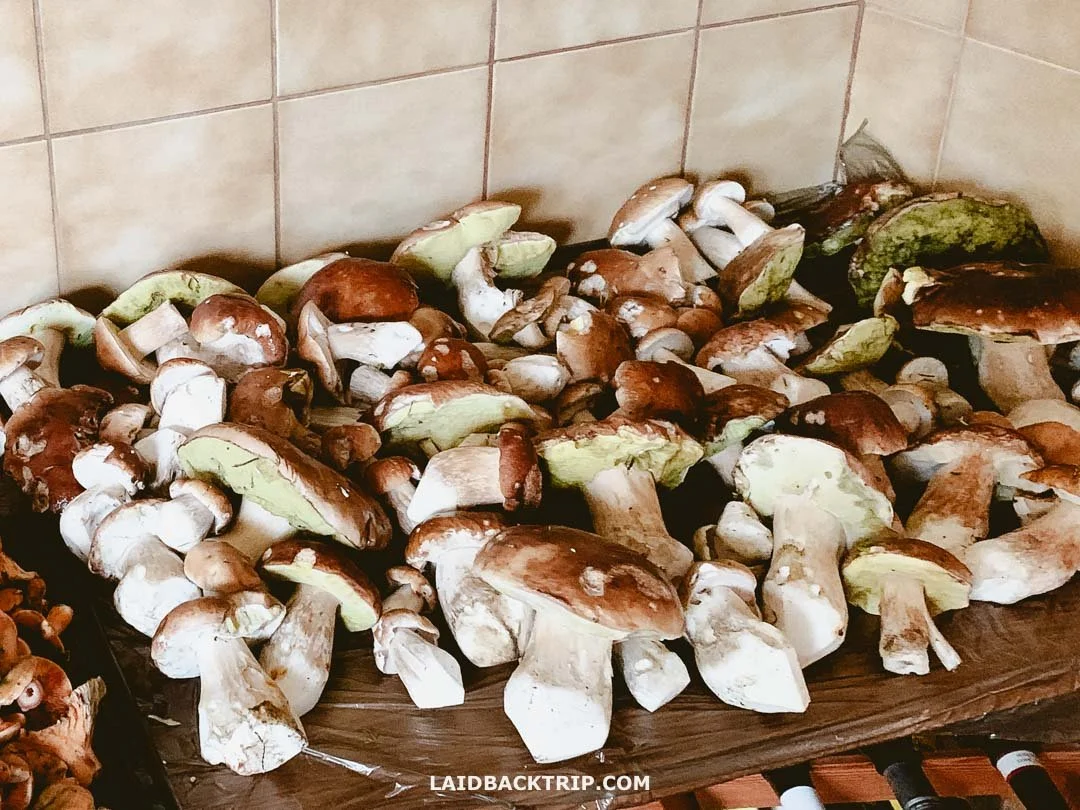
We simply do love mushroom picking.
The interesting part is that we can pick as many mushrooms (porcini and chanterelles are really popular) as we want, and we don't need any permit either, plus we can roam pretty much all our forests as we like, even the private ones. We cook and eat the mushrooms right away or dry them for the winter months. Picking mushrooms as free food has been a tradition in the Czech lands for centuries, but once again, it became this popular during the occupation years (guess why).
Another really interesting hobby unique to Czechia was once tramping, but that one pretty much disappeared with the younger generation like Lucie and me. During the Communist era, heading into the woods and singing translated American campfire songs was the only way to travel to the West. After the Velvet Revolution, the magic disappeared, as did the need to hide in the woods. We could finally see the West, whether it was Yellowstone or the Canadian Rockies, for ourselves.
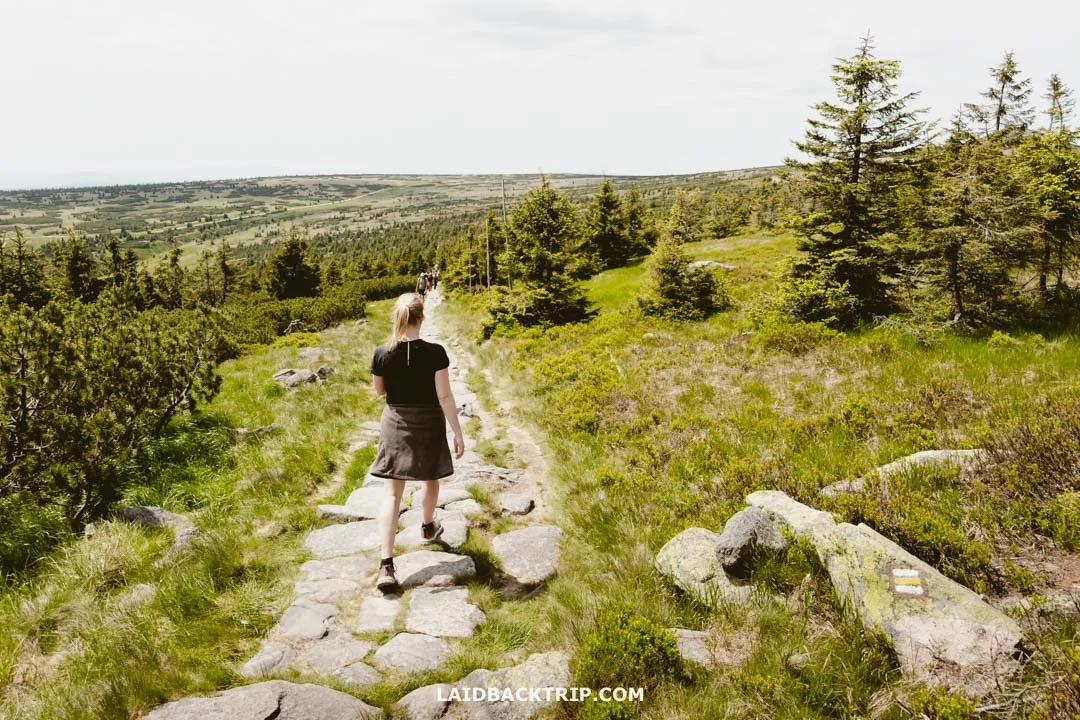
Hiking is incredibly popular in Czechia.
That doesn't mean we don't go out today. Quite the opposite. We still love the outdoors. And Czechs, including us, are very enthusiastic hikers. And while we don't have scenery as epic as what we saw on the Milford Track or around Lake O'Hara, we do have a very romantic landscape, along with an amazing network of trails and arguably one of the best hiking marker systems in the world. The markers come in red, blue, yellow, or green (always framed by two white stripes), and the best part is that once you pass one, the next one is usually already in sight. Since we don't have huge wilderness areas, these trails often lead you from forests and hills straight into our lovely towns and villages, and yes, we even have them in Prague.
Another very typical Czech thing is vodáctví (float trip), which again is one of those things you really need to try for yourself to fully get it. As you see, we don't really have any wild raging rivers, so I have a feeling you already know where this is going. It's not about the white water adrenaline, but more about hanging out and sampling some of our finest alcohol (like the potato rum), and if you overdo it and capsize, even the taste of the water of our beautiful rivers.
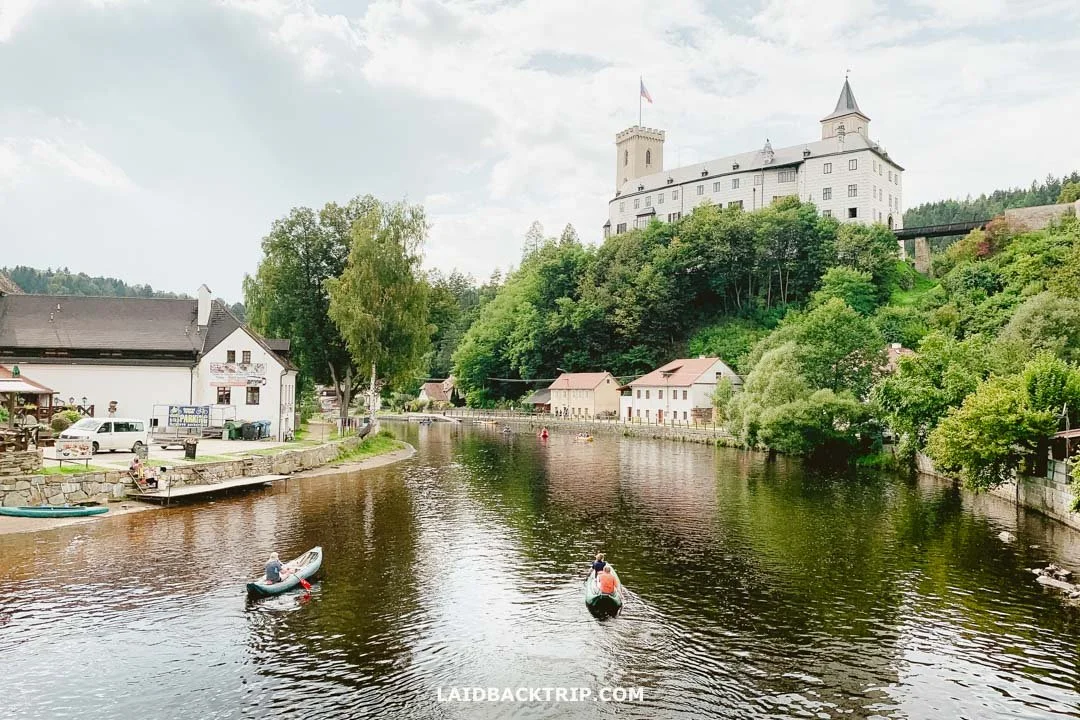
With views like this of Rožmberk Castle, it's no wonder why we enjoy river trips so much.
Every summer, Czech rivers are busy with canoes, kayaks, and inflatable rafts, but the one that's really packed is the Vltava, particularly the stretch between Vyšší Brod and Český Krumlov. Long gone are the days when it was fairly quiet here. Today, this is probably one of the busiest summer destinations. By the way, we did a few rafting trips even in high school, so there's really no escape from this activity. Interestingly, there's mostly zero alcohol tolerance on Czech rivers (fines are also a thing), but you know what, there's no such rule at the campgrounds! Ahoj!
And if you ever find floating down the river too strenuous, but would still prefer to stay within sight of water, then we have rybaření (fishing) for you, which is another incredibly popular Czech hobby. In a typical Czech way, it's really not about the big catch but about being outside and maybe a beer or two. There's nothing like sitting by a pond or on the river shore for hours watching the waggler while sipping a bottled beer. One of the Czech specialties is pond harvesting, which happens every autumn and during which we drain our ponds, catch all the fish (mostly carp) there, and in a month or two, we all happily fry it and eat it with potato salad as our Christmas dinner.
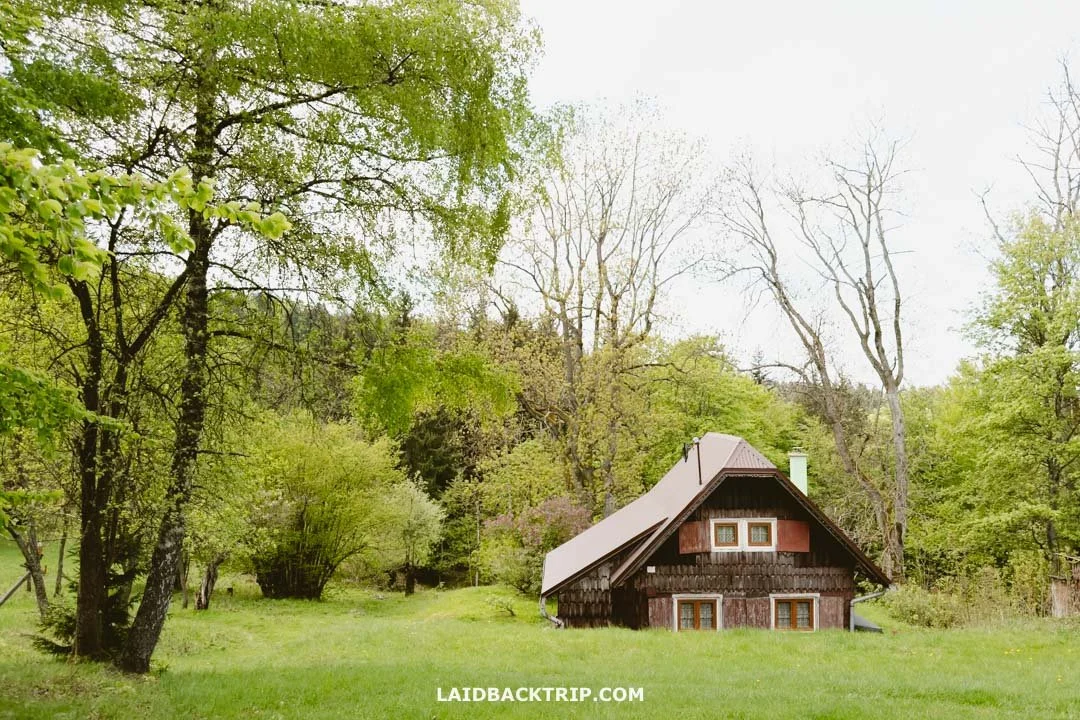
Weekends in Czechia often mean heading out to a cottage or country house.
And to wrap up this post, I couldn't choose anything other than the most typical Czech hobby, and that's chalupaření (cottage culture). Every weekend, Prague and other big cities empty out as everyone heads to their chata (a small wooden cabin) or chalupa (a country house). Since Lucie and I love exploring new places, we never really understood the appeal of returning to the same spot again and again, spending the weekend sitting on the porch, fixing things, mowing the lawn, and drinking beer, but the truth is that there's no more popular Czech pastime than this one.
Here we part ways in exploring Czechia, but not for long, because we have a comment section below where you can ask us anything about our country.
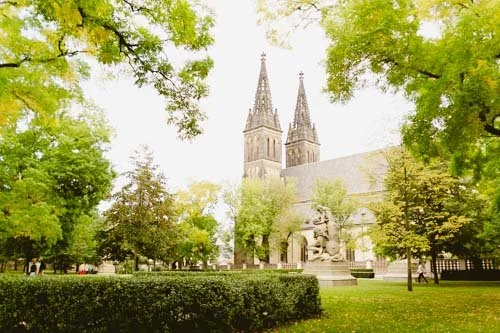
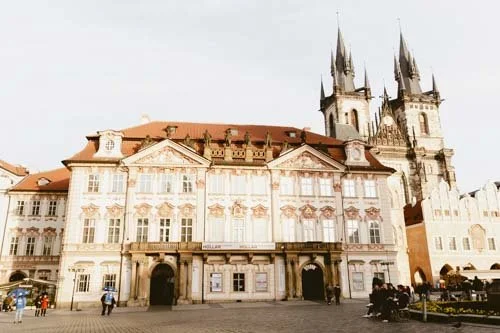

Experience Czechia's past and present through engaging exhibitions on history, culture, and nature at Prague's National Museum.