Italy Travel Guide
Things to Do & Planning Tips & Itinerary
Italy: Know Before You Go
Situated in Southern Europe, Italy is a country known for its rich history, stunning landscapes, world-famous cuisine, and incredible cultural heritage. Its distinctive boot-shaped peninsula is surrounded by the Mediterranean Sea, making it easy to reach from across Europe and beyond. Most visitors arrive by plane through major international airports such as Rome Fiumicino (FCO) and Milan Malpensa (MXP), while others travel by train, car, ferry, or cruise ship.
Italy is best known for its ancient Roman ruins, Renaissance architecture, historic cities, beautiful coastlines, rolling Tuscan hills, Alpine mountains, and picturesque villages. It is also famous for its art, fashion, and delicious food, including pizza, pasta, gelato, and traditional Italian coffee. Popular destinations include Rome, Venice, Florence, Milan, the Amalfi Coast, and the islands of Sicily and Sardinia.
The official currency is the euro (EUR), and Italy is a member of both the European Union and the Schengen Area. The population is around 59 million, making it one of Europe's most populous countries, with an area of approximately 301,000 square kilometers. Italy is also home to two independent states within its territory: Vatican City and San Marino, both known for their historical and cultural significance.
The official language is Italian, although English is spoken in many popular tourist destinations, especially in hotels, restaurants, and major cities. Learning a few basic phrases can make your trip more enjoyable. We learned "Ciao" (hello/goodbye), "Grazie" (thank you), and "Per favore" (please) before the trip. Italy uses Central European Time (CET) in winter and Central European Summer Time (CEST) during daylight saving time. Electrical outlets are typically type C, F, and L, with a standard voltage of 230V.
Practical Information
Get Around the Country
With a combination of trains, buses, ferries, and car journeys, Italy offers several convenient ways to travel around the country. Which mode of transportation we used on our trips always depended on the destination and the type of experience we were looking for, as you'll see in a moment.
On our Rome trip, we relied almost entirely on public transportation and spent a lot of time exploring the city on foot. We then took a bus for a day trip to Tivoli. During our Milan trip, when we were staying in nearby Lodi, we traveled between the two cities by train or car and then combined walking, driving, and public transportation to get around.
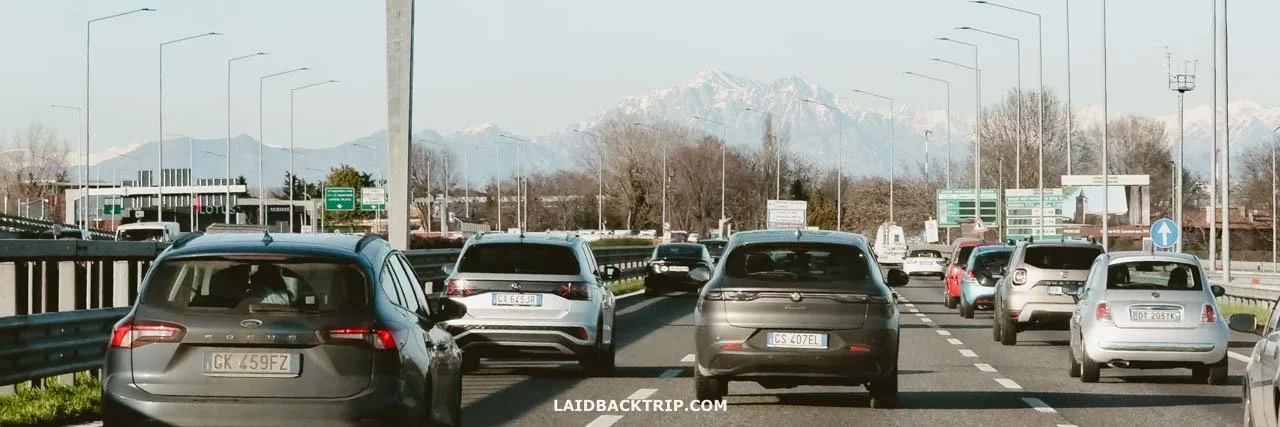
On skiing trips, we drove to Italy and then used either our car or shuttle buses once we arrived. We also took ferries to Capri and Corsica (which is actually a French island), and I even traveled across Italy on a guided tour many years ago. No matter how we chose to get around, exploring Italy always felt straightforward and enjoyable.
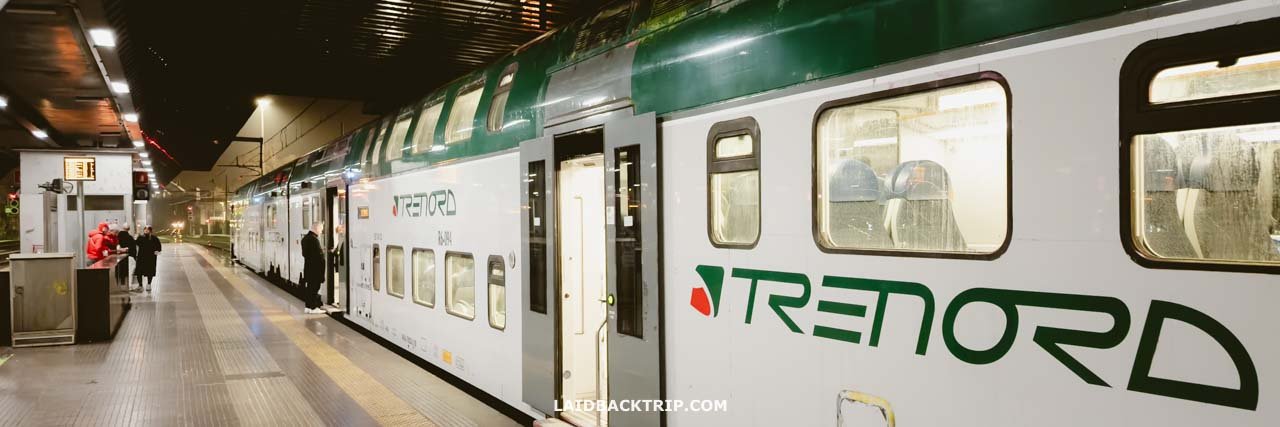
Italy's railway network is particularly well developed, making trains one of the easiest ways to explore major cities such as Rome, Florence, Venice, Milan, and Naples. High-speed trains operated by Trenitalia and Italo connect many popular destinations quickly and comfortably. Regional trains are generally slower but are useful for reaching smaller towns and nearby attractions. We recommend booking high-speed trains well in advance, especially during busy travel periods.
For exploring the countryside, coastal areas, and villages in regions such as Tuscany, Umbria, and Puglia, renting a car can be an excellent option. It provides much greater flexibility and allows you to reach places that are difficult to access by public transportation. However, driving in historic city centers can be challenging because of narrow streets, limited parking, and restricted traffic zones known as ZTLs.
Buses are another affordable way to travel, especially to smaller destinations that aren't directly served by trains. Companies such as FlixBus connect many Italian cities and towns. Ferries are essential for reaching islands such as Sicily, Sardinia, and Capri, while local boats are a popular way to get around Venice and parts of the Italian coastline.
Within cities, public transportation usually consists of buses, trams, and metro systems. Rome, Milan, and Naples all have metro networks, while walking often remains the best way to explore historic centers and charming neighborhoods. Tickets can usually be purchased online, at stations, or through official transportation apps.
Where to Stay
Italy offers a wide variety of accommodation options, from luxurious hotels and charming boutique properties to family-run guesthouses, countryside villas, farm stays, seaside resorts, and budget hostels. There is simply something for everyone. Where we stayed usually depended on the type of trip and the activities we had planned.
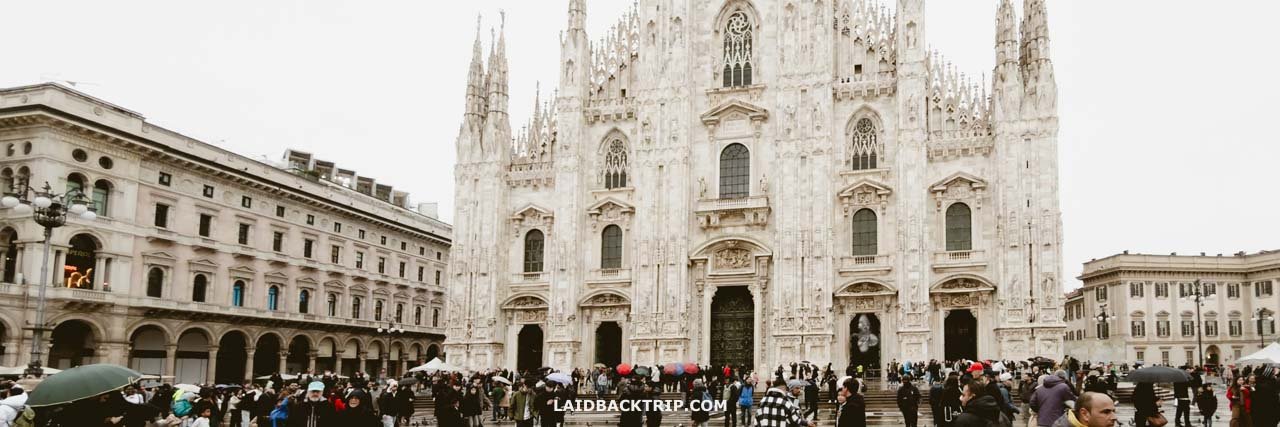
In cities like Rome, Florence, Venice, and Milan, we usually stayed in either boutique hotels or chain hotels in central locations. Historic city centers offer excellent accommodation in traditional buildings, although prices tend to be higher and rooms can be smaller. Nevertheless, we loved having everything close by and being able to walk almost everywhere. Staying slightly outside the center can often provide better value, especially when public transport is easily accessible, but as I said, you'll spend more time getting around.
On skiing trips, we usually stayed in guesthouses or apartments with a kitchen so we had more space and could cook our own meals. We often found that these options offered better value for money, and in some destinations there simply weren't many alternatives available.
Prices vary significantly depending on the season and location. Summer, Easter, and major holidays are usually the most expensive periods, so booking in advance is highly recommended. We generally tried to avoid traveling during these dates, but when going skiing, for example, there often wasn't much choice. You can search for accommodation in Italy using the search box below.
Beyond the obvious tips such as checking reviews and choosing a convenient location, we always booked a room with air conditioning when traveling in summer, as this is really a must. On road trips, we also preferred places with easy access and parking, which made getting around much more convenient.
When to Visit
Italy is one of those destinations that's wonderful throughout the year, with each season offering a different experience, from sunny coastal holidays to cultural city breaks and winter adventures in the mountains. Overall, I'd say May, June, September, and early October are among the best times to visit Italy, offering a pleasant balance of good weather, sightseeing opportunities, and manageable crowds.
Spring (April-June) is one of the best times to explore Italy. Temperatures are generally pleasant, flowers bloom across the countryside, and major cities such as Rome, Florence, and Venice are ideal for sightseeing. However, popular attractions can become crowded, especially around Easter and public holidays.
Summer (July-August) is perfect for beach holidays along the Amalfi Coast, in Sicily, and in Sardinia. However, temperatures can be very high, particularly in southern Italy, and popular destinations are often crowded and expensive. August is also the traditional holiday period for Italians. Personally, we'd avoid sightseeing in cities during this time because of the heat.
Autumn (September-November) is another excellent time to visit. The weather is often mild, the summer crowds begin to decrease, and the countryside becomes especially beautiful. We visited Rome during this period, and the weather was just perfect. It's also a great season for wine tasting, food festivals, and exploring Tuscany.
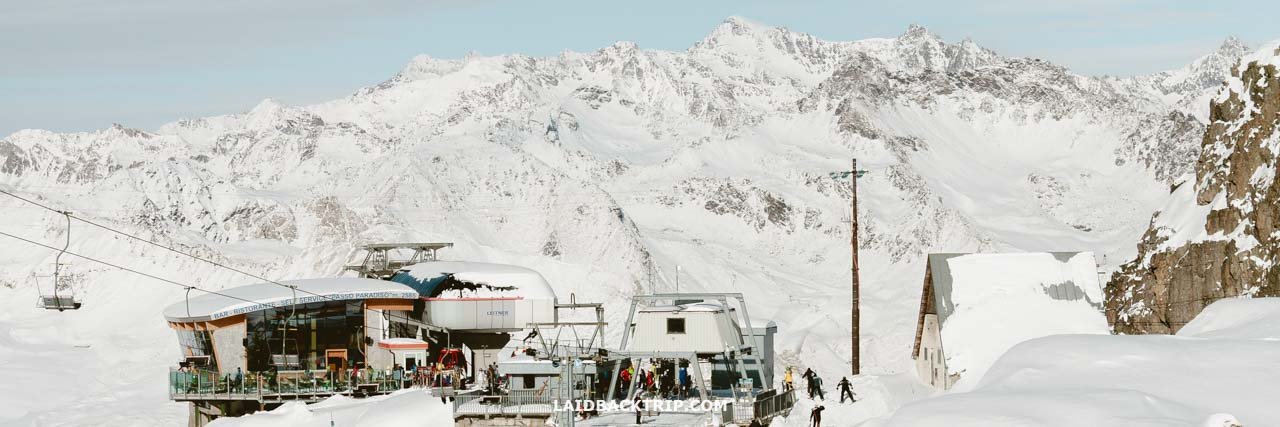
Winter (December-March) is generally quieter and can be a more affordable time to visit major cities, except for December when Christmas markets attract additional visitors. January and February are ideal for winter sports in the Alps, though we prefer skiing in March because the weather is often sunny and the slopes are usually less crowded.
Staying Safe
Italy is generally a very safe country to visit, and millions of tourists explore its cities and countryside every year. We've been there many times, and with some basic common sense and a little preparation, we always felt safe. Of course, every trip came with its own considerations. On our skiing trips, we paid attention to weather and mountain conditions, while in the cities, pickpockets were usually our main concern.
As in many popular destinations, it's important to stay aware of your surroundings, especially in crowded tourist areas, train stations, and on public transportation. Pickpocketing and bag snatching can occur in busy places such as Rome, Milan, Naples, and Venice, so we always made sure to keep our valuables secure.
When exploring cities, stay alert around major attractions and be cautious of unofficial guides, street scams, and people offering unsolicited help. On our last two trips to Rome and Milan, we came across a few shady areas and encountered common tourist scams such as the bracelet trick and shell games, but they were easy enough to avoid. We also spent quite a bit of time walking around both cities after dark and never really ran into any problems.
If you're driving, never leave valuables visible inside and pay attention to restricted traffic zones and parking regulations. I have to say that this was probably the most confusing part of driving in Italy for us. That said, we generally avoided driving in historic city centers whenever possible. Some rural roads can also be narrow and steep, so that's another thing worth keeping in mind.
Italian emergency services can be reached by calling 112, the European emergency number. It's also a good idea to have travel insurance and keep copies of important documents with you.
Rome: Things to Do & Trip Planning
The most famous and popular destination in Italy is, without any doubt, Rome. The Italian capital is really a destination in its own right, and you can easily spend a few days or even a full week there without running out of places to see or history to discover. We were in the latter group, and in our 1-week Rome itinerary, we shared everything we saw during our trip. And had it been possible, we would have happily spent another week there.
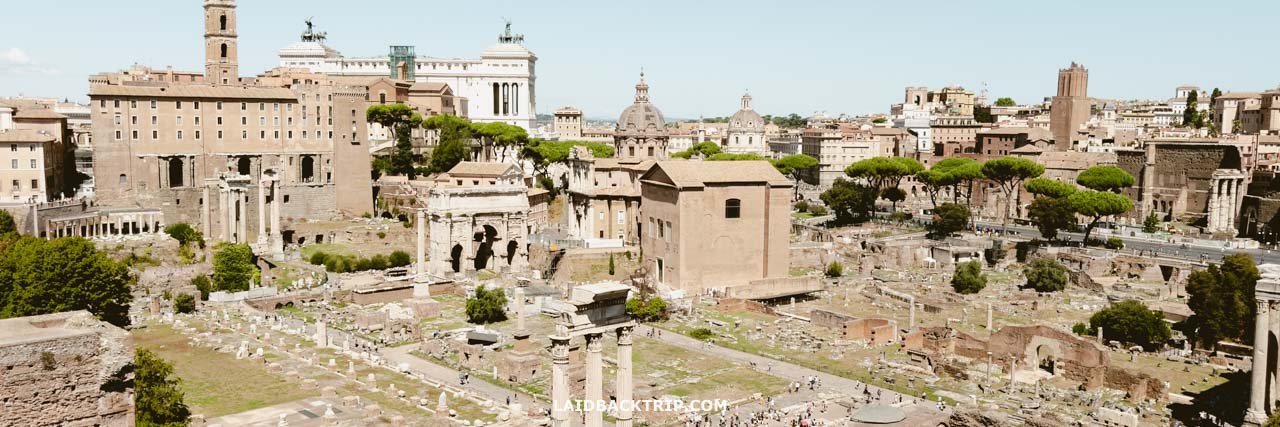
Often called the Eternal City, Rome has a history spanning more than 2,700 years and was once the center of the mighty Roman Empire. Today, it attracts millions of visitors from around the world, making it one of the most visited destinations on the planet. The city has a unique atmosphere where ancient monuments stand alongside modern life. It's an unforgettable destination for anyone interested in history, art, architecture, and great food. We simply loved Rome.
This was our first trip to Rome together with Lucie, and I have to say that everything went very smoothly, probably more smoothly than we expected. The accommodation was clean and comfortable, public transportation, whether bus or metro, was reliable and affordable, we felt very safe, the weather at the end of summer was warm but not too hot, the crowds were thinner, and even the major attractions came without long waiting times. The pasta was delicious, and the city was as beautiful as ever.
Colosseum & Roman Forum
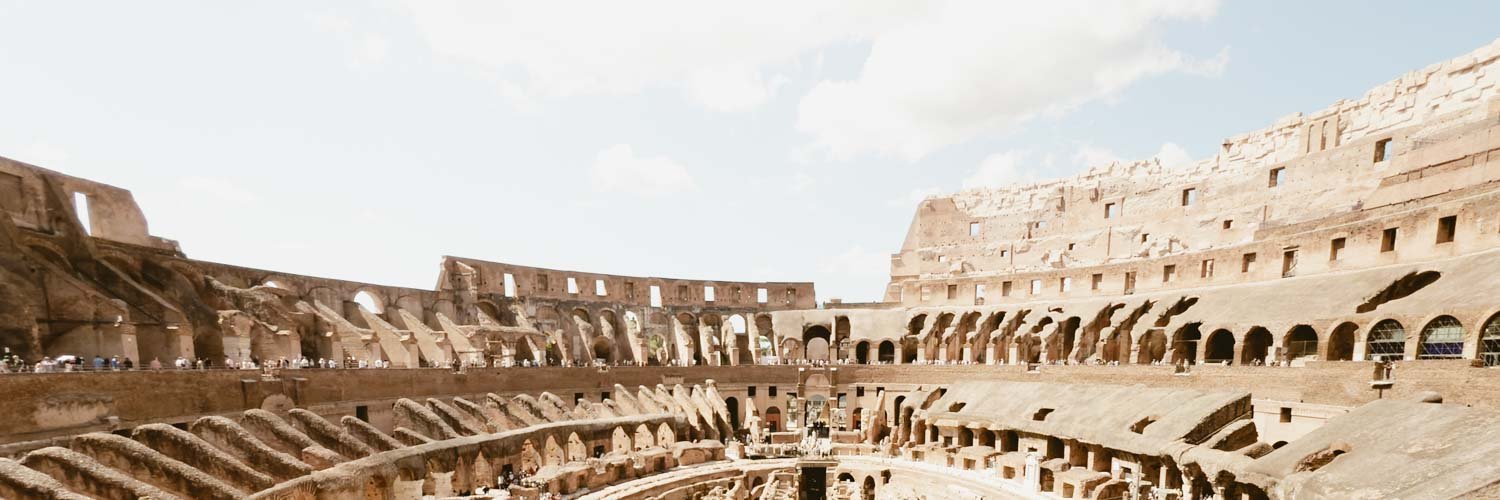
Rome's most famous landmark is the Colosseum, an impressive ancient amphitheater where gladiator battles once took place. It's not just a huge stadium but also one of the marvels of Roman engineering, and it's easy to see why it was included among the New 7 Wonders of the World. We explored the Colosseum on our own, and it was definitely one of the highlights of our trip.
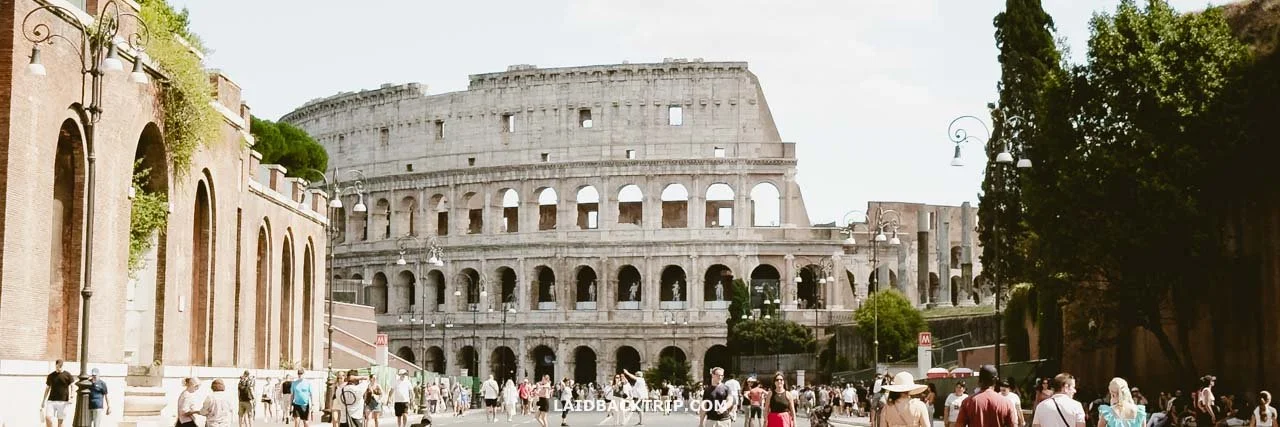
Right next to it sits the Roman Forum, another Rome must-see. This ancient complex, consisting of the Roman Forum, Palatine Hill, and the Imperial Forums, is full of Roman history and so vast that it took us several hours just to see its main highlights. Again, we explored Roman Forum on our own. We also bought the SUPER Sites ticket, which allowed us to visit several areas that are otherwise off-limits, including the House of Augustus, home of Rome's first emperor, and the Curia Julia, the meeting place of the Roman Senate.
Historic Sites
Rome is a city rich in history, with ancient ruins, historic churches, monuments, and archaeological sites scattered throughout its streets. Its remarkable architecture reflects centuries of Roman civilization, from the days of the Roman Empire to the Renaissance and Baroque periods.
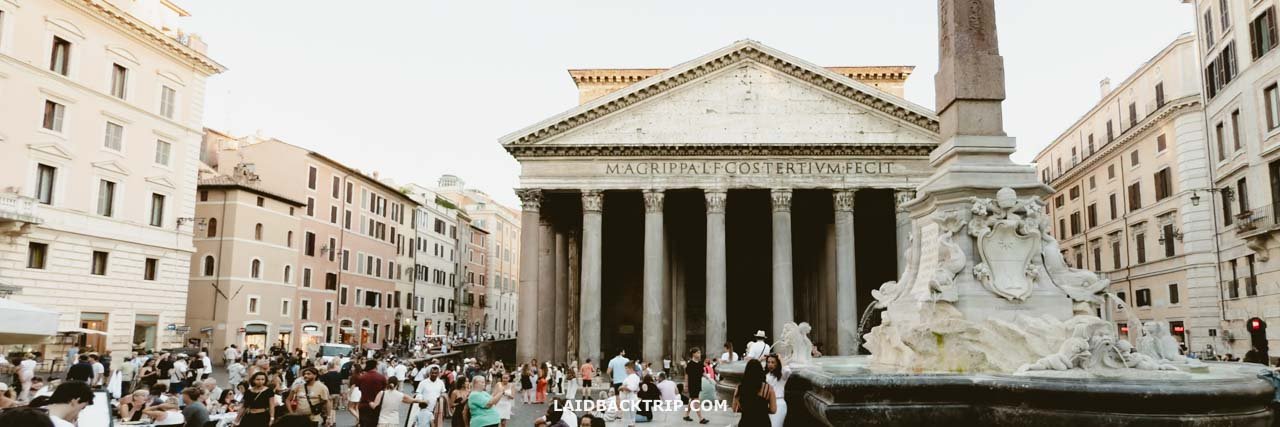
The Pantheon is one of Rome's best-preserved ancient monuments. It was originally built as a temple to the Roman gods and is famous for its enormous dome and central opening, which showcase the incredible engineering skills of the Romans.
Originally built as a mausoleum for Emperor Hadrian in the 2nd century, Castel Sant'Angelo was later transformed into a fortress and papal residence. While it's impressive from the outside, we found the interiors even more fascinating thanks to the unique combination of ancient Roman architecture and Renaissance palace rooms.
The Trevi Fountain is one of Rome's most famous landmarks, known for its magnificent Baroque architecture, beautiful sculptures, and the tradition of throwing a coin into the water to ensure your return to Rome. This was already my second visit to Rome, so I guess there must be something to it.
The Baths of Diocletian, once the largest bathing complex in ancient Rome, were later transformed into a basilica and Michelangelo's cloister. Besides the ruined bath halls and the beautiful cloister, there was also a pretty interesting museum inside the complex that was well worth a look.
The Baths of Caracalla are among the largest and most impressive ancient Roman public bath complexes we visited in Rome. Built in the third century CE, they featured swimming pools, gardens, libraries, and social spaces, offering a fascinating glimpse into everyday life in ancient Rome.
Located beneath Piazza Navona, the Stadium of Domitian was an ancient Roman sports arena built in the first century CE for athletic competitions. Its remains and small museum reveal the impressive scale of Roman architecture and offer a glimpse into ancient sporting life.
Trajan's Market is a remarkable ancient Roman complex dating back to the early second century CE. Built under Emperor Trajan, it featured shops, offices, and administrative spaces, giving us an idea of what commercial life was like in ancient Rome.
Art Museums
The Capitoline Museums, located on Capitoline Hill, are among the oldest public museums in the world. Their collections include ancient Roman sculptures, paintings, and archaeological artifacts that provide a fascinating look into the city's past. Some of the highlights of our visit to Capitoline Museums included the famous Capitoline Wolf and the equestrian statue of Marcus Aurelius. We spent several hours here and still felt like we could have stayed longer.
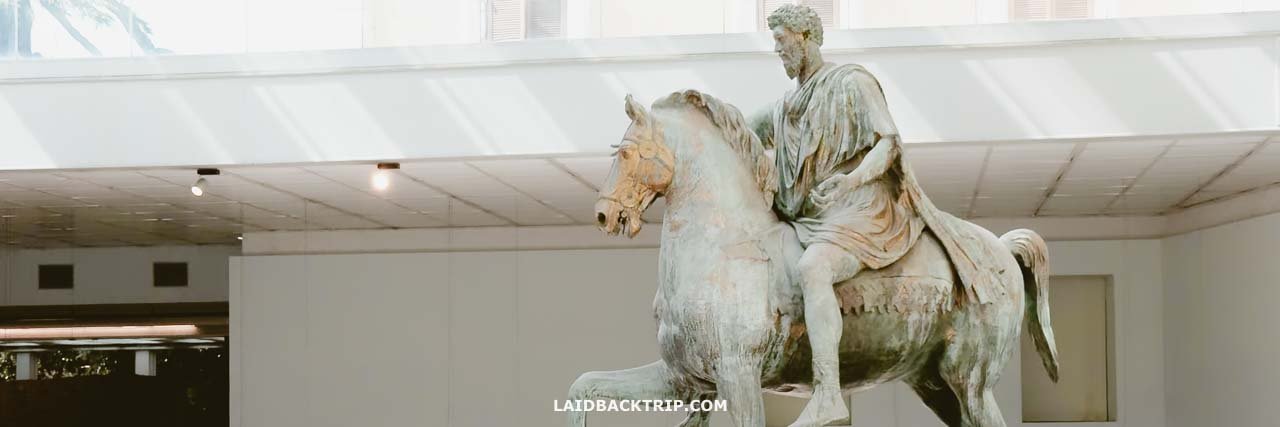
Palazzo Massimo alle Terme is one of Rome's most important archaeological museums, with collections including beautifully preserved frescoes, mosaics, and sculptures from ancient Rome. During our visit to Palazzo Massimo alle Terme, we loved the mosaics as well as the extraordinary frescoes from the Villa of Livia, which were easily among the highlights of the museum.
Palazzo Altemps is a historic Renaissance palace housing part of the National Roman Museum's impressive collection of ancient sculptures. Visitors can admire beautifully preserved Greek and Roman artworks while also appreciating the palace itself. We enjoyed exploring Palazzo Altemps and especially liked that it felt much quieter than some of Rome's more famous attractions.
The Borghese Gallery, located within the beautiful Villa Borghese gardens, is considered one of the best museums in Rome. On our visit, we admired Bernini's remarkable marble sculptures and Caravaggio's dramatic paintings while exploring the gallery's lavishly decorated rooms. If you're interested in art, make sure to book your tickets well in advance. We also put together this guide to the Borghese Gallery so you don't miss a thing during your visit.
Via Appia & Park of the Aqueducts
Via Appia and the Park of the Aqueducts are two fascinating places located outside Rome's historic center. Via Appia, also known as the Appian Way, is one of the oldest Roman roads, originally built in 312 BC. Today, visitors can walk or cycle along its ancient stones, surrounded by historic ruins, tombs, and peaceful countryside. We spent a whole day exploring Via Appia, and it was super interesting and absolutely worth it.
The nearby Park of the Aqueducts is a vast park featuring the impressive remains of ancient Roman aqueducts that once supplied water to the city. We actually visited the Park of the Aqueducts before heading to Via Appia and couldn't have picked a better spot for a morning walk. Both places offer a great opportunity to escape the busy city center and experience Rome's remarkable engineering and history from a different perspective.
Tivoli: Things to Do & How to Visit
Tivoli is a charming historic town located about 30 kilometers east of Rome, famous for its UNESCO sites, cobblestone streets, and beautiful scenery. Surrounded by rolling hills and picturesque valleys, it makes an ideal day trip from the Italian capital, which is exactly how we visited it ourselves. There are plenty of things to do in Tivoli, but besides wandering around the charming town center, we focused on the town's three main attractions.
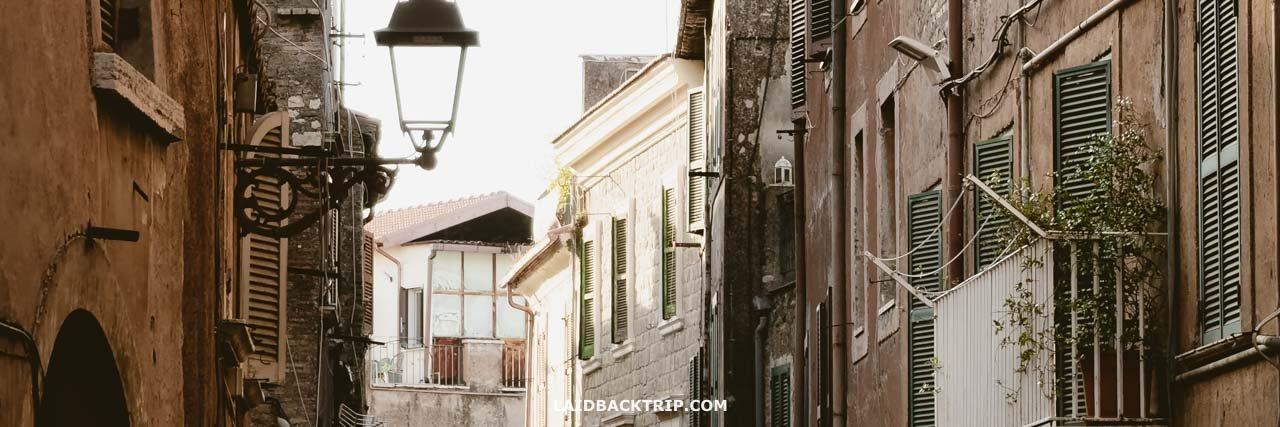
The first place we visited was Hadrian's Villa (Villa Adriana), an enormous archaeological complex built in the 2nd century CE as the country residence of Emperor Hadrian. We explored Hadrian's Villa on our own and spent several hours walking through the vast complex filled with ancient palaces, temples, baths, and pools that offer a glimpse into how Roman emperors once lived. Since the site is located just outside town, we took a bus from Hadrian's Villa to Tivoli.
Villa d'Este is another of Tivoli's most famous attractions. This UNESCO World Heritage Site, renowned for its spectacular Renaissance gardens, impressive fountains, waterfalls, and elegant architecture, was well worth seeing. Like Hadrian's Villa, we explored Villa d'Este independently and really enjoyed it.
Tivoli is also home to Villa Gregoriana, a beautiful natural park featuring dramatic waterfalls, caves, walking trails, and spectacular views of the surrounding landscape. We visited Villa Gregoriana at the end of the day when the park was almost empty, and it turned out to be one of the highlights of our trip to Tivoli. The park was gorgeous, as were its main attractions, including the impressive Great Waterfall and the Cave of the Sirens.
Vatican City: How to Visit & Must-Sees
Vatican City, located in the heart of Rome, is the smallest independent country in the world and the spiritual centre of the Roman Catholic Church. Despite its tiny size, it is home to remarkable historical, religious, and artistic treasures. We spent a full day in Vatican City, discovering its beautiful architecture, impressive monuments, and rich cultural heritage.
Our visit included a guided tour of the Vatican Museums and Sistine Chapel, followed by time to explore St. Peter’s Square and Basilica. It was an unforgettable experience, offering a unique opportunity to admire some of the world's greatest artistic masterpieces.
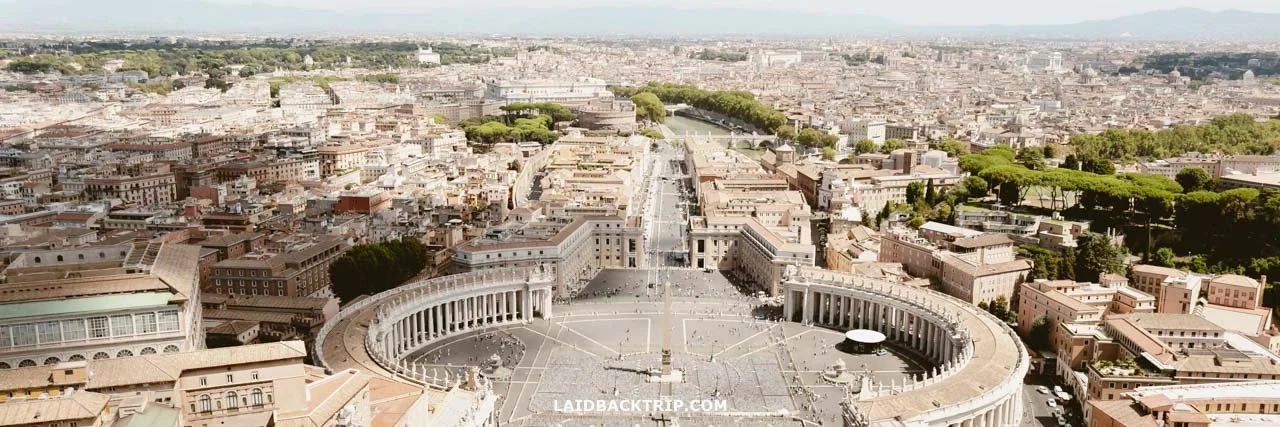
We started our day with a guided tour of the Vatican Museums & Sistine Chapel, exploring their extraordinary collections of sculptures, paintings, and historical artefacts. The highlight was the Sistine Chapel, where we admired Michelangelo's breathtaking ceiling and The Last Judgment.
After exploring the Vatican Museums and Sistine Chapel, we continued to St. Peter's Basilica, one of the world's most impressive churches. We admired its magnificent interior, enormous columns, beautiful mosaics, and Michelangelo's famous Pieta.
We then climbed to the top of St. Peter's Dome, one of the highlights of our day. Designed by Michelangelo, the dome offers spectacular panoramic views over Vatican City, St. Peter's Square, beautiful Vatican Gardens, and Rome stretching into the distance.