How to Visit Grjótagjá Cave
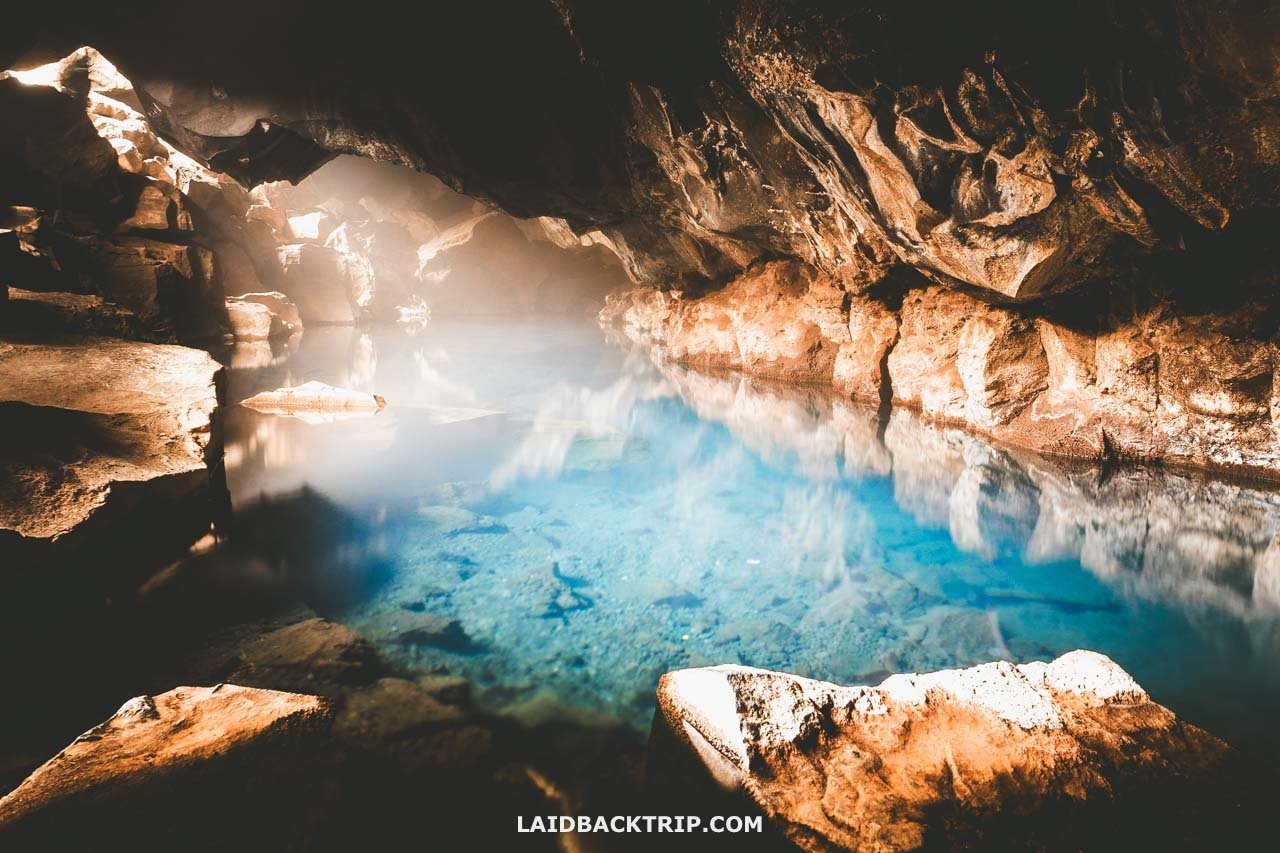
Grjótagjá cave is located near Mývatn Lake in North Iceland.
A lava cave, a hot spring, and a Game of Thrones filming location. All of that was packed into Grjótagjá, a tiny site we were about to explore!
The small lava cave of Grjótagjá was one of those stops on our Diamond Circle itinerary that we had a hard time figuring out whether it was worth visiting or not. We heard this little gem was supposed to be really interesting, but so were dozens of other places on our ever-growing list of must-sees when we arrived in North Iceland. Still, this one had a natural hot spring and was also used as a filming location in Game of Thrones.
We were pretty indifferent about the latter, but the former made us curious. From what we understood, this was one of those thermal springs that was no longer suitable for swimming, but since it was hidden inside a cave, it simply sounded too interesting to pass up.
So when we made our way back from the coast of North Iceland toward Lake Mývatn, we found ourselves just a few minutes' drive from the cave. And there was really only one way to find out the answer to our original question. So our next stop, Grjótagjá Cave, it was!
Getting to Grjótagjá
We traveled to Grjótagjá from Ásbyrgi Canyon, where we had spent the entire morning hiking, which meant that we first had to make our way back to Lake Mývatn. Nowadays, with the entire Road 862 paved, including the stretch leading to the western side of Dettifoss, this would be an 80-kilometer journey. But when we visited, it wasn't, so we traveled through Húsavík, where we had taken a whale-watching trip, making it a 120-kilometer drive instead.
Of course, that was only to Reykjahlíð, as Grjótagjá was still another 4.5 kilometers southeast of town. From Reykjahlíð, we followed the Ring Road east (the same direction from which we had arrived the day before after visiting Víti Crater and the Hverir Geothermal Area) and after about 2.5 kilometers turned right onto Road 860. We stayed on this road for almost another two kilometers until we spotted the Grjótagjá parking lot on our right. This section of Road 860 was fully paved, and only the parking lot itself was gravel.
That said, once we were done here, we continued to Hverfjall and simply followed Road 860 farther south. Before long, the road turned into a narrow gravel track. Despite our initial surprise, we were visiting in summer, so driving it was perfectly fine even in our small 2WD campervan. I can imagine that tackling the same stretch in winter, with snow and icy conditions, would be quite a bit more challenging.
Grjótagjá Is Free to Explore
The parking lot was unpaved and relatively small, but since we arrived when the site wasn't busy, we found a spot without any issues. Parking at Grjótagjá was free, and so was entry to the cave. I know it's just a small detail, but for us, being able to visit all these little sites for free really helped keep our budget under control. We'd already visited places with fees, such as Seljalandsfoss and Kvernufoss, so hopefully this one stays free in the future as well.
Visiting Grjótagjá
From the parking lot, Grjótagjá was just a few meters away, so it was impossible to miss. Despite being really small, the cave had two entrances, which were basically just narrow openings in the rock. We started with the one on the left simply because we saw another couple entering through the other one and figured this entrance would be less crowded.
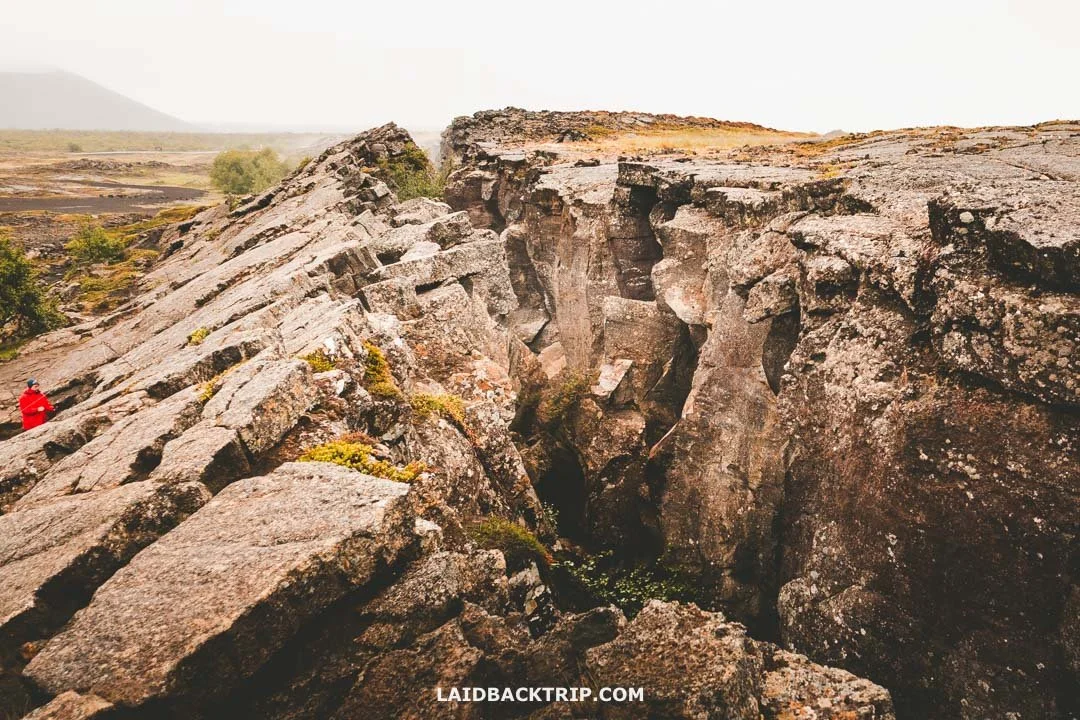
The entrance to Grjótagjá was nothing more than a small opening in a massive lava rock (look at the person on the left).
Getting into the cave involved a fairly narrow passage and a very short climb down over lava rocks. While getting into the cave wasn't difficult or particularly dangerous, accessing, it isn't suitable for visitors with mobility issues.
World Nomads provides travel insurance for travelers to cover their trip essentials, including sports and adventure activities.
SafetyWing is affordable travel insurance for backpackers, long-term travelers, and digital nomads.
We had heard that if you happen to visit on a busy day, you might need to wait to get inside because the cave is so small. Luckily, we visited on a quiet day and there were no crowds. There were still a few people around, so it wasn't like we had Grjótagjá entirely to ourselves, but I have a feeling we couldn't have timed our visit any better. We didn't have to wait at all and could walk right in. The cave really was tiny, and each entrance area could only hold a handful of people at a time.
The really neat thing about Grjótagjá was that the water was really that blue, even though we visited on a cloudy, rainy day. With the less than ideal weather, I wasn't sure whether the cave would be worth the detour, but those doubts quickly disappeared. What was interesting was that depending on where I stood, the water shifted between deep blue, bright turquoise (reminding me of Brúarfoss), olive gray, and murky gray.
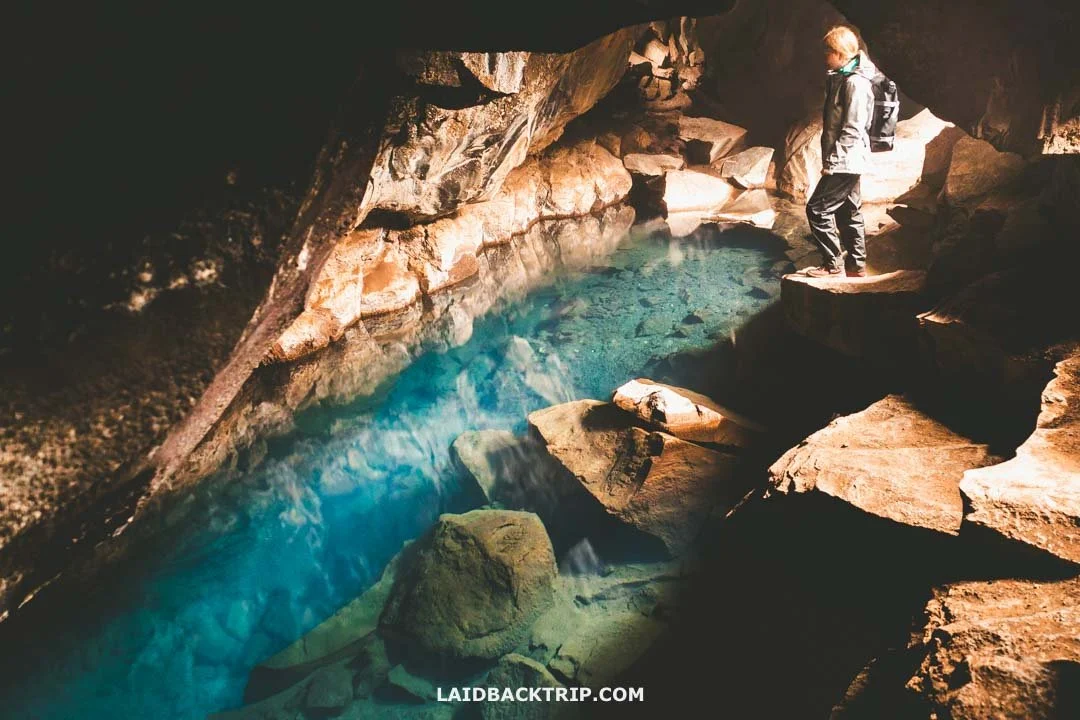
Lucie standing in Grjótagjá, showing just how small the cave really is.
We visited Grjótagjá in summer on a cold, windy day, so it was nice to find shelter, even if only temporarily, inside the cave. It was slightly warmer inside, but not enough to make us take off any layers (like our trusty down jackets), so the difference wasn't as dramatic as we expected.
I guess the weather "beyond the Wall" was much harsher than just outside the cave, so this little hideout probably worked much better for Jon Snow and Ygritte during their romantic scene in Game of Thrones (Season 3, episode Kissed by Fire). Yes, this is the main reason why it became so famous overnight.
I was taking photos with my little mirrorless camera and was worried that the steam and humidity would fog up the lens, but it wasn't nearly as bad as I expected and I was even able to take a few long exposure shots. Obviously, Lucie had a much easier time with her phone. While the water was hot and steam rose from the surface, the view was surprisingly clear considering we were standing in such a confined space. The water itself was crystal clear, but I still used a circular polarizer filter to get the best results.
Swimming Is Not Allowed at Grjótagjá
While Grjótagjá has a thermal spring, swimming there is no longer allowed. From the info panel at the trailhead, we learned that it used to be a popular bathing spot until the volcanic eruptions between 1975 and 1984 caused the water temperature to rise to 60 °C (still way lower than at Geysir). Over the decades, the temperature has slowly decreased and now ranges between 43 and 46 °C. Even after all those years, it's still too hot for swimming.
Standing inside the cave, bundled up against the cold weather outside, I could only imagine how incredible Grjótagjá must have been for a swim before the events of the 1970s. The experience must have been unreal.
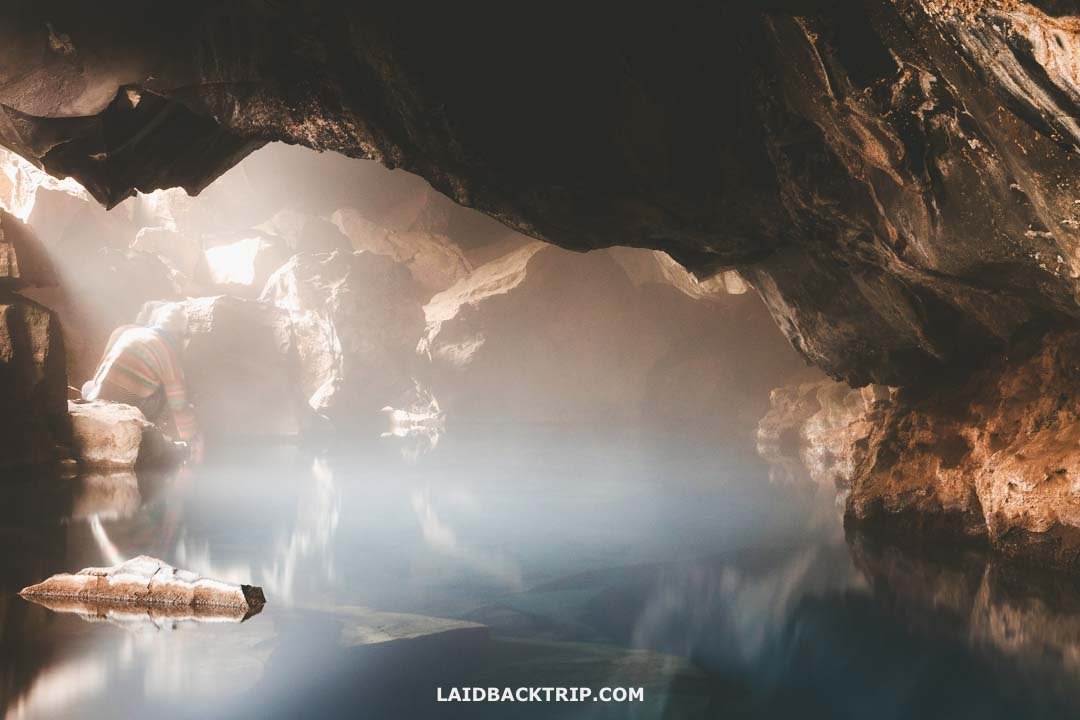
Even to the touch, the hot spring in Grjótagjá was still really warm.
We visited several natural hot springs in the Eastfjords, the Westfjords, and Reykjadalur Valley, but all of them, while amazing, were out in the open. A few years earlier, we also went cave swimming in Mexican cenotes, but those had normal water temperatures and were located in a tropical climate, making them a completely different experience.
On the other hand, I was also somewhat glad that swimming is no longer possible here because the cave is tiny and wouldn't be able to handle the number of visitors it gets each day, at least not without heavy restrictions (we could see what happened without them at Fjaðrárgljúfur Canyon).
Besides taking in the views and snapping a few photos, there really wasn't much else to do at Grjótagjá. So once we'd had our fill of both, we climbed back out and headed to the other entrance, which simply offered a different view of the same cave. After a short while, we left again and took a quick look around the surrounding area.
From there, we followed the short path leading above the rock fissure that hides the cave. We could see steam escaping through one of the cracks in the lava but not the hot spring itself. The fissure looked pretty cool and reminded us of the formations we saw later that day at Dimmuborgir, as well as the tectonic rifts at Þingvellir.
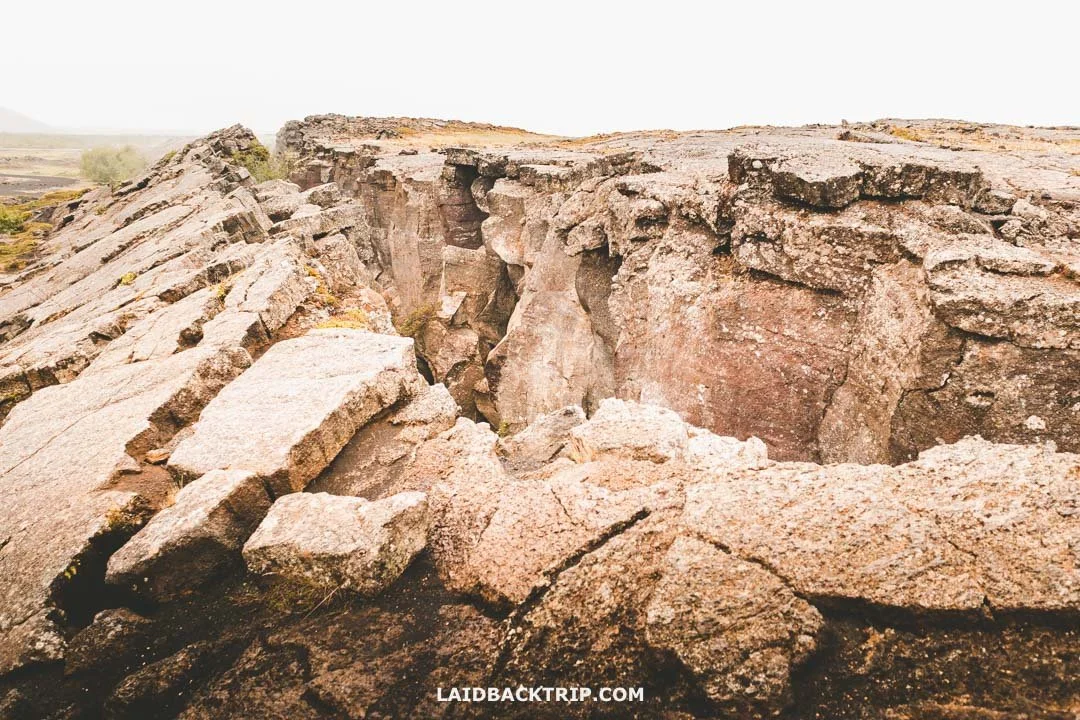
The fissure in the lava rock above Grjótagjá, which was almost as interesting to us as the cave hidden beneath it.
Because we were so close to Lake Mývatn, this area is often known for its mosquitoes, but luckily there weren't any during our visit, so we could leave the bug spray in the campervan.
How Much Time to Spend at Grjótagjá
Since the cave was basically right next to the parking lot, it took us only a few seconds to reach the entrance. Once inside, there really wasn't much room for anything besides enjoying the view and carefully maneuvering along the lava rocks. And as I already mentioned, we also went to see the rock fissure, which was only a stone's throw from the cave. Had we been in a hurry, we could have seen everything in less than five minutes, but because it was so quiet here, we ended up spending more than 20 minutes at Grjótagjá.
As I said, afterward we headed to Hverfjall, hiked through Dimmuborgir, and then finally soaked in the Mývatn Baths, which was simply an incredible experience. It was basically a more affordable version of the famous Blue Lagoon. Once we were done there, we started looking for a campground to spend the night. Reykjahlíð was the obvious choice thanks to its campground and hotels like Fosshotel Mývatn, but in the end we decided to drive to Laugar and stay at CJA Campground, which also offered guesthouse accommodation, simply to be closer to Goðafoss.
Is Grjótagjá Worth Seeing?
After coming here without knowing much about what to expect, we really enjoyed Grjótagjá. The small cave, hidden hot spring, and water that was as blue as it could possibly be made for a surprisingly memorable stop. It was one of the smaller sites that didn't take long to explore, and while it wasn't located directly on the Ring Road, the detour was only a matter of a few minutes.
I can imagine that if either of us had been a die-hard GoT fan, we'd have wanted to visit Grjótagjá regardless. But since we simply just watched the show, it was more of a fun little detail than a major reason to come. All in all, Grjótagjá was one of those stops that simply worked well with our itinerary. I wouldn't exactly call it a must-see because it's really only a quick visit, but it was definitely one of the places we remembered long after leaving North Iceland.
Travel Resources
Here you can find links to all the travel resources we use and which you might find helpful when planning your next holiday.
Accommodation: When looking for accommodation, we usually search hotels via Booking.com or Hostelworld.
Tours: Although we love to travel independently, some places are better to visit with a guided tour.
We prefer GetYourGuide for its easy-to-use interface and solid reputation. Another great alternative is Viator.
Rental Cars: When going on a road trip, we always use Rentalcars.com, a reliable site for booking a rental car in advance.
Flight Tickets: When looking for flight tickets, you can search Skyscanner to find the best price.
Travel Insurance: World Nomads and SafetyWing cover against risks of travel.
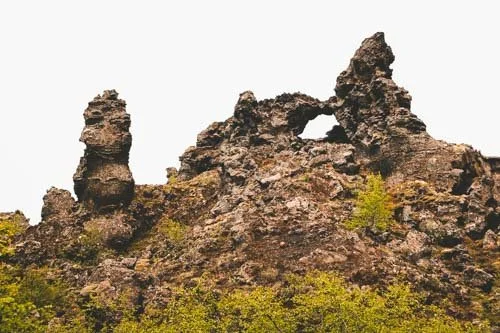
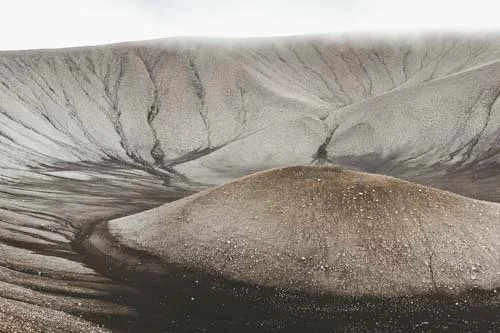
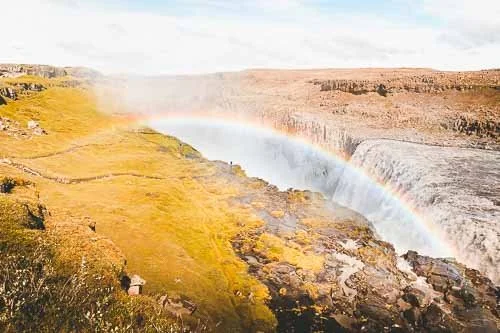
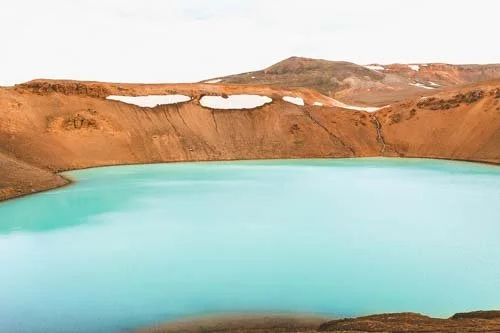
Our travel guide to Grjótagjá Cave covers everything you need to know before visiting this famous lava cave in North Iceland, including how to get there, parking information, what to expect inside, why it became so popular, and the best times to visit.