
Iceland Travel Guide
Things to Do & Planning Tips & Itinerary
Iceland: Know Before You Go
Situated in the North Atlantic Ocean between North America and Europe, Iceland is an island nation known for its dramatic landscapes and raw natural beauty. Because of its remote location, it feels very isolated, yet it's surprisingly easy to reach thanks to Keflavik International Airport (KEF), the country's main international gateway. Most visitors arrive by plane, though some also reach Iceland by ferry from mainland Europe or on overseas cruises.
Iceland is best known for its volcanoes, glaciers, waterfalls, geothermal hot springs, black-sand beaches, and incredible landscapes that often feel like they're from another planet. It's also one of the best places in the world to see the Northern Lights during winter.
The official currency is the Icelandic krona (ISK), and while Iceland isn't a member of the European Union, it is part of the Schengen Area. The population is around 400,000, making it one of Europe's least populated countries despite covering more than 103,000 square kilometers.
The official language is Icelandic, but English is spoken fluently almost everywhere, making Iceland one of the easiest countries to visit without knowing any local phrases. We learned "Halló" (hello) and "Takk" (thank you) before the trip. Iceland uses Greenwich Mean Time (GMT) year-round and doesn't observe daylight saving time. Electrical outlets are type C and F, the standard European two-pin sockets, with a voltage of 230V.
Practical Information
Before the trip, we knew only the basics about Iceland, but it turned out to be one of those destinations that required surprisingly little planning. Everything was about as straightforward as it could have been. To help you get started, we've put together the essentials for visiting Iceland so you can better understand the Land of Fire and Ice and make the most of your trip.
When to Visit Iceland
The best time to visit Iceland depends on the experiences you're looking for, as each season offers something different. Summer (June to August) is the most popular period, with milder temperatures and long daylight hours thanks to the famous midnight sun. It's the ideal time for a Ring Road road trip, hiking, whale watching, puffin watching, waterfall hunting, and exploring the Highlands. The downside is larger crowds and higher prices for accommodations and rental cars.
We visited Iceland at the turn of June and July, and for a first trip, it was pretty much perfect. We really enjoyed the unlimited daylight, as it allowed us to stay on the road longer, fit more into each day, and occasionally escape the crowds.
We were also lucky with the weather for most of the trip, but I have to emphasize that Icelandic weather is unpredictable regardless of the season. Because of that, it's crucial to know what to pack for Iceland so you're prepared for whatever conditions the island decides to throw at you.
Spring (April to May) brings longer days, greener landscapes, and fewer tourists. It's a great time to explore Iceland's most popular attractions without the peak-season crowds. Autumn (September to October) is another excellent choice, offering beautiful fall colors, cooler temperatures, and the chance to see the Northern Lights as the nights gradually become darker.
Winter (November to March) is perfect for seeing the Northern Lights, exploring ice caves, admiring snow-covered landscapes, and joining glacier adventures. However, daylight is very limited, roads can be icy, and some remote routes may close due to weather conditions. If we ever return to Iceland, it would probably be during this time of year, as seeing the Northern Lights remains high on our bucket list.
Suggested Itineraries
Planning our itinerary was easy and challenging at the same time. The easy part was that there was basically the Ring Road, the main route around the island, which includes many of Iceland's highlights and is ideal for a first visit. The difficult part was that there was simply so much to see and do that we quickly ended up with a much longer list of places we wanted to visit than we could possibly fit into the two weeks we had available.
For the itinerary itself, it helped to break the trip down into simple steps. In our case, each step was one of Iceland's regions. Once we did that, planning the route became surprisingly straightforward. It was really as simple as that.
Most travelers spend 7 days in Iceland driving the iconic Ring Road. It's an incredible road trip, but based on our own experience, we'd say it's definitely worth spending more time there. Having extra days allowed us to explore places beyond the main route that circles the island. We eventually spent 2 weeks in Iceland and having that extra time was absolutely worth it.
This is the exact route we followed. We started in Reykjavik (after arriving at the airport in nearby Keflavik) and spent the first week exploring the Golden Circle, with its waterfalls, geysers, tectonic plates, and historic sites. From there, we continued along the South Coast, famous for its waterfalls, glaciers, beaches, and cliffs, before heading through the Eastfjords with their dramatic fjords, mountain passes, and puffin colonies. We then arrived in North Iceland, where we enjoyed whale watching, geothermal areas, waterfalls, and beautiful coastal scenery.
During the second week, we headed from North Iceland to the Westfjords, one of the most off-the-beaten-path regions in the country, known for its fjords, fishing villages, sea cliffs, and puffins. We then continued to West Iceland to explore Snaefellsnes, waterfalls, and volcanic landscapes before finishing on the Reykjanes Peninsula, home to dramatic coastal scenery and the famous Blue Lagoon. Finally, we returned to Reykjavik to explore the capital.
Regardless of your itinerary, it's always a good idea to allow extra time for weather, unexpected stops, and changing road conditions. The Westfjords are best visited during the summer months when access is easier, although the same can be said for most parts of Iceland. I'd also like to point out that we were able to see so much because of the midnight sun. The nearly endless daylight allowed us to stay on the road well into the evening and, on more than one occasion, even after midnight.
How to Get Around the Country
Iceland is the epitome of a road trip destination, so it's not surprising that one of the most popular ways to get around the country is by car or campervan. In our case, we rented a campervan in Iceland, and it worked really well for us. It gave us a lot of flexibility, and camping in Iceland was both relatively affordable and fun. Obviously, renting a car and staying in accommodations along the way would have been more comfortable, but also more expensive.
Driving in Iceland was incredibly easy. The entire Ring Road was fully paved, the main roads were in good condition, and everyone drove very considerately. We traveled in summer, so there was no snow or ice on the roads, which meant a 2WD vehicle was all we really needed. In winter, however, a 4WD is definitely recommended.
We also spent a fair amount of time driving on gravel roads, most of which were in surprisingly good condition, although that can change quickly depending on the weather. Interestingly, some of the gravel roads we drove have since been paved, making the driving experience even easier than before. It's also worth mentioning that our rental contract didn't allow us to drive into Iceland's Highlands, where a proper 4x4 vehicle is usually required.
Iceland has only two toll roads, while the rest of the road network, including the famous Ring Road (Route 1), is free to use. Electronic tolls apply to the Vadlaheidargong Tunnel and the Hornafjordur Ring Road Toll. There are no traditional toll booths, so payment must be made online either before travel or within the allowed payment period afterward. We actually bypassed both sections using the old roads, which were more scenic anyway.
The country's main international gateway, Keflavik International Airport, is located about 50 kilometers southwest of Reykjavik, and like most visitors, this is where we arrived and departed from. Getting from Keflavik Airport to Reykjavik was very easy, as we took one of the frequent shuttle buses operating on this route.
Public transportation does exist in Iceland, and buses, although often running only a few times a day, connect many destinations around the country. That said, we found this option too time-consuming and limiting, as many of the places we wanted to visit weren't easily accessible by bus.
Another popular alternative is to explore Iceland on a tour, whether that's a multi-day trip around the island or a series of day trips based out of Reykjavik. We also saw a handful of people cycling the Ring Road. Considering the strong winds and frequent rain, though, it looked significantly more challenging than cycling in most other destinations, both physically and mentally.
Accommodation & Camping
Accommodation in Iceland ranges from hotels and guesthouses to countryside cottages, hostels, and campgrounds. One of the first things we had to figure out was whether we wanted to stay in hotels or campgrounds, as that decision was closely connected to how we planned to travel around the country.
We decided to rent a campervan, which meant we'd stay in campgrounds for most of the trip. The only exceptions were our first night in Keflavik (before picking up the campervan), when we stayed in a hotel. We also kept a list of hotels we could book along the way just in case something went wrong on the road, which fortunately never happened.
Reykjavik offers the widest choice of accommodations, while larger towns and tourist hubs along the Ring Road provide convenient places to stay outside the capital. Whether it was Vik i Myrdal, Egilsstadir, or Akureyri, there was usually a selection of hotels, guesthouses, campgrounds, and everything in between.
Between the larger towns, you'll mostly find countryside cottages, farm stays, and guesthouses, though every now and then we also came across larger hotels, usually located near some of Iceland's most popular natural attractions.
Accommodation prices are generally high, especially during summer, so booking well in advance is highly recommended. Always check the cancellation policy, as Icelandic weather can sometimes force changes to your plans. Campgrounds generally can't be booked in advance, but from our experience, that wasn't a problem, and we always managed to find a spot. If you're planning to camp, make sure to check seasonal opening dates.
I'd like to add that camping in Iceland was both fun and affordable, though we have to admit that we visited in summer and the weather was mostly on our side. It might have been a completely different experience in colder or rainier conditions.
We planned our overnight stops around our itinerary because we were doing a road trip and never intended to return to the same base each night. That strategy really only works if you're staying in Reykjavik. Basing yourself in the capital and taking day trips is still a perfectly viable option, especially if you have less time in Iceland.
Currency, ATMs & Payments Methods
Iceland's official currency is the Icelandic krona (ISK). Credit and debit cards, particularly Visa and Mastercard, are widely accepted in hotels, restaurants, shops, campgrounds, and even remote areas.
From our experience, Iceland is essentially a cashless society. During our entire trip, we paid for everything by card, whether it was luggage storage at Reykjavik's bus station, parking at Thingvellir, camping near Myvatn, groceries on the South Coast, or fuel at a self-service gas station somewhere in the Eastfjords. Cash is rarely needed. In fact, the only time we needed it was at a campground in Vik, where we had to use coins to operate the showers.
ATMs are available in the airport, Reykjavik, larger towns and villages, and limited in rural areas. When paying by card, choose to pay in ISK to avoid unfavorable conversion rates. Contactless payments such as Apple Pay and Google Pay, are commonly used. Tipping is not expected in Iceland.
We'd also like to emphasize that Iceland was one of the most expensive countries we've ever visited. We traveled around Iceland on a budget and managed to save quite a bit of money by camping, cooking our own meals, and exploring the island independently. If you're planning a trip, check out our guide on how much we've spent in Iceland to get a rough idea of how much you might need to budget for your own visit.
Staying Safe
Iceland is one of the safest countries to visit, with very low crime rates. In this regard, we felt very safe throughout the trip. However, the biggest risks come from nature. The weather can change suddenly, so we checked forecasts and road conditions every day before traveling. Another thing we checked daily was seismic activity, as there had been several magnitude 5-6 earthquakes in northern Iceland shortly before we arrived.
When exploring waterfalls, glacier areas, cliffs, and volcanic landscapes, we always followed warning signs and stayed on the designated paths and behind safety barriers. It's also important to keep a safe distance from the ocean, as sneaker waves can be dangerous. When driving, we encountered some strong winds, gravel roads, and, because we were there in summer, luckily, no icy conditions. In an emergency, call 112.
South Iceland
Reykjavik is the capital city of Iceland and offers the best selection of hotels, restaurants, and services. There are plenty of things to do in Reykjavik, so it's an ideal place to start or end your Iceland trip. If you decide to base yourself in the capital city for the entire length of your trip, then you should check out our guide on best trips from Reykjavik.
Reykjanes Peninsula is home to Keflavik International Airport, so it's actually the first place in Iceland most travelers visit. Surprisingly, Reykjanes Peninsula is still a bit under the radar of international visitors. One of the most iconic places in Iceland, Blue Lagoon is a perfect stop anytime on your trip, but especially before your flight home.
The South Coast is one of the most incredible places not just in Iceland, but on the entire planet. And it's not just us who think so. This is one of Iceland's most beautiful regions, attracting visitors from all over the world. We spent three days exploring the South Coast, and despite the crowds, the spectacular scenery made every moment worthwhile.
Seljalandsfoss Waterfall is the epitome of Iceland's natural attractions. It's absolutely stunning and easily accessible. The fact that you can walk behind the waterfall is just icing on the cake. The moon-like scenery and the mystery behind the crash make Solheimasandur Plane Wreck one of Iceland's most unusual attractions. It's a hike from the parking but well worth the effort.
A classic stop on Ring Road, Skogafoss is one of the most impressive waterfalls in Iceland. The Waterfall Way that starts from Skogafoss is a popular trail that features more waterfalls along the way. The nearby Kvernufoss Waterfall is not as famous as Skogafoss, it's less-visited, and you can walk behind it.
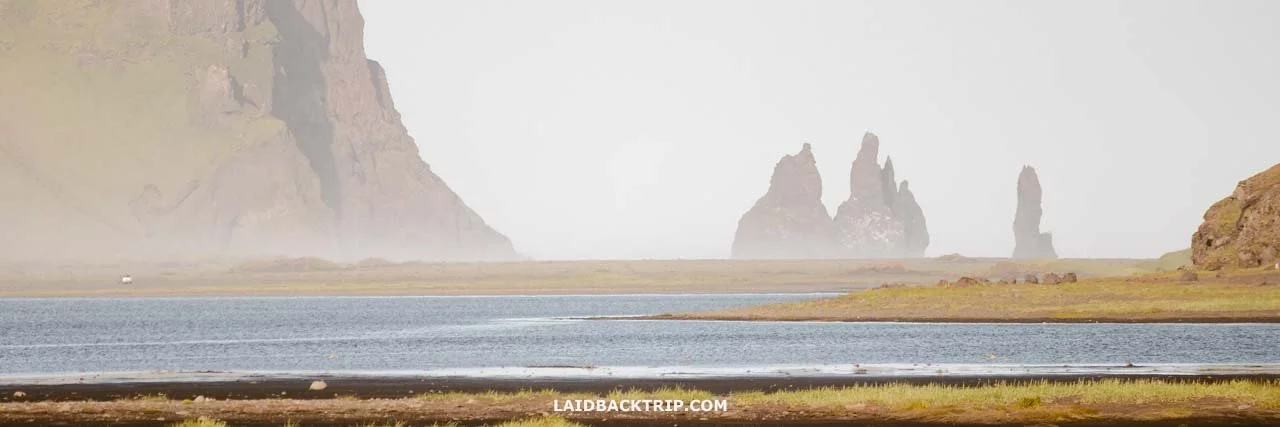
If you want to see puffins, cliffs, black sand beaches, a sea arch, or a lighthouse, there isn't a better place to go on South Coast than Dyrholaey Peninsula. If there's one black sand beach you should see in Iceland, it would be Reynisfjara. It has basalt columns, cave, and sea stacks. Just be aware of dangerous sneaker waves.
For an easy walk, stop at the Eldhraun Lava Field. It's one of the largest lave fields in the world and is covered by a thick layer of moss. Fjadrargljufur Canyon is not only a stunning place to visit but also a fine example of how fragile the relationship between tourism and nature is.
Skaftafell is one of the best and most accessible places to explore the famous Vatnajokull National Park on foot. If you want to explore Vatnajokull National Park even closer, Jokulsarlon Glacier Lagoon should be on your list. Whether you take a boat tour, ice trekking tour, or admire the views from the shore, you won't be disappointed. Don't forget to visit nearby Diamond Beach while there. And if you want to escape the crowds, then visit the nearby Fjallsarlon Glacier Lagoon.
Golden Circle
Unlike some other parts of Iceland, planning a Golden Circle itinerary is fairly straightforward. This scenic route is packed with incredible sights and serves as a perfect introduction to the country.
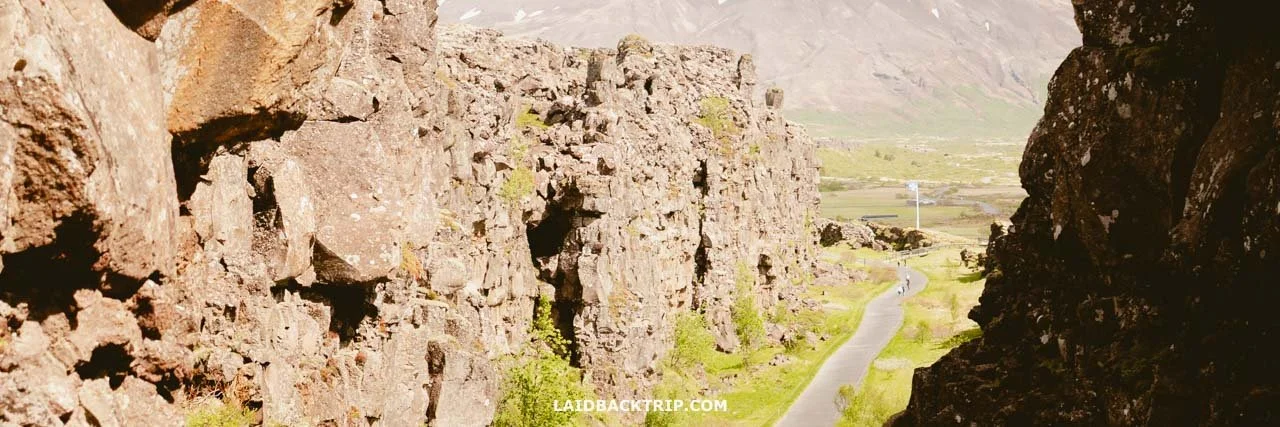
Thingvellir National Park is home to the world's oldest parliament and one of the few places in the world where you can walk or even swim between tectonic plates.
As we wanted to do at least one shorter hike on the first day, Bruarfoss Waterfall was an obvious choice. It has three waterfalls, and the Bruara River has incredibly blue water.
Geysir Geothermal Area is one of those places that it's hard not to love. It has an active geyser called Storkkur, hot springs, and a geothermal field. Moreover, the site is well accessible just off the main road. Gullfoss Waterfall is one of the most stunning places in Iceland that will leave you in awe.
One of the best ways to end your day in this area is to take a dip in Reykjadalur Hot Springs. As you need to hike there for an hour, it's a well-deserved reward.
East Iceland
The dramatic scenery of East Iceland is absolutely breathtaking. Start planning your trip with our East Fjords itinerary that will introduce this area.
Once you reach Egilsstadir, you have few choices to make. We decided to visit the picturesque Seydisfjordur featuring traditional architecture and surrounded by snow-capped mountains. On the way down to the village, you'll pass the lesser-known Gufufoss Waterfal, which is well worth a quick stop. If you're looking for a relatively easy yet rewarding hike, Hengifoss and Litlanesfoss are an obvious choice when in Egilsstadir.
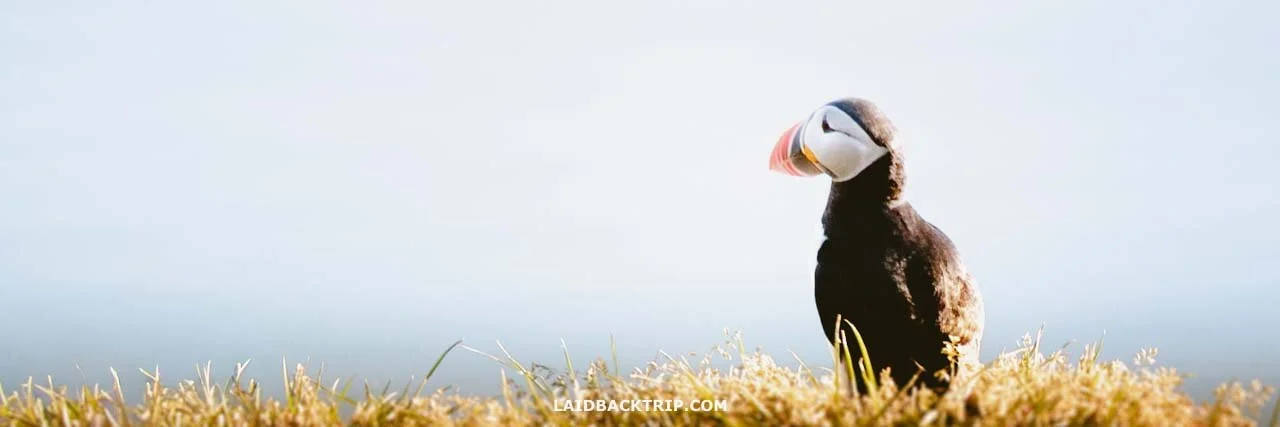
Lastly, we wanted to see the famous puffin colony. It takes time to get to Borgarfjordur Eystri and back. When we tell you that this is one of the best places to see puffins in Iceland, we believe the journey will go much quicker. Iceland is a paradise for bird watchers, though the timing is essential to see them. Here's the list of the best places to see puffins in Iceland.
North Iceland
Iceland is full of surprises, and North Iceland was definitely one of them. The region is amazing and instantly became one of our favorite places in the country. To make your life easier, a scenic drive called Diamond Circle connects many top attractions in this region. Our Diamond Circle itinerary will help you plan your trip better.
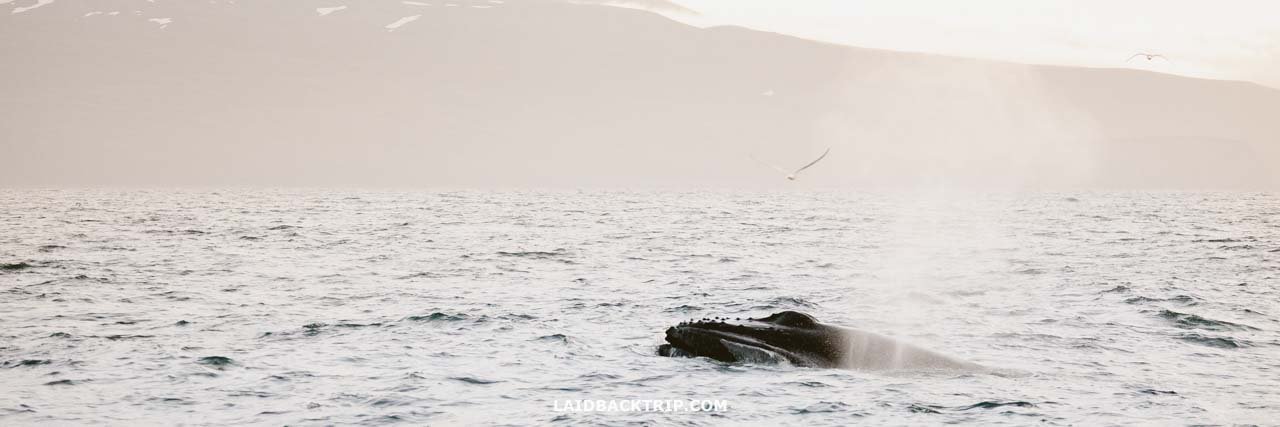
The most powerful waterfall in Iceland, Dettifoss, is a must-visit place while visiting this region. Don't forget to visit also nearby Selfoss. Husavik is often considered the best place to take a whale watching tour in Iceland. And we have to agree that seeing these gentle giants in their natural habitat was an incredible experience. Asbyrgi Canyon is quite often overlooked, but we enjoyed this area even despite bad weather and rain.
Except for the characteristic smell of hydrogen sulfide, Hverir Geothermal Area features boiling mud pools, fumaroles, and colorful ground. If you have some energy left, don't forget to include the Namafjall hike in your itinerary. Nearby Viti Crater in the Krafla area has an easy trail that offers a glimpse into the power of Iceland's volcanic landscape.
There are plenty of things to see and do in Lake Myvatn, so make sure you have a day or two for this area. One of the reasons why this area is so popular is Myvatn Nature Baths, artificial hot springs rich in silica, where you can easily spend several hours.
Besides the lake itself and the nature baths, there were a few more things to see. We climbed Hverfjall Crater to take in the views of Lake Myvatn from above, the lava fields, and the dramatic volcanic landscape. Nearby, Dimmuborgir was another fascinating place to explore, with its unusual lava formations and eerie, otherworldly landscape. We also visited Grjotagja Cave, a small lava cave known for its striking blue geothermal water and dramatic rock formations.
Halfway between Lake Myvatn and Akureyri is Godafoss, also known as Waterfall of the Gods. The largest town in North Iceland is Akureyri, where you can find accommodations and restaurants, a shopping mall, a modern-looking church, a ski resort, a botanical garden, and a stunning fjord.
Iceland has many peninsulas that feature scenic drives. Despite having one of the most dramatic sceneries, Trollaskagi Peninsula is one of the less-traveled places in the country. It also has Hofsos Infinity Pool, a lovely outdoor swimming pool with incredible views. Places such as Kolugljufur Canyon are the reason why Iceland is so popular. No matter where you go, you will find a hidden gem.
Westfjords
Westfjords are one of the most remote regions in Iceland and a perfect place to escape the crowds. For better orientation, make sure to read our guide on Westfjords and Itinerary first.
You can explore plenty of small villages and settlements along the way. Isafjordur is the largest town in Westfjords and a perfect place to stock up on food, admire the traditional architecture, or find a hotel.
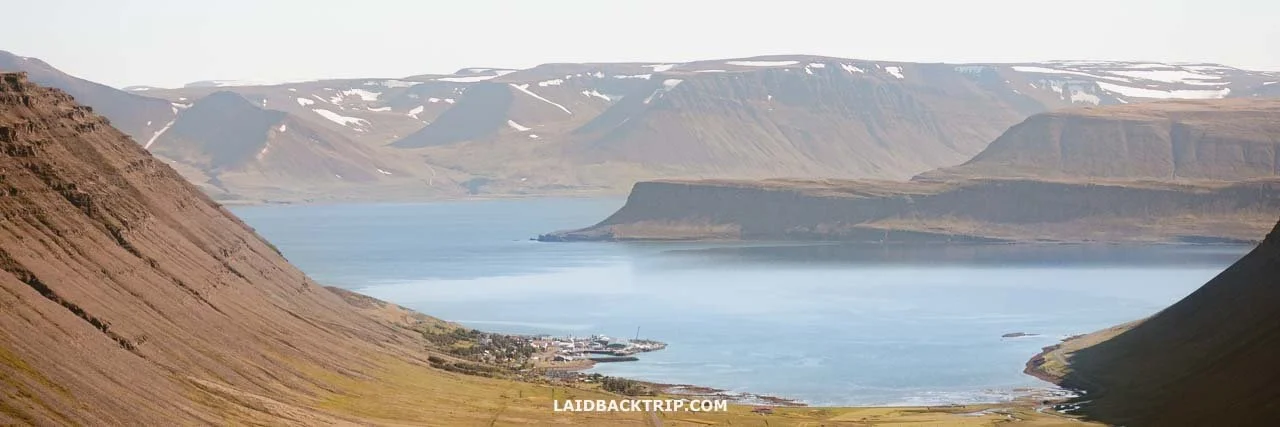
The most famous attraction in the Westfjords is arguably Dynjandi Waterfall. It's a series of smaller waterfalls and a place that never fails to stun every visitor. Latrabjarg Cliffs are not only the westernmost point of Iceland but also an incredible place to visit. It has puffins, plenty of other sea bird species, and one of the most impressive cliffs we've ever seen.
West Iceland
Although West Iceland might feel slightly overlooked, it features one of the most incredible areas in the country, the Snaefellsnes Peninsula. And if you've decided to travel the Ring Road clockwise, the chances are that this area will be the first area you visit in the Land of Ice and Fire.
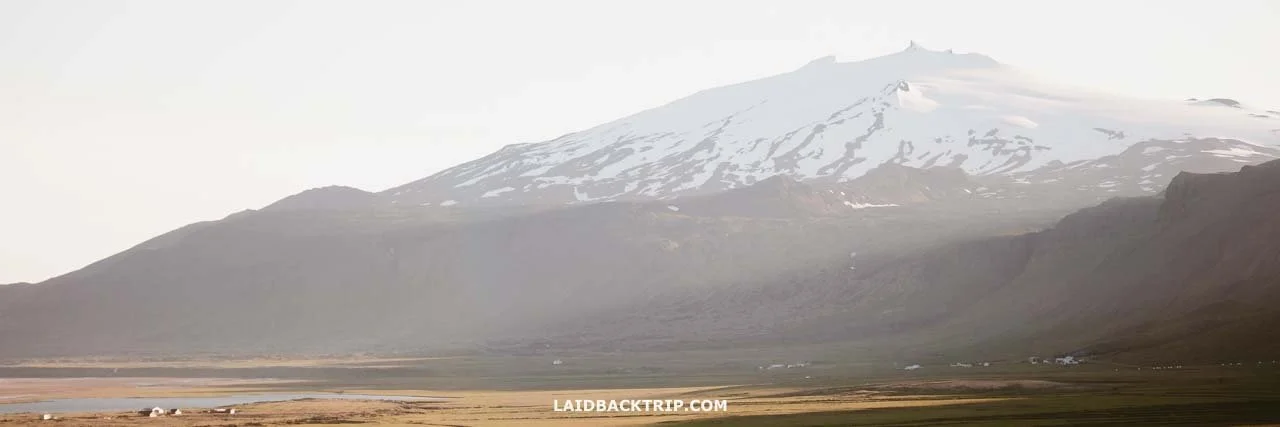
The peninsula features Snaefellsjokull National Park, stunning beaches, cliffs, mountains, scenic roads, and even traditional fishing towns like Stykkisholmur. One of the main shining stars on Snaefellsness is Kirkjufell Mountain & Kirkjufellsfoss. The mountain and the waterfall create together one of the most iconic places in Iceland that attract crowds from all over the world.
Glymur Waterfall is one of the best hikes in Iceland that features views of one of the highest waterfalls in the country. On top of this, Hraunfossar & Barnafoss are two waterfalls that will again remind you how incredibly diverse Iceland truly is.
We knew that Iceland was a land of waterfalls, but we were still surprised by how stunning they were in reality. We've rounded our favorite waterfalls in Iceland to help you figure out which ones are worth visiting.